


Satyajit Ray’s films still resonate as timeless classics
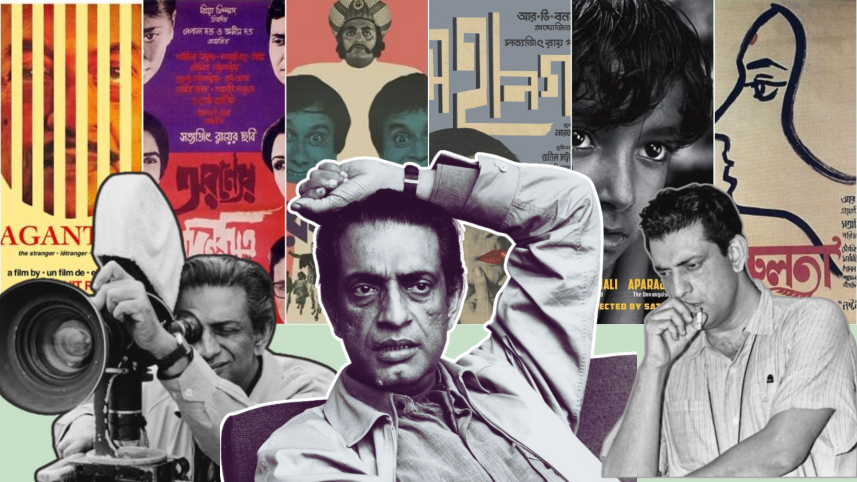
One of the greatest cultural figures of the subcontinent, Satyajit Ray, continues to inspire generations through his work in cinema, literature, and art. Marking his 105th birth anniversary today (May 2), film enthusiasts are revisiting some of his most important films.
Satyajit Ray began his journey in filmmaking with “Pather Panchali”, which went on to gain international acclaim. Over the years, he created a remarkable body of work that reflects human emotions, social realities, and philosophical depth.
Here is a list of films that offer a deeper understanding of his cinematic vision:
The Apu Trilogy
“The Apu Trilogy”, consisting of “Pather Panchali”, “Aparajito”, and “Apur Sansar”, created a major impact on world cinema in the 1950s. The first film follows Apu’s childhood in a rural setting. The second shows his journey into adolescence. The final film presents his adult life and personal struggles.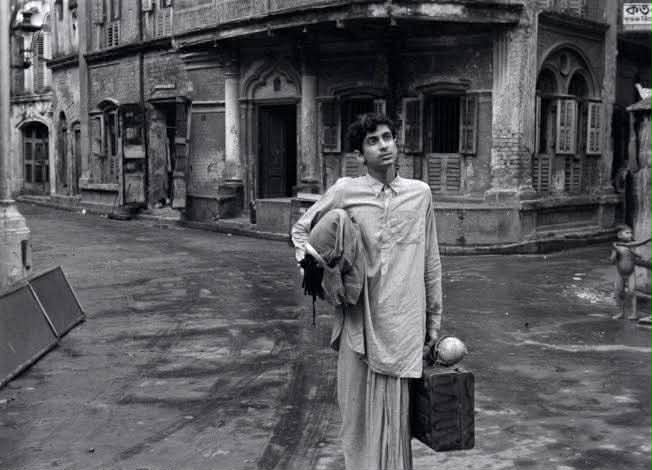
Mahanagar
“Mahanagar” was released in 1963, based on a story by Narendranath Mitra.The film explores the changing lives of the Bengali middle class during urbanisation. It highlights social pressures and the shifting roles within a family.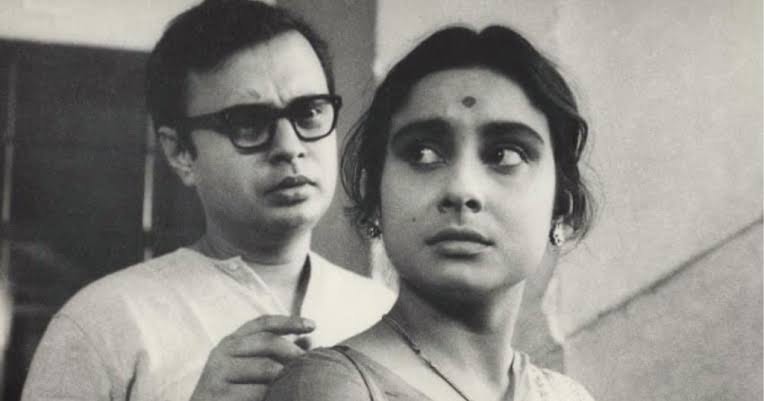
Charulata
Based on “Nastanirh” by Rabindranath Tagore, “Charulata” portrays the emotional world of a lonely woman.The film reflects her inner life and quiet rebellion within a restrictive social structure.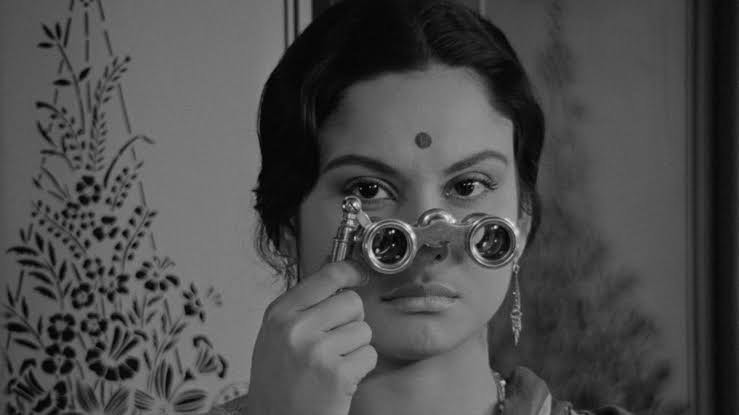
Aranyer Din Ratri
“Aranyer Din Ratri” is based on a novel by Sunil Gangopadhyay. It follows four young men who leave the city for a forest retreat. The story explores their self-discovery and confrontation with their inner selves.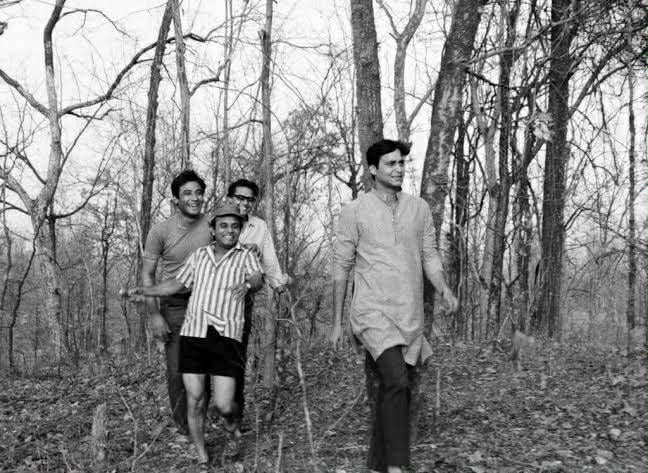
Hirak Rajar Deshe
“Hirak Rajar Deshe” is a political satire. The characters are symbolic, reflecting authoritarian rule and social inequality. The revolutionary figure, Udayan Pandit, stands against the king’s oppressive system.

Agantuk
“Agantuk” is Satyajit Ray’s final film. Based on his short story, it tells the story of Manomohan Mitra, a traveller who has explored the world. The film raises questions about civilisation, identity, and the idea of a ‘civilised’ life.
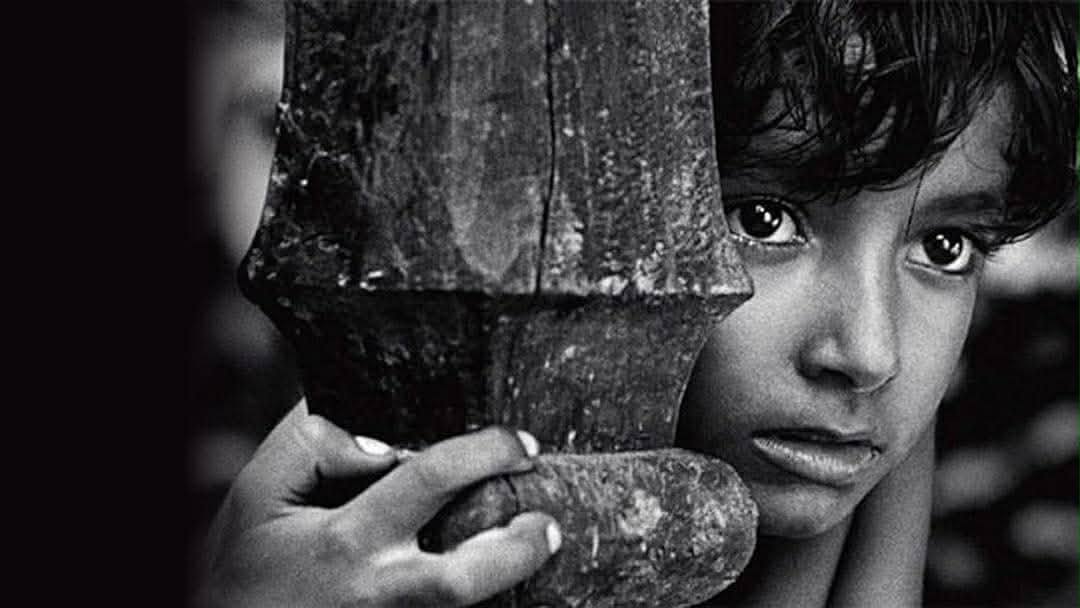
These films not only define Satyajit Ray’s legacy but also offer timeless insights into human life and society.

 For all latest news, follow The Daily Star's Google News channel.
Comments