


Actors voice concern over shrinking opportunities in TV industry
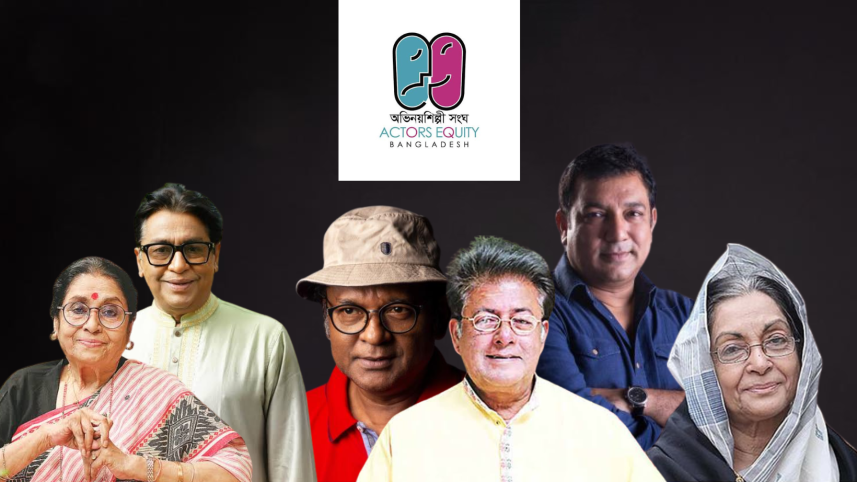
Actors have expressed concern over the future of Bangladesh’s entertainment industry, warning that declining local productions on television, the growing presence of dubbed foreign serials and a lack of policy support are shrinking employment opportunities for performers and other creative professionals.
The concerns were raised on Tuesday during the annual general meeting of Actors’ Equity Bangladesh at the Bangladesh Shilpakala Academy in the capital.

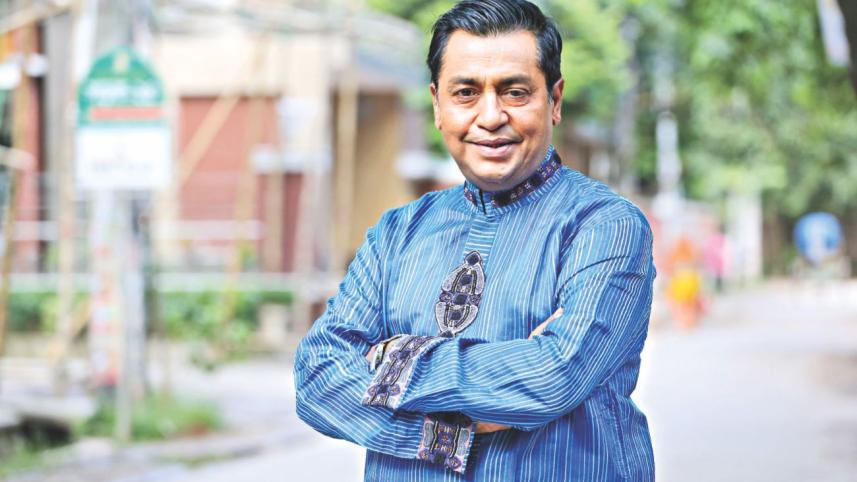
Actor Shahiduzzaman Selim criticised the increasing broadcast of dubbed foreign television serials, arguing that the practice has significantly reduced the scope for locally produced content.
“Television channels are purchasing foreign serials at low cost, dubbing them into Bangla and airing them. As a result, the work opportunities for actors and directors are shrinking,” he said.
Selim noted that there was previously a policy restricting the broadcast of dubbed foreign serials during prime time and urged authorities to enforce it more strictly.
“If that policy is implemented properly, it will create more opportunities for local actors and producers,” he added.
Calling for greater government support for the creative sector, Selim said many actors and filmmakers are struggling financially.
“There are many artistes and filmmakers living in difficult conditions. The industry needs state patronage. The government is willing to support culture, but it needs to know where intervention is necessary,” he said.
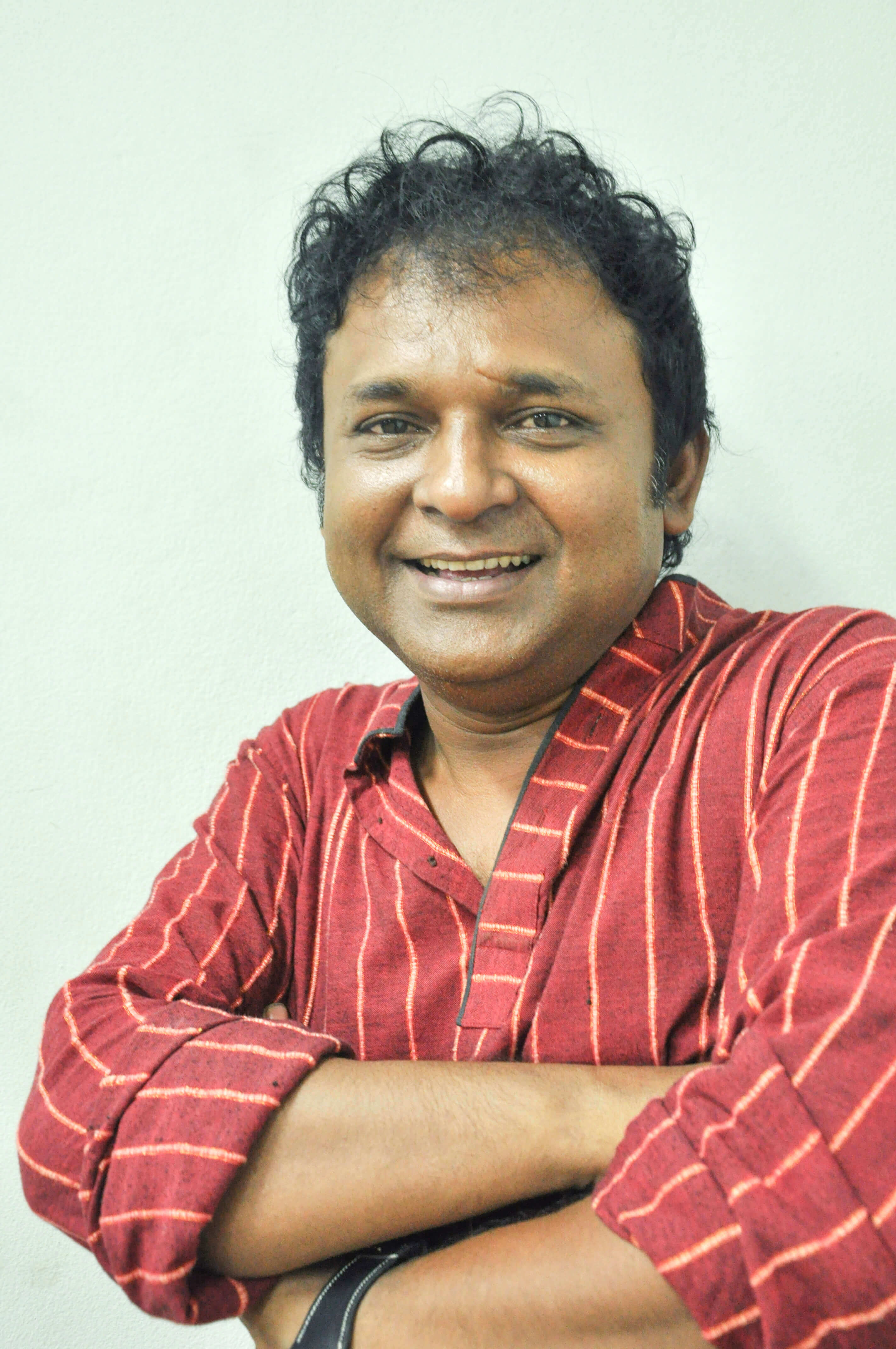
Actor and filmmaker Tauquir Ahmed also expressed concern over the industry’s future, saying the rapid increase in television channels has not translated into more opportunities for artistes.

“There are more television channels than the country actually needs, but most have become driven primarily by news and commercial interests,” he said. “The importance of drama, cinema and cultural programming has declined. As a result, opportunities for actors working in television, film and theatre continue to diminish.”
He urged policymakers to engage with industry stakeholders and address the issue before the situation worsens.
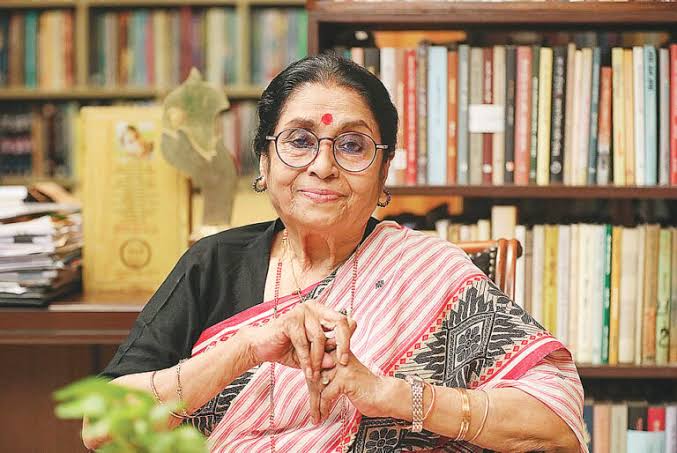
Actors’ Equity Bangladesh president Azad Abul Kalam said performers continue to lack formal recognition as professionals and called on fellow artistes to support one another.
“As actors, we still do not have proper state recognition. That is painful and reflects the state’s neglect,” he said. “Making a living solely through acting has become increasingly difficult. Many artistes are facing severe financial hardship.”
He urged established performers to support colleagues by creating work opportunities rather than offering only financial assistance.
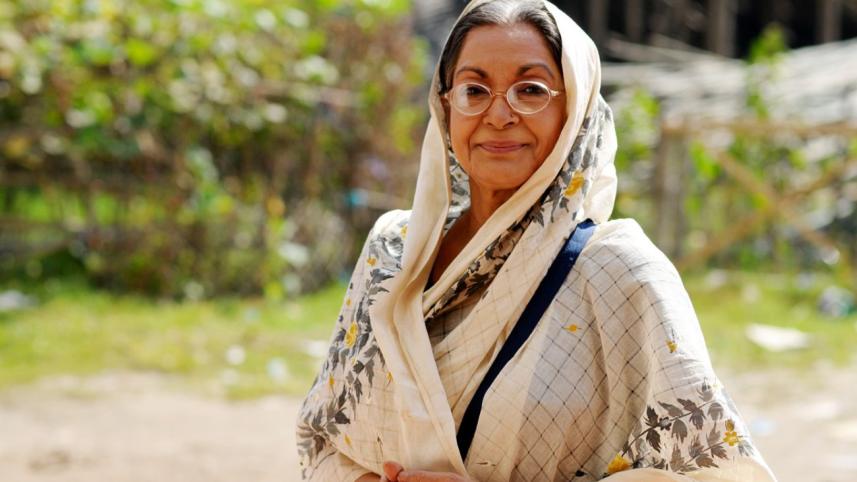
Veteran actors Mamunur Rashid, Dilara Zaman and Ferdousi Mazumder, among others, also took part in the discussion.
Participants agreed that stronger state support, cultural policies and wider institutional patronage are essential to protect Bangladesh’s performing arts sector and ensure a sustainable future for artistes.
 For all latest news, follow The Daily Star's Google News channel.
Comments