


The knife seller
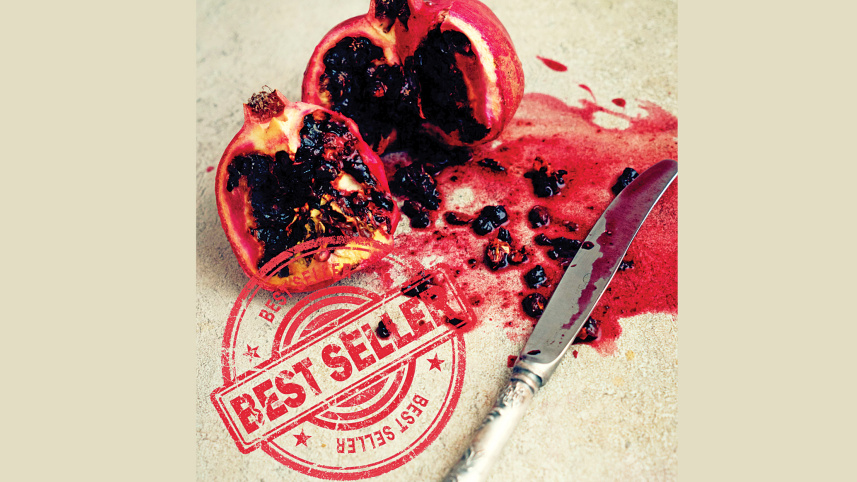
People call me the Knife Seller.
I cannot recall when the name came to be. Neither did I ever correct anyone. I preferred it that way. It makes my job easier.

I trade fairly. One body, one knife.
These are not kitchen things. They will not slice onions or cakes or anything that keeps a household running. When held, they hum—low, intimate, unmistakable. A frequency that settles into the bones. When it begins, you are bound to follow. The knife does not rush. Chase it long enough and you arrive.
The first body was already dead when it came to me. Brutally killed, violated, wronged. The kind of death that makes your skin crawl. They did not want to bury the girl—as if even touching her was a sin. I do not believe in heaven or hell. This world was already a hell for her. I brought her body to my backyard and buried it in the dead of night.
By dawn, the soil had cracked open. Something silver stood upright there, shining. I did not understand it. I still don’t. I only understood that the ground had answered something the world had ignored.
A narrow stretch of land behind my house where nothing ever grows. Crops do not matter to it; corpses do. Rage, innocence, injustice do.
The manner of death matters. Ordinary corpses rot. Wronged ones leave instructions.
I followed a few knives in the beginning. The first knife led me to a bus on a cold winter night. There were only three of us. If anybody witnessed it, they would say I slit the driver’s and his helper’s throats open. But I did not.
Yet, word spread - whispers, only to those already desperate enough to listen.
People arrive at night. Some drag. Some carry. Some bring what they once loved. Some bring what they made. They never ask what I am. They ask what I sell.
And they always ask the same question before they leave: “Will this knife do the job?”
I don’t answer. The knife will lead you to the job. What you do when you arrive is between you and whatever you believe in. After that, the knife disappears. Sometimes it finds its way back to me. Sometimes it doesn’t. I have learned not to question.
My field is fertile now. It bears blades instead of fruit. Crops of corpses. I tend to it carefully. Neglect brings consequences.
Sometimes I wonder what would grow if I buried myself there.
Maria Anis Chowdhury is a graduate of Mass Communication and Journalism from the University of Dhaka. She has been working in the Communication Division of BRAC Bank for the past two years.
 For all latest news, follow The Daily Star's Google News channel.
Comments