


UAE warns of recruitment restriction if countries don’t take citizens back
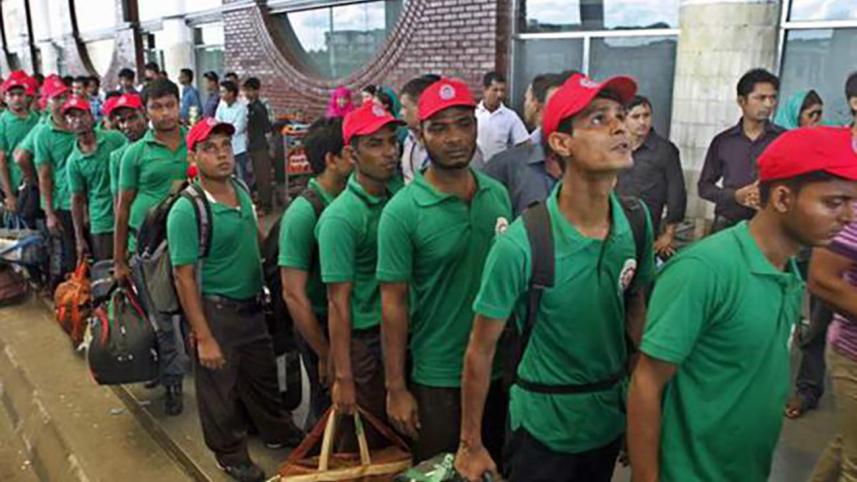
The United Arab Emirates has warned migrant-sending countries, including Bangladesh, of imposing strict future restrictions on recruitment if they refuse to take back their citizens amid the coronavirus pandemic.
Nearly 90 percent of 10 million population of the Gulf nation are expatriates, mostly from India, Pakistan, Bangladesh, Sri Lanka, Nepal, Philippines, Egypt and Iran. The number of Bangladeshis in UAE is around 700,000.

In a statement on Tuesday, the UAE embassy in Dhaka said their Ministry of Human Resources and Emiratisation is considering several options to restructure its cooperation and labour relations with countries refusing to receive their nationals working in the UAE private sector.
The private sector employs a majority of the migrants, officials concerned said.
The options include imposing strict future restrictions on the recruitment of workers from these countries and activating the "quota" system in recruitment operations.
The options also include suspending memorandum of understanding (MoU) signed between the ministry and concerned authorities in these countries.
UAE had been recruiting Bangladeshis mainly for domestic services until the Covid-19 pandemic began, but there have been talks for opening up the labour market for all sectors.
The labour market was restricted for Bangladeshis since late 2012 for reasons that were never clarified officially, but some officials said it was mainly because of some criminal activities and also to make a balance among various nationalities.
The embassy's statement said the country was considering these options of restrictions after "many countries" refused to receive their citizens wishing to go back home either because the citizens are taking early leave or because their services have been terminated in light of the current circumstances.
UAE said all countries should be responsible for their nationals wishing to return as part of the humanitarian initiative launched recently by the ministry in coordination with other relevant authorities.
Mohamed Thani Murshid Al-Rumaithi, president of the Federation of Chambers of Commerce and Industry of the UAE, has stressed that the federation will reconsider its relations with countries that refuse to receive their nationals who have taken leaves and want to return to their countries, the statement said.
Asked about UAE's warning, a foreign ministry official of Bangladesh said the government was not informed of any such decision.
He said Middle Eastern countries, including the UAE, regularly detain some migrants for their undocumented status and then deport them.
"Now, with all flights suspending their operations, the number of such migrants has gone up. Therefore, they want them to return home," he told The Daily Star, without giving the number of such migrants.
On April 9, an inter-ministerial meeting decided to bring back some of the migrants – either those who were pardoned their jail terms, awaiting deportation or the undocumented ones wishing to return home amid the pandemic — after the lockdown is over.
The meeting was convened at the foreign ministry after some countries — Maldives, Kuwait, Qatar, Bahrain — requested the labour-sending countries to repatriate their nationals. Kuwait had also warned of reconsidering future labour recruitment policy for the countries that do not take back the migrants.
Asked about the government decision on repatriating migrants once the shutdown is over, the foreign ministry official said Dhaka may consider repatriating some workers even before the shutdown ends for the sake of better labour relations with the recruiting foreign countries.
 For all latest news, follow The Daily Star's Google News channel.


Comments