


Tongi factory fire: HRW concerned over ‘poor inspections’
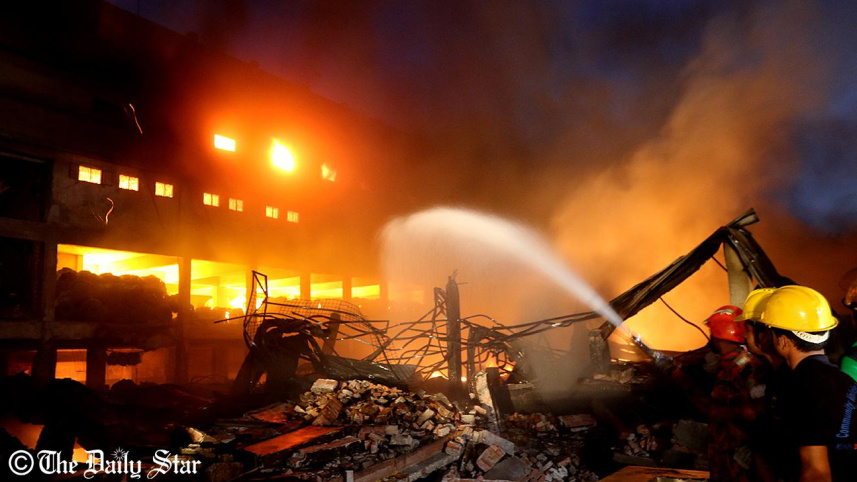
Human Rights Watch has expressed concerns over "poor inspections" of the Tampaco Foils Limited that caught fire by explosions in Tongi of Gazipur, on the outskirts of Dhaka, leaving 34 people dead.
The historic Bangladesh Fire and Building Safety Accord, signed by global unions and international apparel brands, created a new inspection system for fire and building safety with a degree of transparency previously unknown in the industry and another initiative, the Alliance for Bangladesh Worker Safety, was led mostly by American brands, the New York-based rights organisation mentioned in a report.

"These initiatives were an acknowledgment not just of the Bangladesh government's failure, but also serious gaps in the due diligence of multinationals, which often rely on third party auditing," the report said quoting Aruna Kashyap, senior counsel of HRW's women's rights division.
The 2013 Rana Plaza building collapse, which killed more than 1,100 garment workers and injured 2,000 more, finally forced the Bangladesh government, international clothing brands, and Western governments to take some concrete action on worker safety, it said.
"But Rana Plaza was not enough of a wake-up call. Even today, many international brands have not signed up to the Accord or the Alliance. So workers in the many factories not part of such initiatives rely on the Bangladeshi labor inspectorate and third party auditors to sound the alarm over dangerous working conditions," it added.
Following the Tampaco fire, a spokesperson for Nestle wrote to Human Rights Watch saying that a third party auditor visited Tampaco factory in 2011 and that "[a]ll of the findings relating to health and safety were rectified by the time of a follow up inspection in December 2012." British American Tobacco did not respond to Human Rights Watch's specific questions about when and by whom they had the factory last inspected.
It will take strong resolve from the government and multinational companies to make Bangladesh's factories safer. But Tampaco once again forces everyone concerned to confront the elephant in the room: whether third party audits actually help improve safety, or if they are merely a fig leaf.
 For all latest news, follow The Daily Star's Google News channel.
Comments