


Disaster management: TIB finds lack of govt transparency, accountability
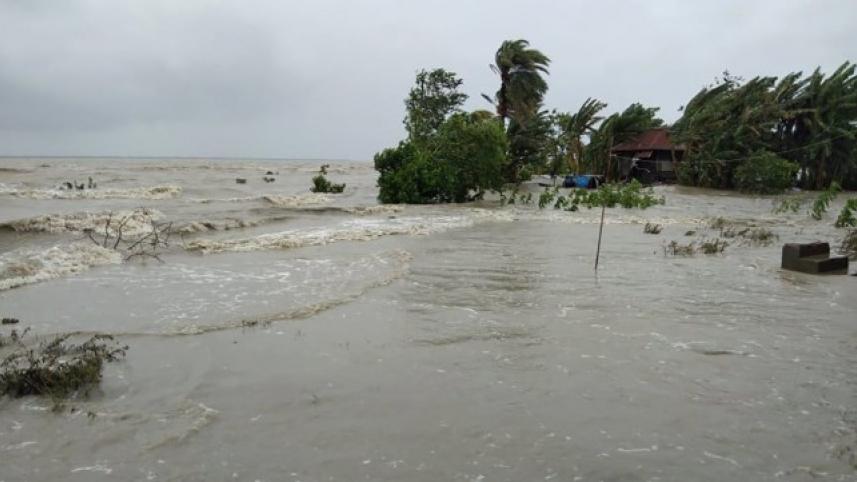
There was a lack of transparency and accountability on the government's part in dealing with recent natural disasters including cyclone Amphan, Transparency International Bangladesh today said.
The anti-corruption watchdog said this at a virtual press conference during the release of a research report titled 'challenges of good governance in disaster management and ways to overcome it: recent experiences including Amphan'.

Data collection, analysis and report preparation of this study was completed between May 18 and December 23.
TIB in its study said political considerations led to lower allocation in the worst affected districts. There was a lack of participation and coordination in dealing with disasters.
They said shelters were used for personal purpose and examples of abuse of political power in relief distribution have also emerged in the study.
There has been irregularities and corruption in the construction of disaster tolerant dams, roads and shelters. The use of political power and personal interest was given priority in construction of shelters and dams.
In terms of transparency, TIB study said hotline numbers were not disseminated among affected population, including the release of disaster forecast information and warning messages in some remote areas.
Pointing to lack of accountability, TIB said even six months after Cyclone Amphan, dam in Satkhira's Ashashuni has not been repaired, leaving about 20,000 people homeless.
There was also a lack of effective initiatives to conduct disaster drills, properly assessment of relief needs and identify and evacuate at-risk populations, the study also said.
Speaking at the programme, TIB executive director Dr Iftekharuzzaman said although Bangladesh has gained a good reputation for disaster management, including reducing casualties, developing a structured model for disaster management, and following it by many countries, there is still room for improvement and there is no room for complacency right now.
"Because of the growing natural disasters and the existing lack of good governance, there is still a loss of about 2.2 percent national income a year. If these deficits can be eliminated, it is possible to reduce this huge loss of national income," he added.
TIB made a 12-point recommendation to deal with the disaster which include updating the existing warning system and conducting campaigns among people in an easily accessible language.
The recommendations also include providing timely forecasts and warnings with more importance in high-risk areas and carrying out relief and rehabilitation programme with transparency prioritising the most vulnerable families and areas.
 For all latest news, follow The Daily Star's Google News channel.
Comments