


Unpacking the abuse inflicted by teachers
Trigger Warning: Mentions of verbal, physical, and sexual abuse

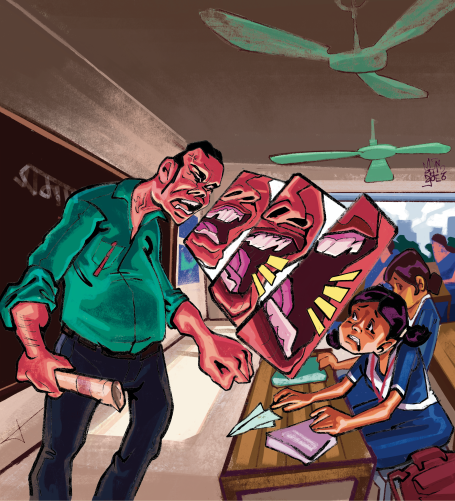
I can still feel the humidity of my sixth-grade classroom. As a natural reaction to the heat, some of us had opened one or two shirt buttons. Suddenly, the teacher, who had been conducting the lesson, called out one of our classmates. She pointed at the girl and started disparaging her because she had opened a few too many buttons for the teacher's liking. This went on for several minutes – one word after the other being thrown at her, insinuating that she did it to grab the attention of the boys in the classroom.
My classmate had started crying by the end of that interaction. The rest of us quietly began closing the buttons we had opened for momentary relief. Sadly, this wasn't that rare a situation for us. This particular teacher's "strict guidance" was known to almost every student in my school. We were simply expected to deal with it, and to pray that we didn't face the brunt of her wrath on any given day.
Schools are often the place where we spend most of our adolescence besides our home. It is the main focal point of a lot of students' socialising as well. Therefore, the fact that the authority figures in such an important environment can be bullies themselves is an extremely uncomfortable truth. A lot of people think that teachers are far more lenient towards us these days. Some are under the impression that children are becoming too sensitive and soft, simply because corporal punishment has been prohibited — that too in 2011.
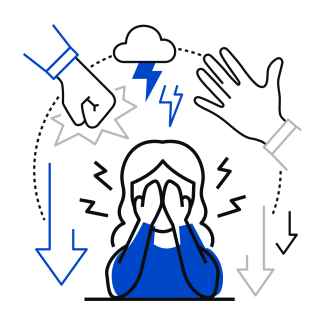
A report titled "The prevalence of teachers who bully students in schools with differing levels of behavioral problems" defines a bullying teacher as a teacher “who uses his or her power to punish, manipulate, or disparage a student beyond what would be a reasonable disciplinary procedure."
Bullying comes in many forms. Sometimes it happens at such a young age that the victim can't even identify it for what it is; they end up blaming themselves for being berated. Such is what happened to Pia*. She says, "Back when I was in class one, I had just been admitted to a new school and was told to draw an octopus. As I was only six years old, I couldn't draw very well, and my science teacher took my drawing in front of the class and humiliated me. As a timid child, this really affected me. She carried on berating me for every little thing. Once she started on her tirade, it took a long time for her to calm down. I became even quieter after facing such treatment from her."
Asked to shed some light on this, Laila Akter, a psychological counsellor, says that neurodivergent students tend to be more vulnerable to teachers’ rebukes. Not all neurodivergent students are bullied, of course. It depends on their communication style and sensory issues, with their behaviour often being misinterpreted by teachers.
Back when Nusrat Shabnam was in the fifth grade, her ADHD was still undiagnosed. Even though she used to complete her homework, she would sometimes forget to bring the note copy to class. This would enrage her maths teacher to the point that he would punish her on other days for no reason. It became particularly bad one day in class when, as the teacher's phone was ringing, she simply pointed it out.
She alleges that he began marching towards her and hitting her on the face with a rolled-up notebook so hard that her glasses fell off. Her friend tried to pull her away from the attack, but he didn't stop. He carried on tormenting her for the rest of the school year.
Bullying isn't limited to insults or physical retaliation. Sometimes it takes the form of active sabotage. Such is what happened in the case of Farhan*, who did not want to enrol in his class teacher's private coaching centre. Following this, the award for ranking first in his batch eluded him.
The procedure required that the class teacher submit his name to the school authorities for the prize to be authorised, which Farhan recalls the teacher forgot to do. Yet, another student, who did attend the teacher’s coaching centre, received it instead.
Students may think that at least in university they won't have to put up with any sort of abuse or humiliation anymore. However, the start of their academic journey may be tainted by some faculty members’ awful behaviour.
Rafi* explains a distressing encounter that he faced. On one particular day, during class, everyone had been talking amongst themselves while the attendance sheet was being passed around. Rafi merely asked a classmate whether they had signed their name, following which the professor came rushing towards him. Rafi alleges that he almost hit him as he charged to the end of the bench and also screamed at him.
He then forced Rafi to call his father and berated him, asking why he had sent his son to that particular university. He proceeded to call Rafi’s mother as well. The student says that the most traumatic part was the fact that the professor decided to humiliate his parents in front of his whole class. Rafi says that he was the subject of horrible nicknames and gossip following the incident.
Through all of this, students are more often than not told to just accept it. They are also scared off from reporting a teacher's behaviour to the school authorities on the basis of a single question: who would they believe – a young student or a grown adult with a long history at the institution?
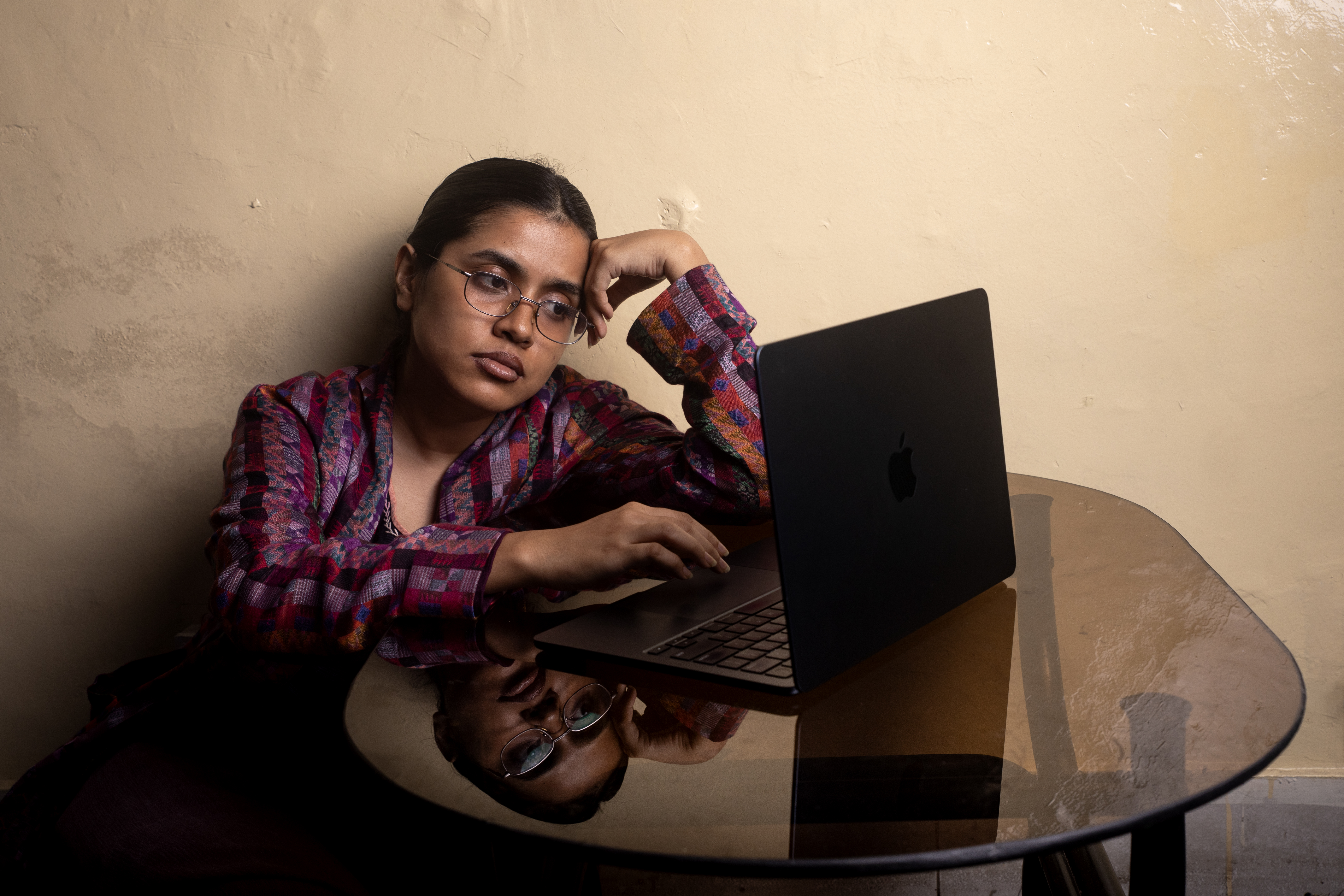
Mustering up the courage to report incidents is not easy either, as victims are often hounded simply for speaking up. Sadly, there are also extreme cases where students have lost their lives for speaking out against an authority figure, such as in the infamous case of Nusrat Jahan Rafi, a young girl who was set on fire for speaking up against her school’s headmaster, who had sexually assaulted her.
 For all latest news, follow The Daily Star's Google News channel.
 It's quite daunting to be treated so harshly by the person who is supposed to be your guide, at the place that is supposed to shape you.
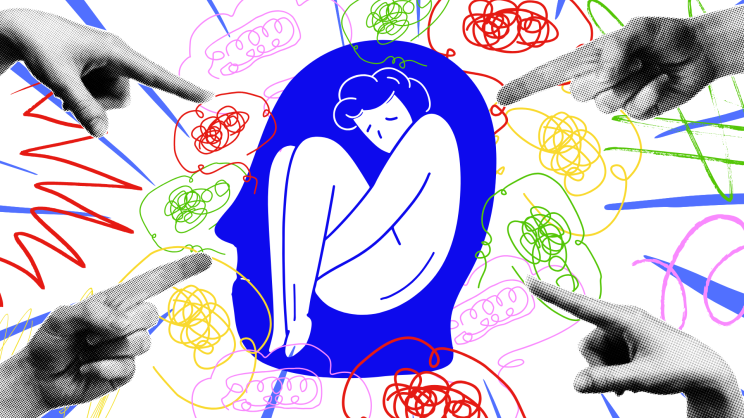
Asked about the effects this type of bullying has on people, Laila opines, "When exposed to prolonged bullying like this, strong psychological effects can be seen in students. They get depressed, they're anxious, and they have self-esteem issues, which can devolve into not performing well academically and developing an aversion towards going to the institution. The worst part is that they sometimes blame themselves for these situations and try to make themselves smaller in social settings."
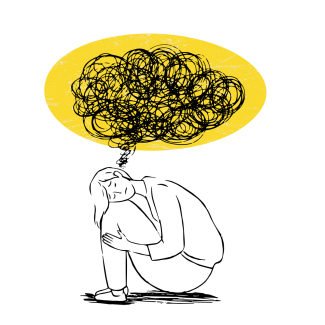
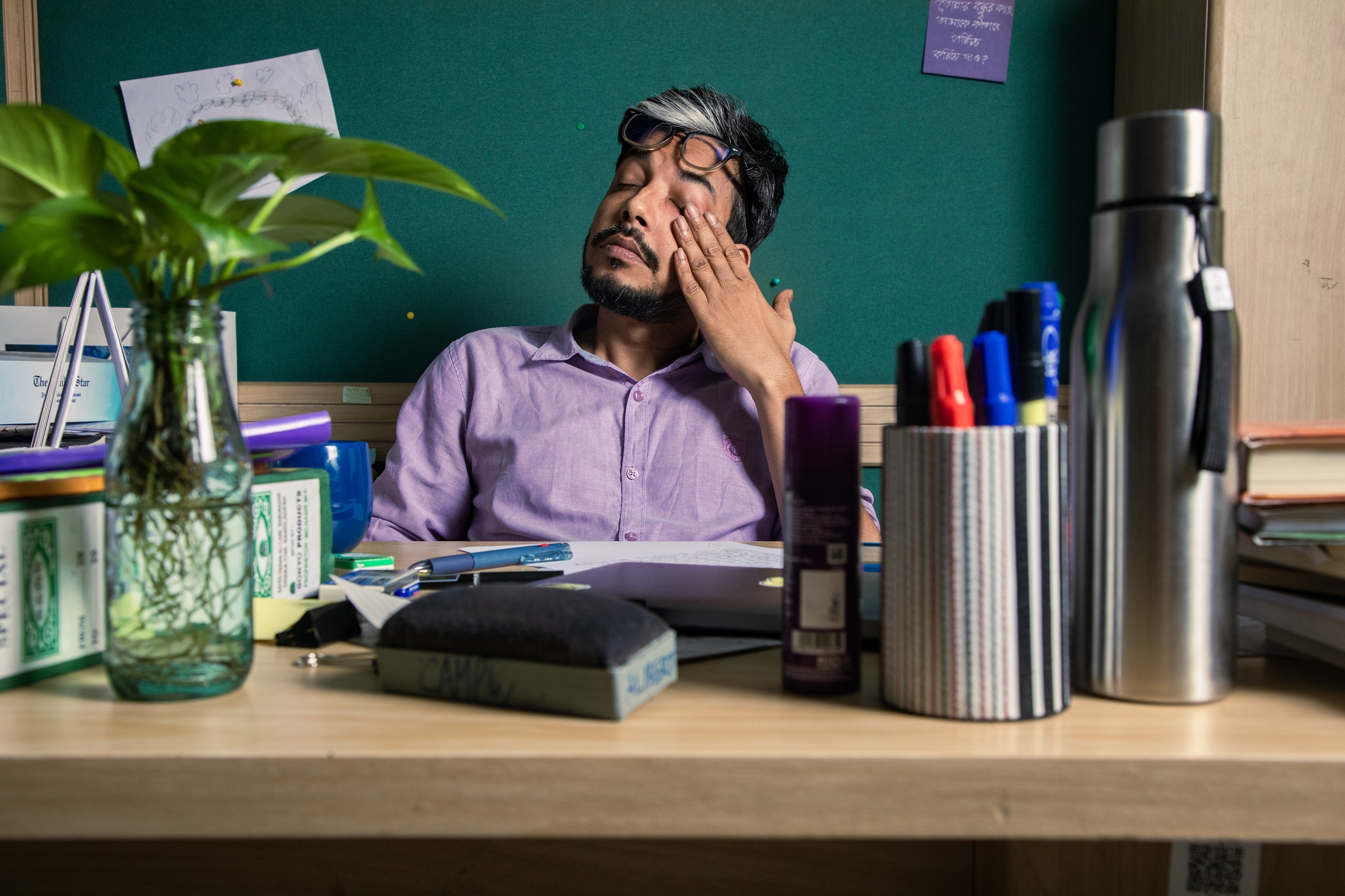
She also offers insight into why teachers act this way: "A lot of our teachers, sadly, aren't trained properly to handle neurodivergent students. They may also not have a proper work-life balance and use the classroom as a way to let out their frustration. They're often so burnt out that their personal authoritarian teaching style overrides the training they do receive on how to handle students."
Laila believes that educational institutions shouldn't simply try to hide these cases. Rather, they should stand beside their students through difficult periods. Beyond support from the institutions themselves, some also struggle with opening up to their parents, as they may minimise the severity of the teacher's actions. As such, while institutional support remains imperative, it is just as vital that the prevailing mentality of people also change.
The inner lives of students are left in turmoil through no fault of their own. As we strive towards a better future, it is imperative that we recognise that teachers’ unwanted, aggressive behaviour is not only called out but deemed unacceptable.
References:
The Daily Star. Prohibiting corporal punishment in educational institutions.
American Journal of Psychiatry (December 1, 2005). The prevalence of teachers who bully students in schools with differing levels of behavioral problems.
The Daily Star. Nusrat murder: HC confirms two death sentences, commutes four to life imprisonment
*Names have been changed upon request.
Fabiha is going to put herself in time out for trying to juggle so many things as though she were the part and parcel of a circus party. Give her juggling tips at s.fabiha.amreen@gmail.com
Comments