


British Council’s Cultural Protection Fund marks 10 years with new capacity-building workshops
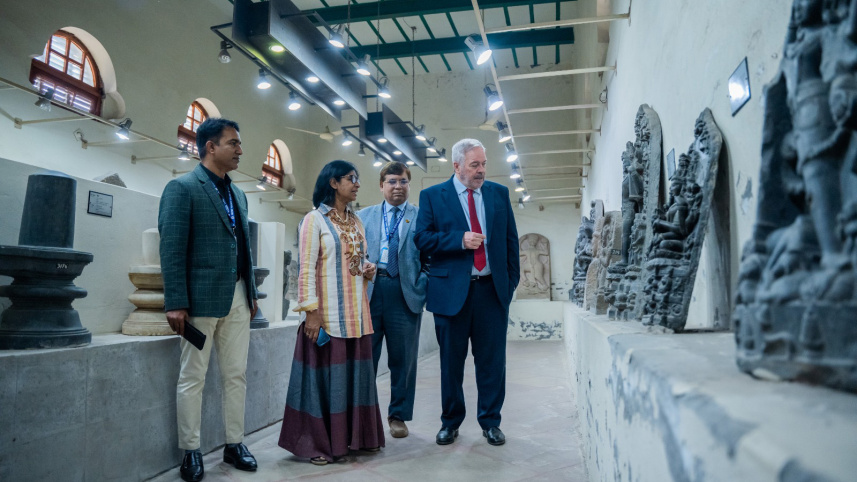
The British Council’s Cultural Protection Fund has entered its tenth year, continuing efforts to protect cultural heritage at risk, with a new series of capacity-building workshops for heritage professionals beginning this month.
The workshops aim to strengthen skills, networks and preparedness among heritage professionals and organisations, says a press release. The programme will connect practitioners across Bangladesh and internationally, enhance coordination across the sector, and support engagement with national and global heritage initiatives.

Stephen Forbes, British Council Country Director Bangladesh, said, “The Cultural Protection Fund demonstrates our long-term commitment to protecting heritage—both tangible and intangible—while investing in people. By creating new professional development opportunities across Bangladesh, we are supporting heritage practitioners to strengthen skills, build networks, and shape the future of cultural protection.”
Since 2022, the Cultural Protection Fund has supported projects across South Asia focused on safeguarding heritage and empowering communities. In Bangladesh, training was delivered at the Varendra Research Museum in 2024–25 to help staff protect collections and oral traditions. A travelling exhibition, History of Bangladesh in 25 Objects, was also developed using the museum’s collections.
In Pakistan, projects have included preserving maritime heritage in the Indus Delta, restoring Buddhist carvings in the Swat Valley, repairing historic Silk Route buildings, and reopening Karachi’s Khalikdina Hall as a cultural hub. In Nepal, initiatives have focused on revitalising endangered languages, reviving Maithil wall art led by women, protecting Himalayan monasteries, and documenting indigenous food traditions affected by climate change.
The British Council said these community-focused initiatives contribute to recovery, resilience and renewal by helping communities reclaim cultural knowledge and build futures rooted in identity and belonging.
 For all latest news, follow The Daily Star's Google News channel.
Comments