


Bangladesh, Japan to sign EPA in Tokyo today

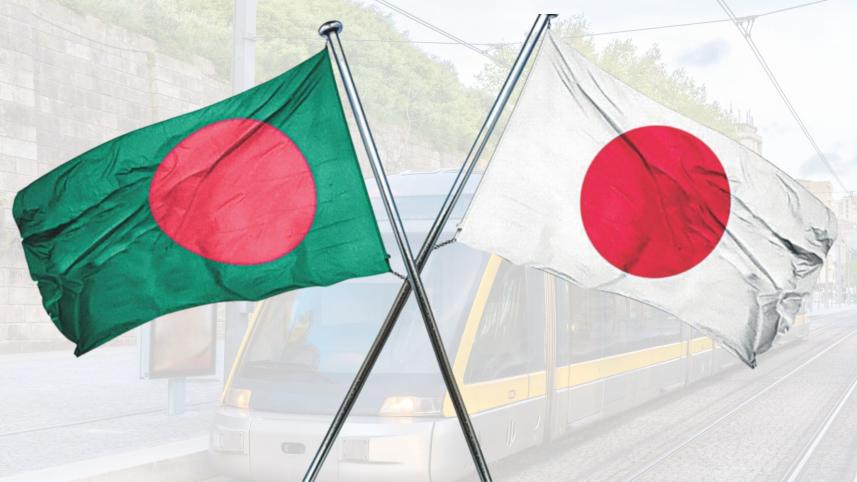
Bangladesh and Japan are set to sign the Economic Partnership Agreement (EPA) this afternoon in Tokyo.
Japan’s Minister for Foreign Affairs Toshimitsu Motegi and Bangladesh’s Commerce Adviser Sk Bashir Uddin will lead the two sides during the signing of the agreement, said Commerce Secretary Mahbubur Rahman over the phone from Tokyo this morning.

This is going to be the first-ever EPA to be signed by Bangladesh with any country. The country has a preferential trade agreement with neighbouring Bhutan, which has been in effect since December 2020.
The Council of Advisers approved the agreement on January 22 this year, aiming to secure tariff benefits after the country’s graduation from the Least Developed Country (LDC) category in November this year.
Japan provides duty-free market access to LDCs, including Bangladesh, on 97.9 percent of tariff lines, according to Bangladesh Customs.
A total of 197 tariff lines are excluded from the benefit. These include rice, sugar, fisheries products, and articles of leather.
After signing, the trade deal will give Bangladeshi exporters duty-free access to 97 percent of their export basket, including ready-made garments (RMG).
Automobiles from Japan, home to global brands such as Toyota and Honda, will not enjoy duty-free entry under the deal, according to the commerce secretary.
Rahman said the move is deliberate to encourage Japanese entrepreneurs to invest directly in Bangladesh’s vehicle segment.
Officials believe this could prompt investment in local vehicle manufacturing, possibly reshaping the country’s automotive industry.
Japan is Bangladesh’s second-largest export destination in Asia. Exporters fetched $1.33 billion in the fiscal year (FY) 2024–25, registering 8.2 percent year-on-year growth, according to Bangladesh Bank (BB) data.
Major items include readymade garments, fish, shrimp and prawns, home textiles, jute manufactures, leather and leather goods, raw jute, and handicrafts.
Bangladesh imported $1.87 billion of goods from the world’s fourth-largest economy in FY25, reflecting the trade balance in favour of Japan.
Iron and steel; vehicles other than railway or tramway vehicles and their parts and accessories; ships, boats and floating structures; nuclear reactors, boilers, machinery, mechanical appliances and parts accounted for more than 60 percent of imports from Japan during the year, according to BB data.
 For all latest news, follow The Daily Star's Google News channel.
Comments