


Bangladesh calls for WTO reform without undermining core principles

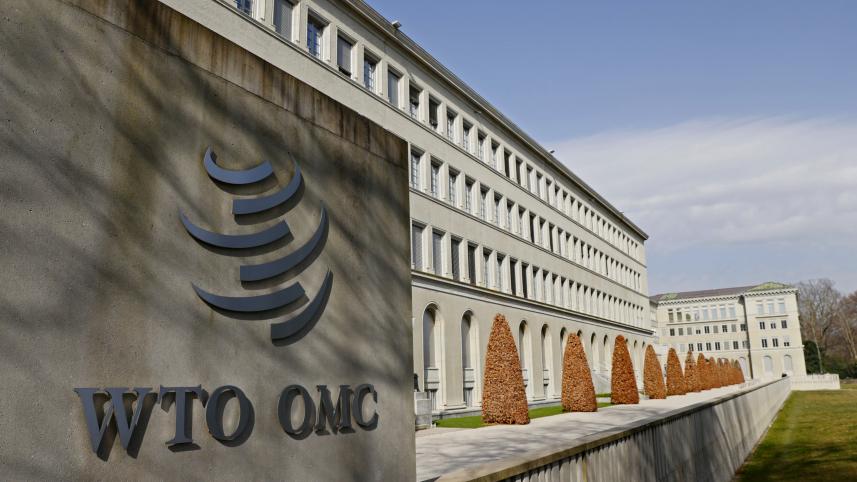
Bangladesh has emphasised the need to reform the World Trade Organization (WTO), while cautioning that any such changes must not undermine the body’s fundamental principles.
Commerce Minister Khandakar Abdul Muktadir made the call at the beginning of the 14th WTO Ministerial Conference on March 26 in Yaounde, Cameroon.

The call came as the multilateral trading arrangement faces challenges due to protectionism, particularly the unilateral imposition of tariffs by countries, such as the recent reciprocal tariff slapped by the USA on many nations.
The consensus-based, rules-based multilateral trading arrangement, anchored in non-discrimination and inclusivity, has benefited both developed and developing nations, including Least Developed Countries (LDCs), he said, mentioning mechanisms such as most-favoured-nation (MFN) treatment, duty-free quota-free market access, and special and differential treatment (S&DT) for developing countries and LDCs.
While reform is essential, it should not come at the cost of distorting its fundamental principles, he said.
Speaking to The Daily Star at the sidelines of the conference, Muktadir said the WTO’s rules-based framework has played a key role in reducing global poverty over the past three decades.
The time and effort invested by nations in creating the current framework should not be wasted in the name of reform, he said.
Mustafizur Rahman, distinguished fellow at the Centre for Policy Dialogue, who is also attending the conference, said the dispute settlement mechanism, often described as the “jewel in the crown” of the WTO, has become almost non-functional due to this prolonged deadlock.
Rahman underlined the need to prioritise fixing tariff rates on an MFN basis.
He said that in recent years, developed countries like the US have been fixing tariffs unilaterally above MFN rates under the guise of reciprocal tariffs, causing many countries to lose their competitive edge.
For instance, he said, if Bangladesh applies the American reciprocal tariff formula to reduce its trade deficit with China and India, the rate of import tax could reach as much as 48 percent on imports from China and 42 percent on those from India.
Similarly, Bangladesh could face much higher tariffs from the European Union if reciprocal measures were applied, given its annual exports of over $25 billion to the bloc compared to imports of $6 billion.
Separately, Sheikh Hossain Muhammad Mustafiz, a director of the Bangladesh Garment Manufacturers and Exporters Association, warned of a future cotton supply squeeze.
He said that four African nations, including Benin, plan to invest significantly in utilising their own cotton for domestic textile production by 2040. African countries have become key sourcing destinations as Bangladesh seeks to reduce its over-dependence on India.
Meanwhile, Aissatou Diallo, executive director of the Enhanced Integrated Framework (EIF), Executive Secretariat at the WTO, advised Bangladesh to improve its investment climate and diversify exports ahead of its graduation to a developing nation this November.
She said the EIF would continue providing technical and financial support for five years to enhance the competitiveness of Bangladeshi entrepreneurs.
 For all latest news, follow The Daily Star's Google News channel.
Comments