


Working through Ramadan
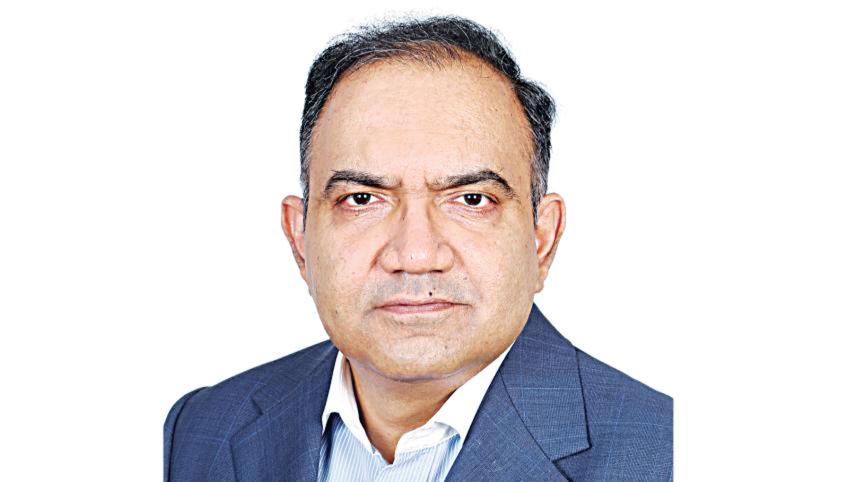
When I left Bangladesh to start a regional role at a global bank based in Singapore, one of the biggest cultural differences at work became clear during the month of Ramadan. As I began fasting, I soon realised there was an ecosystem of support in my office in Bangladesh that was missing at the regional headquarters of the global bank.
In Bangladesh, office hours are shorter during Ramadan, and most colleagues who are fasting share the same state of mind, creating an environment of empathy. I recall my very first Ramadan in Singapore when I joined a global call in the evening. Most global calls took place then to allow participation from all regions. As iftar time approached, my global boss asked me to provide an update on Asia. I took a sip of water, broke my fast and began the update. It was not the ideal way to end a long day of fasting in the office.

Yet I always felt fortunate. I was working in an air-conditioned office while workers from Bangladesh were enduring extreme heat on construction sites, many of them also fasting.
Over the years, I have had many kind bosses. Some allowed me to work from home during Ramadan and blocked my calendar during Friday prayer time. I was also delighted to find a dedicated prayer room and a separate halal microwave oven in the pantry when I later joined a fintech company in Singapore. At the bank, finding a place to pray was often a struggle. There was no prayer room, and I had to search for an available meeting room during prayer times.
Ramadan also teaches important lessons about work prioritisation. I learned to focus on the most important strategic work in the morning when energy levels were higher and the mind was fully alert. This discipline can be practised throughout the year but becomes especially important during Ramadan. A shorter working day means you must complete tasks in the most productive and effective way.
You also learn to avoid confrontations at work, which can easily arise when sugar levels are low.
Traffic management in Dhaka, particularly the race to reach home before iftar, also teaches discipline and time management. I developed the habit of breaking my fast with water and dates in the office and then leaving quickly for home on almost empty streets to have a proper iftar with family. Many years have passed, yet the streets of Dhaka still fall silent just before iftar and fill again soon after.
One privilege in many Bangladesh offices is the service of office peons who fetch tea and run errands. You do not have that in most overseas offices. I realised how much I missed them while making my own tea and learning how to operate the photocopy machine.
When I first started working in Dhaka after returning from the United States, I was not in the habit of fasting. I noticed our office peons were fasting and felt uncomfortable asking them to make me tea during Ramadan. So, I began making my own tea. The peons rushed over as if I was doing something forbidden. To avoid the awkwardness, I decided the best solution was to start fasting myself.
Over the years, fasting has taught me valuable lessons about patience, discipline and effectiveness. It also deepened my respect for colleagues from different backgrounds. Whether working in an office in Motijheel, later in Gulshan Avenue in Dhaka, or from one of the skyscrapers in the central business district of Singapore managing Asia through a regional lens, the practice of fasting helped me navigate complex professional challenges. My faith and the discipline of Ramadan ultimately became a quiet source of strength throughout my career.
The writer is a senior banking consultant
 For all latest news, follow The Daily Star's Google News channel.
Comments