


Unsold stock of rawhide weighs on industry
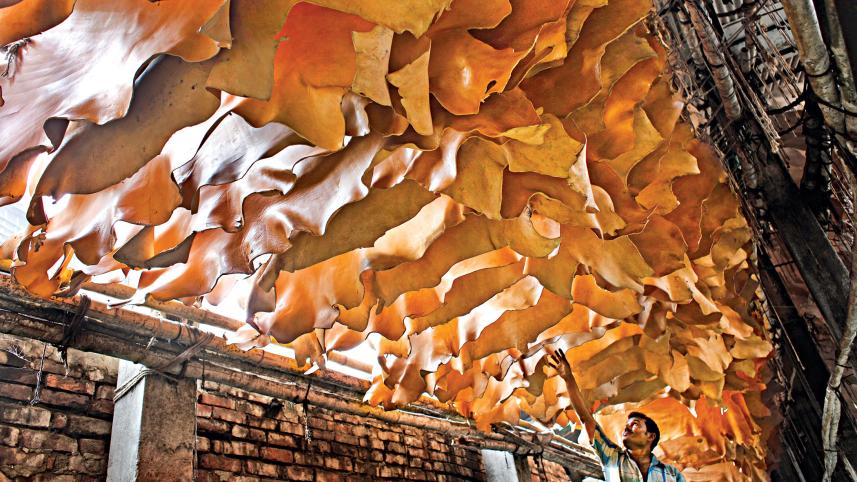
Bangladesh is suffering from unsold stocks of hides and skins for reasons, including a lack of interest of international brands to source from here, as most tanners do not have certification from Leather Working Group (LWG) centring sustainable and environment-friendly leather production.
High dependence on China for the export of crust and finished leathers, use of synthetic leather as an alternative to leather, and failure to increase the use of locally produced leather are the other factors that are leading to the stockpile of unsold goods, according to a paper by the Bangladesh Trade and Tariff Commission (BTTC).

"Our domestic production of hides and skins increased over the last 10 years but its prices have not increased," said Md Mahmodul Hasan, deputy chief of the BTTC, presenting the paper at a public hearing at the BTTC office regarding ensuring fair prices for rawhide.
The BTTC said the annual supply of hides and skins was two crore pieces in Bangladesh and half of that was generated during Eid-ul Azha.
Prices of rawhide are in the rage of Tk 25 to Tk 35 per square foot.
Wet blue leather or moist chrome-tanned leather is sold at Tk 60-Tk 90 per square foot locally whereas prices of the same are Tk 100-Tk 150 per square foot internationally, it said.
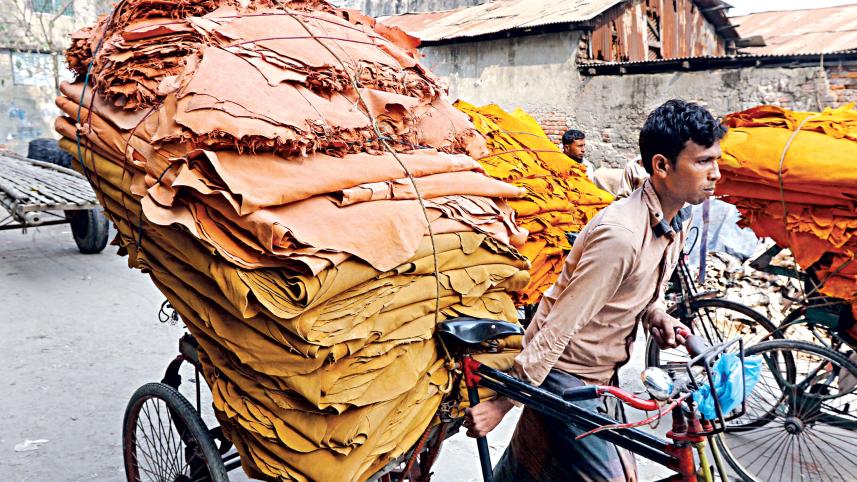
The BTTC paper, citing a 2019 policy on leather and leather processing, said 6 crore square feet of hide and skins were not processed out of total production of 3.10 crore square feet.
High dependence on China for export, rising use of synthetic leather, and failure to increase the use of locally produced leather are holding the industry back
At the event, some participants demanded an opportunity for export of hides and skins to increase demand and ensure better prices for leather.
"All the stakeholders including consumers will be benefited if fair prices can be ensured," said BTTC Chairman Mahfuza Akhter.
Leather and leather products were the third biggest foreign currency earner through exports in fiscal year 2021-22, with leather footwear bringing the highest for the sector.
Leather, once the main foreign currency earner through exports in the industry, registered $150 million in fiscal year 2021-22, up 27 per cent year-on-year.
In the July-September period of the current fiscal year, leather export grew 8 per cent year-on-year to $34.5 million from that a year ago, according to Export Promotion Bureau.
 For all latest news, follow The Daily Star's Google News channel.
Comments