


The tea boy test

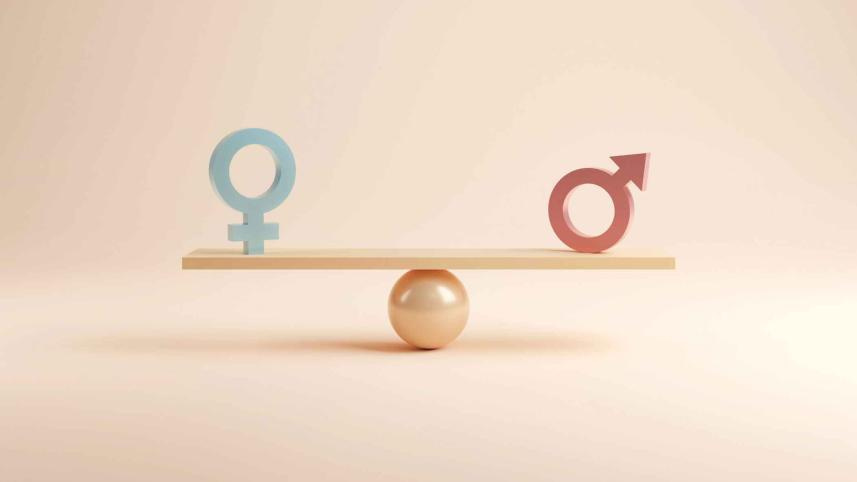
Recently, I visited a multinational company with a female colleague. The tea boy entered the room, looked at me with great administrative seriousness, and asked, “Sir, tea or coffee?” He checked with his boss, took my order, and left the room without asking my colleague. She leaned towards me and whispered, “You see, he did not care what I wanted.”
The painful truth is that I had not noticed.

Not because I am a bad person, but because I am a man trained by society not to notice. We often see discrimination only when it becomes loud, ugly, and reportable. But most discrimination in Bangladesh does not arrive with a microphone. It arrives quietly with a tea tray, a meeting agenda, a boardroom silence, a family dinner, or a shopkeeper who speaks to the husband while the wife makes the actual decision.
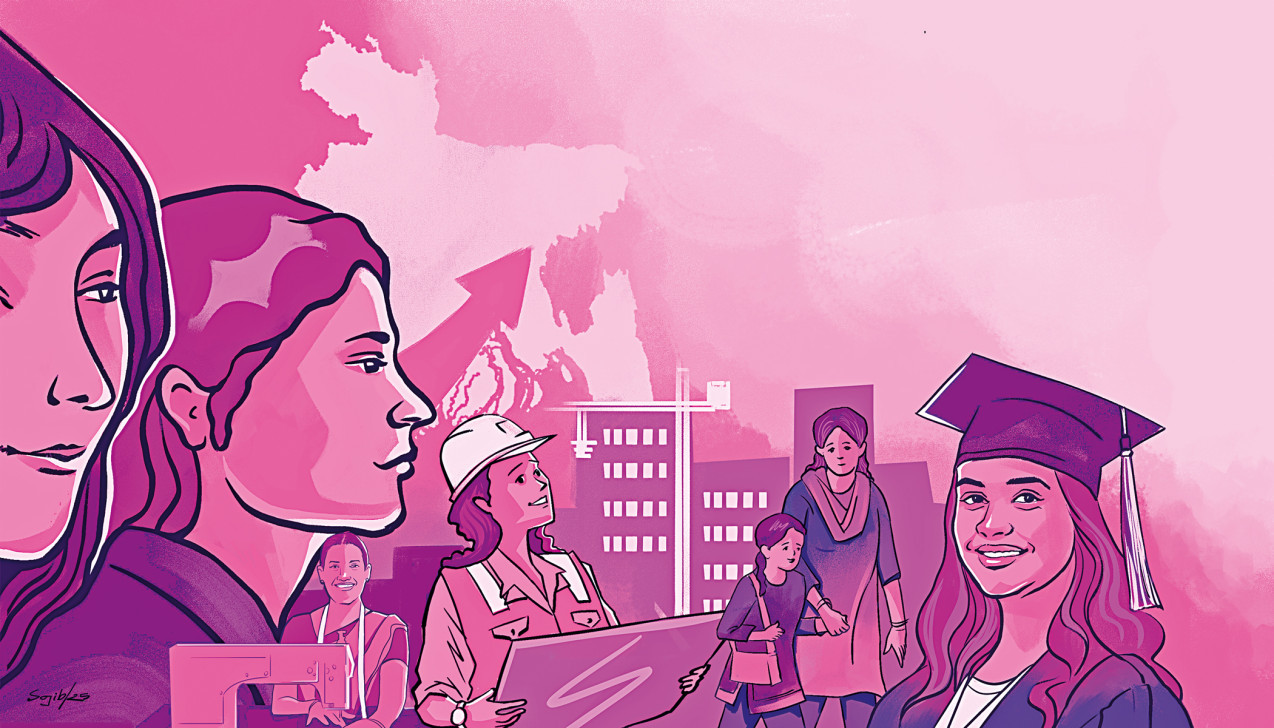
That small incident took me back to moments with my wife. At banks, shops, and hospitals, men would address me while she stood beside me, as if she were an attachment to the main file. I am ashamed to admit how often I failed to see it.
Later that day, we met the female CHRO of another multinational. She shared how difficult it had been to establish herself in male-dominated boardrooms. She often had to pitch her voice 20 percent higher than men just to be heard. When a man speaks firmly, he is “confident”. When a woman does the same, she is “too aggressive”.
Another young female colleague once tried to join the office adda to build relationships. The boys club immediately went silent, as if the Anti-Corruption Commission had entered the room. Promotions, projects, trust, and informal power often travel through tea, gossip, and “bhai-brother” networks. If women are excluded from the adda, they are excluded from opportunity.
This hurts companies before it hurts annual reports. A company that does not listen to women makes decisions with one ear blocked. It loses customer insight, talent, risk awareness, culture, and, eventually, people. Fair treatment is not a favour. It is how a company protects its future.
It also hurts the nation. Bangladesh cannot become a smart economy while half its talent remains polite, patient, and invisible. The World Bank says closing gender gaps in labour force participation can raise GDP per capita by about 20 percent on average. Globally, women’s labour force participation remains around 53 percent, compared with 80 percent for men. That is not a “women’s issue”; it is economic leakage large enough to flood the Ministry of Finance. The ILO has also found that the benefits of gender diversity begin to appear when women hold around 30 percent of senior management and leadership positions.
There are examples to learn from. Nordic countries strengthened their workforces through childcare, leave policies, and acceptance of working women. Germany’s largest companies crossed 25 percent female leadership in 2025. Many global companies treat gender balance as strategy, not decoration.
So, what must we do? First, men must learn to notice. The first reform is not in policy; it is in eyesight. Second, leaders must redesign meetings, mentoring, promotions, and informal networks so women are present where decisions are shaped. Third, HR departments must stop celebrating Women’s Day with flowers while ignoring those who are interrupted, excluded, underpaid, or denied assignments.
Our female colleagues are not asking for sympathy. They are asking for fairness. They carry families, teams, institutions, and our national conscience while being asked to prove themselves twice for half the recognition.
The next time a tea boy enters the room, the revolution may begin with a simple sentence: “Please ask everyone.” Because if we cannot include women in a tea order, our speeches on inclusive growth should be served cold.
The writer is the founder of BuildCon Consultancies Ltd and BuildNation Ltd
 For all latest news, follow The Daily Star's Google News channel.
Comments