


Britons, shaken by rising cost, cut back on shopping
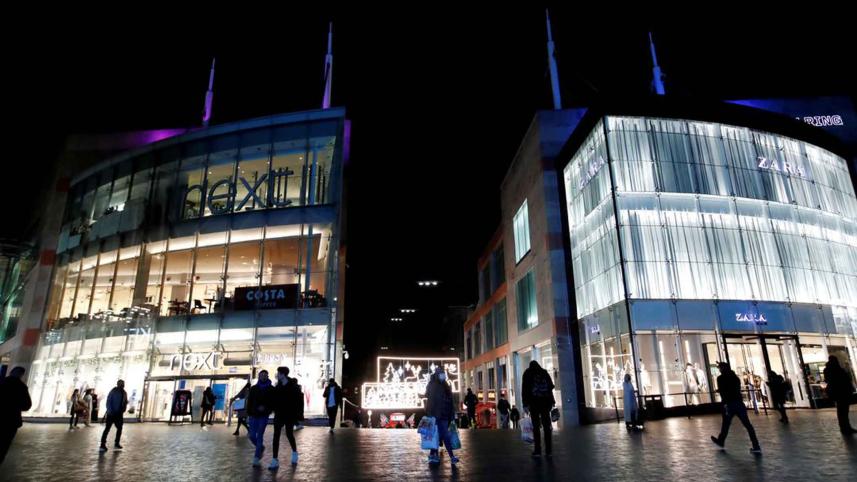
British consumers cut back on shopping in May in the face of fast-rising inflation, and a measure of their confidence sank to a record low this month, according to data that underscored the scale of the cost-of-living squeeze.
The Office for National Statistics said on Friday that sales volumes in May fell by 0.5 per cent on the month, a slightly smaller decline than the 0.7 per cent drop expected by economists polled by Reuters.

But the ONS also slashed its estimate for month-on-month sales volumes growth in April to 0.4 per cent from an originally reported 1.4 per cent after an annual review of its seasonal adjustments process.
"The consumer mood is currently darker than in the early stages of the Covid pandemic, the result of the 2016 Brexit referendum and even the shock of the 2008 global financial crisis, and now there's talk of a looming recession," says Joe Staton, client strategy director at GfK
May's fall was driven by weaker food sales, Heather Bovill, ONS deputy director for surveys and economic indicators, said.
"Feedback from supermarkets suggested customers were spending less on their food shop, because of the rising cost of living," she said.
Earlier on Friday, Britain's longest-running gauge of consumer confidence, the GfK survey, fell to its lowest since records began in 1974.
"The consumer mood is currently darker than in the early stages of the Covid pandemic, the result of the 2016 Brexit referendum and even the shock of the 2008 global financial crisis, and now there's talk of a looming recession," Joe Staton, client strategy director at GfK, said.
Other data published this week which has raised questions about how much higher the Bank of England can raise interest rates, after five hikes since December, without pushing the economy into a recession.
Worries about the hit to living standards contributed to two defeats on Friday in parliamentary by-elections for Prime Minister Boris Johnson's Conservative Party.
Johnson responded to the losses by pledging to do more to tackle the cost-of-living crisis. read more
Overall UK inflation is running at a 40-year high of 9.1 per cent and, according to the Bank of England, is set to rise further to more than 11 per cent in October.
Sterling weakened briefly after the retail sales data before recovering.
The ONS said food store sales fell by 1.6 per cent in May from April, the biggest monthly fall since January.
"Many customers are buying down, particularly with food, choosing value range items where they might previously have bought premium goods," Helen Dickinson, chief executive of the British Retail Consortium, said.
Automotive fuel sales volumes rose by 1.1 per cent, possibly reflecting a fall in the number of people working exclusively from home, the ONS said.
The ONS said retail sales in the three months to May fell by 1.3 per cent after falling by 1.4 per cent in the three months to April.
Compared with a year ago, sales volumes were 4.7 per cent lower.
Excluding fuel, which has soared in price, sales volumes were down by 0.7 per cent on the month and by 5.7 per cent in annual terms.
 For all latest news, follow The Daily Star's Google News channel.
Comments