


Bring idle power plants back on

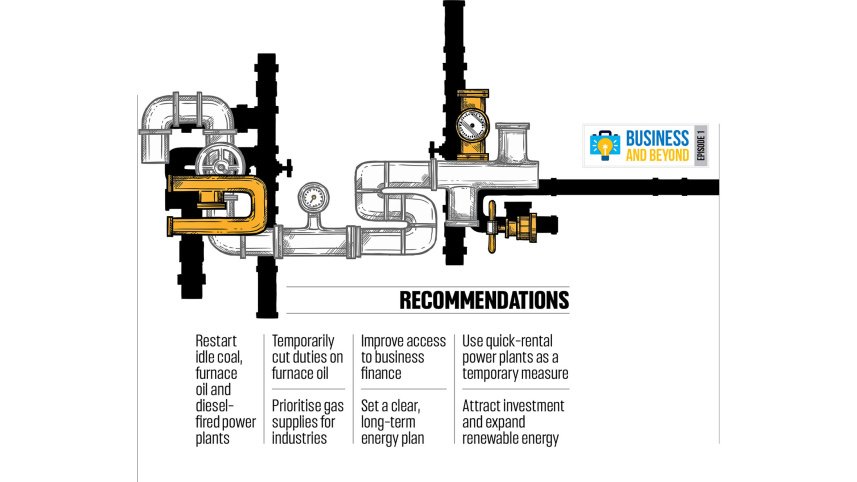
Amid the energy crisis that has been dragging on for more than a month, top business leaders have recommended bringing idle power plants run by coal, furnace oil and diesel back into operation as a short-term measure.
They say this would reduce some of the pressure on gas supplies used for electricity generation, allowing more gas to be diverted to manufacturing units.

The ownership of coal, furnace oil and diesel-fired power plants in Bangladesh is split between the government and private independent power producers. Private companies hold a large share of oil-based generation, while coal-fired capacity is driven by large public-private or state ventures.
The proposal by the business leaders is aimed at firefighting the immediate energy crisis triggered by the US-Israeli war on Iran, which has disrupted shipping through the Strait of Hormuz and severely affected liquefied natural gas (LNG) deliveries from the Middle East. Alternatively, refined heavy fuels and coal are available in regional markets, including Singapore, Malaysia and Indonesia.
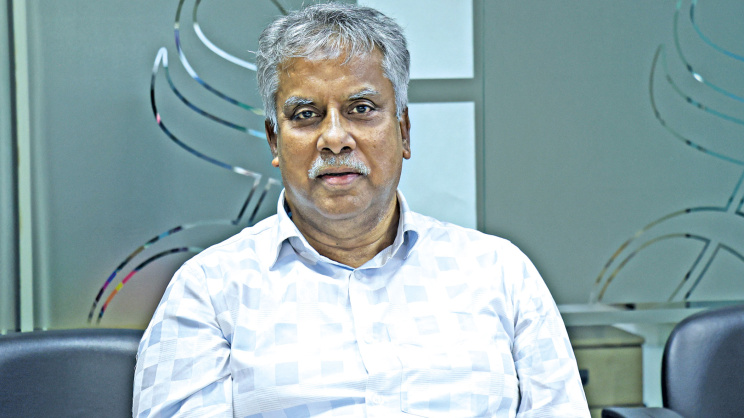
Businesses are going through a turbulent period as energy shortages, difficulties in accessing finance and growing uncertainty weigh on factory production and make firms cautious about new investment decisions.
At a discussion at The Daily Star Centre in Dhaka yesterday, the business leaders also made recommendations for the medium and long-term energy plan.
“Many factories, especially apparel units, are now running at only 30 percent to 40 percent capacity because of frequent power outages,” Fazlee Shamim Ehsan, president of the Bangladesh Employers’ Federation, said at the discussion.
Frequent load-shedding is affecting the dyeing sections of garment factories, making it difficult for apparel manufacturers to achieve the exact colour of fabrics, as the dyeing process requires a continued flow of adequate gas pressure, he told the programme on current challenges facing the industrial sector and the way forward.
Shamim, who is also the executive president of Bangladesh Knitwear Manufacturers and Exporters Association (BKMEA), said the actual gas pressure was allocated at 15 PSI, but factories are currently getting as little as 1 PSI, which is inadequate to run the dyeing sections.
He said nearly 1,200 garment exporters in Fatullah area of Narayanganj industrial belt are facing the same problem.
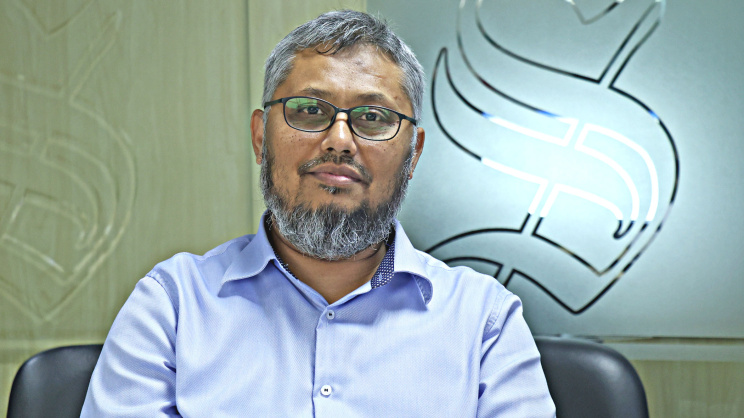
If I know I will miss a deadline by 20 days, I can plan for it. But I do not know how long an energy disruption will last, it is worse.
If the government can supply gas even at 7 to 8 PSI, it would be acceptable to businesses as they could run their factories and ship goods according to their commitments to international trading partners, he said.
For dyeing factories, the problem is particularly serious because the process depends on steady heat and steam. Frequent interruptions make it difficult to maintain production schedules and ensure the required colour and quality of fabrics, said the BKMEA executive president.
According to him, until now, factory owners have continued operating despite lower gas pressure and frequent load-shedding, hoping energy supplies will improve soon. However, it is becoming difficult for businesses to know how long they can continue operating under such conditions.
“If I know I will miss a deadline by 20 days, I can plan for it. But when I do not know how long the disruption will last, that is much worse,” Shamim said.
He believes the immediate response should focus on restoring energy supplies rather than waiting for a permanent solution. He also called for a clear short, medium and long-term energy plan so businesses know what to expect.
Fazlul Hoque, administrator of Federation of Bangladesh Chambers of Commerce and Industry (FBCCI), said businesses are now going through a turbulent period as energy shortages, difficulties in accessing finance and growing uncertainty weigh on production and investment.
He said the current crisis is in some ways worse than the Covid-19 period because the pandemic affected countries at the same time, whereas the present situation is uneven, with some countries doing well while others are struggling.
During the pandemic, Bangladesh’s competitors were also facing widespread similar disruptions, meaning businesses in major competing countries were also dealing with similar difficulties, Fazlul said.
“But the current situation is different, with some countries operating normally or doing well while we are struggling with energy shortages, finance and other constraints.”
 For all latest news, follow The Daily Star's Google News channel.
 For businesses, he said, the problem is no longer confined to one sector. Gas and power shortages are disrupting factories, banks have become more cautious about lending and trade finance, while uncertainty is making entrepreneurs reluctant to commit fresh capital.
“The result is a slowdown in investment at a time when the economy needs new money and new activity,” said Fazlul.
The FBCCI administrator said the country needs to pay greater attention to investment in areas such as IT and AI-related sectors over the next two to three years and diversify where capital is being deployed.
Even if such investments do not immediately create large numbers of jobs, they would bring money and foreign currency into the country and help keep economic activity moving, he said.
Instead of waiting for large investments to return, Fazlul said Bangladesh should encourage a broader flow of capital, including foreign direct investment, so that money continues to circulate through the economy.
“But restoring production is an immediate concern.”
The immediate challenge, Fazlul said, is to take the initiative to operate furnace oil and coal-based power plants to mitigate the ongoing crisis. One option is to bring idle or underused power plants back into operation using alternative fuels such as furnace oil.
He said Bangladesh’s export economy has grown substantially over the years, creating jobs and building industrial capacity. But repeated shocks have also eaten into businesses’ reserves, leaving many companies with little room to absorb another prolonged disruption.
“The energy crisis has also exposed the limits of the banking sector’s ability to support struggling businesses.”
Fazlul said commercial banks have become overcautious and are demanding a lot of documents for loan approval. At the same time, some banks are not giving loans easily because of a trust deficit between bank management and exporters.
“Banks that once helped distressed factories recover are now dealing with problems of their own. As a result, businesses that need working capital or support to restart operations are finding it harder to get help.”
He argued that the biggest problem is no longer simply the high interest rates. For most businesses, the FBCCI administrator said, access to finance matters more than the rate itself.
“Banks have become more cautious and transactions that once took minutes can now take days as lenders scrutinise risks more closely.”
He said that caution is understandable given the condition of the banking sector, but prolonged delays can create another problem for businesses, particularly exporters who need timely trade finance.
For companies already facing production losses because of inadequate gas and electricity, delays in obtaining working capital can further restrict their ability to operate.
This combination of weak energy supplies, cautious banks and uncertainty is also making businesses more reluctant to invest, he added.
Comments