


Black Sea grain deal could hinge on ammonia pipeline
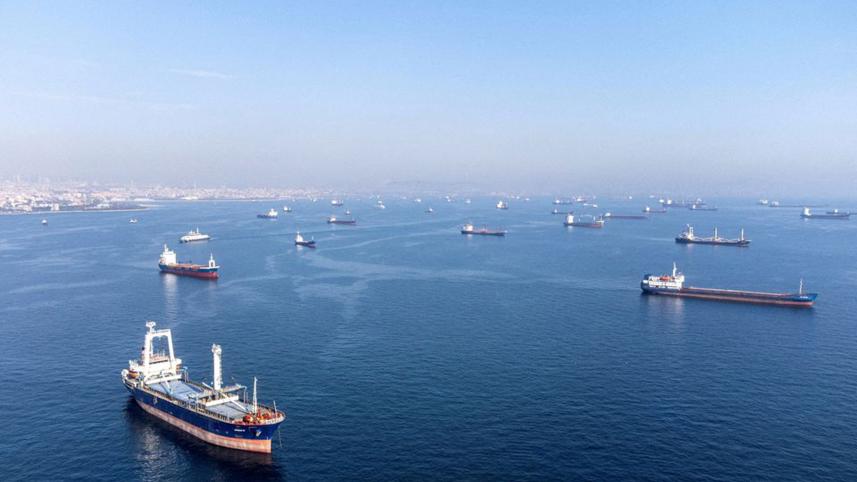
A possible extension next month of a deal allowing the safe wartime export of grains and fertilisers from three Ukrainian Black Sea ports could hinge on the reopening of a pipeline that delivers Russian ammonia to one of those Ukrainian ports.
The United Nations and Turkey brokered the Black Sea Grain Initiative for an initial 120 days last July to help tackle a global food crisis worsened by Moscow's invasion of Ukraine, one of the world's leading grain exporters. It has been extended three times since, most recently until July 17.

More than 31 million tonnes of mostly corn and wheat have been exported by Ukraine under the deal. The Black Sea Grain Initiative also allows for the safe export of ammonia - a key ingredient in nitrate fertiliser - but none has been shipped.
To convince Russia to agree to the Black Sea Grain Initiative, a three-year pact was also struck last July in which the United Nations agreed to help Moscow overcome any obstacles to its own food and fertiliser shipments.
While Russian exports of food and fertiliser are not subject to Western sanctions imposed after the February 2022 invasion of Ukraine, Moscow says restrictions on payments, logistics and insurance have amounted to a barrier to shipments.
A pipeline used by Russia to pump up to 2.5 million tonnes of ammonia annually for global export to Ukraine's Pivdennyi port on the Black Sea from Togliatti on the Volga River in western Russia has been shut down since Moscow's invasion of Ukraine.
 For all latest news, follow The Daily Star's Google News channel.
Comments