


BB takes more steps to ease forex pressure
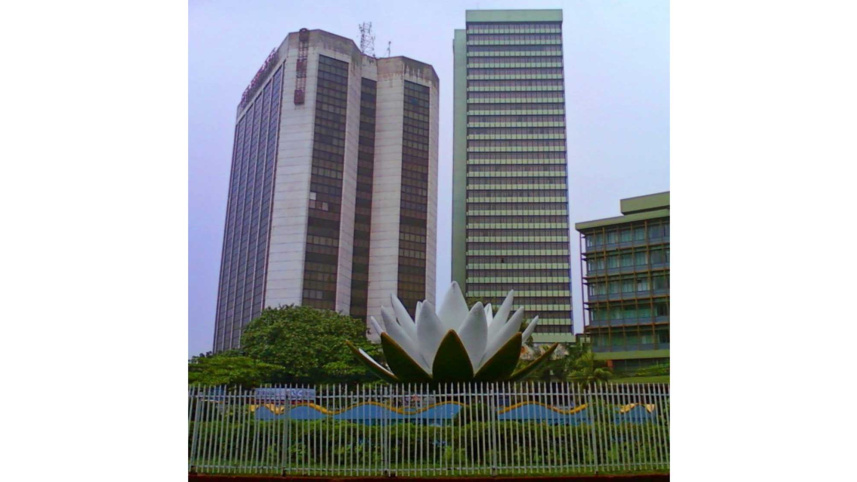
Bangladesh Bank yesterday took more initiatives, including raising the interest rate on its Export Development Fund (EDF), to ease the ongoing pressure in the country's foreign exchange market.
The central bank has hiked the interest rate on EDF loans to 1.50 per cent per annum, up 50 per cent from 1 per cent previously, in order to make the borrowing costlier.

As such, banks will now charge manufacturer-exporters 3 per cent interest instead of the previous 2 per cent for availing the fund, according to a central bank notice.
The volume of the EDF now stands at $7 billion.
In another move, the central bank extended the usance period for the imports of industrial raw materials, agricultural machinery and chemical fertilizers under supplier's or buyer's credit.
A usance, or a deferred letter of credit (LC), means that even after buyers have received goods or services, they get a grace period to make the payment to banks or other lenders.
In January, the central bank pushed back the usance period to 270 days from 180 days.
Now though, it has been decided that the usance period will be extended to 360 days, the notice said.
The new timeframe will remain effective till December 31, 2022.
However, the extended usance period will not be applicable for imports made on loans from the EDF.
The move is aimed at reducing the outflow of foreign currency for the time being.
A Bangladesh Bank official said the country's foreign exchange reserves are now under stress considering the blistering surge in import payments due to disruptions in the global supply chain.
So, the central bank is putting in effort to shield its reserves from the declining trend, he added.
Md Serajul Islam, spokesperson of Bangladesh Bank, said they had injected $15 million into the market yesterday in order to keep it stable.
"Such intervention may continue in the days to come if required," he added.
Earlier this week, the reserve stood at $39.70 billion in contrast to $46.15 billion in December last year.
 For all latest news, follow The Daily Star's Google News channel.
Comments