


Picked too soon: The dilemma facing Pirojpur’s hog plum growers

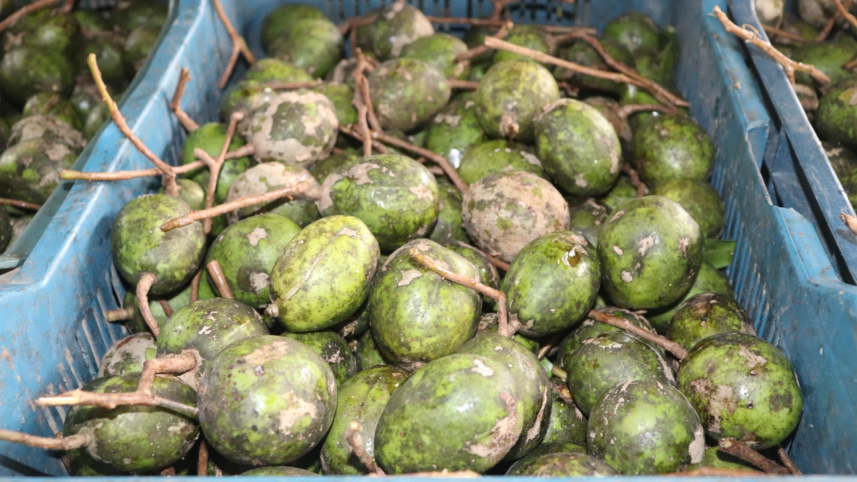
Though the peak season for harvesting hog plums is still more than a month away, small-scale growers in Pirojpur have already begun selling the immature fruit, fearing losses from birds, theft and waterlogging.
The decision comes at a cost. A maund (37.3kg) of hog plums currently sells for Tk 750-800 in wholesale markets, but traders expect the price to rise to around Tk 2,000 once the fruits mature in September.

Hog plum harvesting usually begins in early September and continues for about three months. But harvesting immature fruit has become quite common in recent years, driven by strong demand among urban consumers, particularly for use in curries.
“Farmers have been selling the fruits earlier for the last few years because there is a good demand for them in the market,” said Liton Talukder, a wholesale buyer from Adamkathi village in Nesarabad upazila.
The practice is more common among small-scale growers. Those who cultivate hog plums commercially on a larger scale generally wait until the fruits mature before selling them.
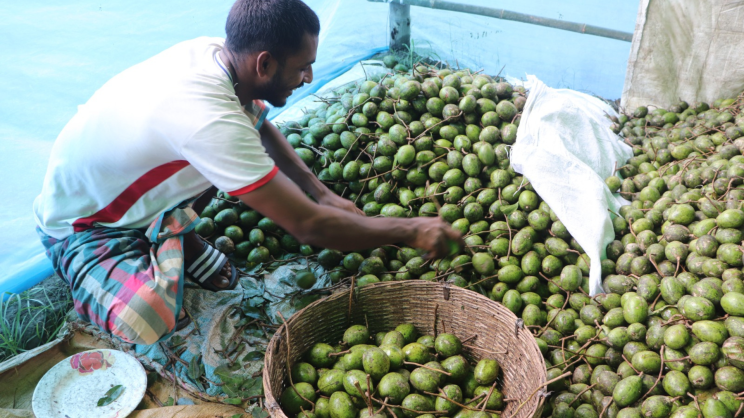
According to traders, growers often sell entire orchards to businessmen after the trees flower. The buyers then harvest the fruits, transport them by trawler to wholesale markets and send them by truck to Dhaka and other parts of the country.
Small-scale growers say waiting carries its own risks.
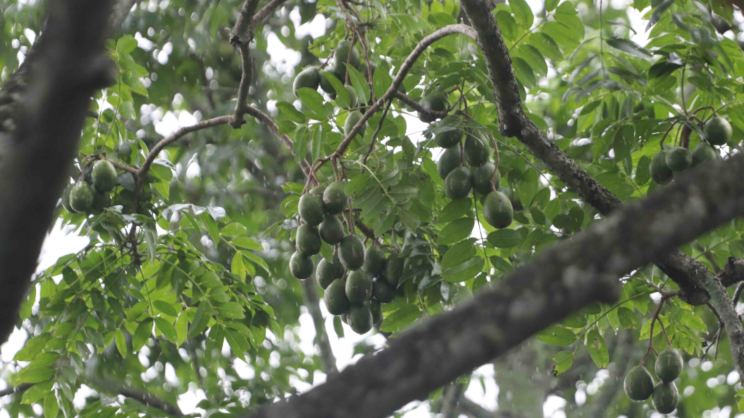
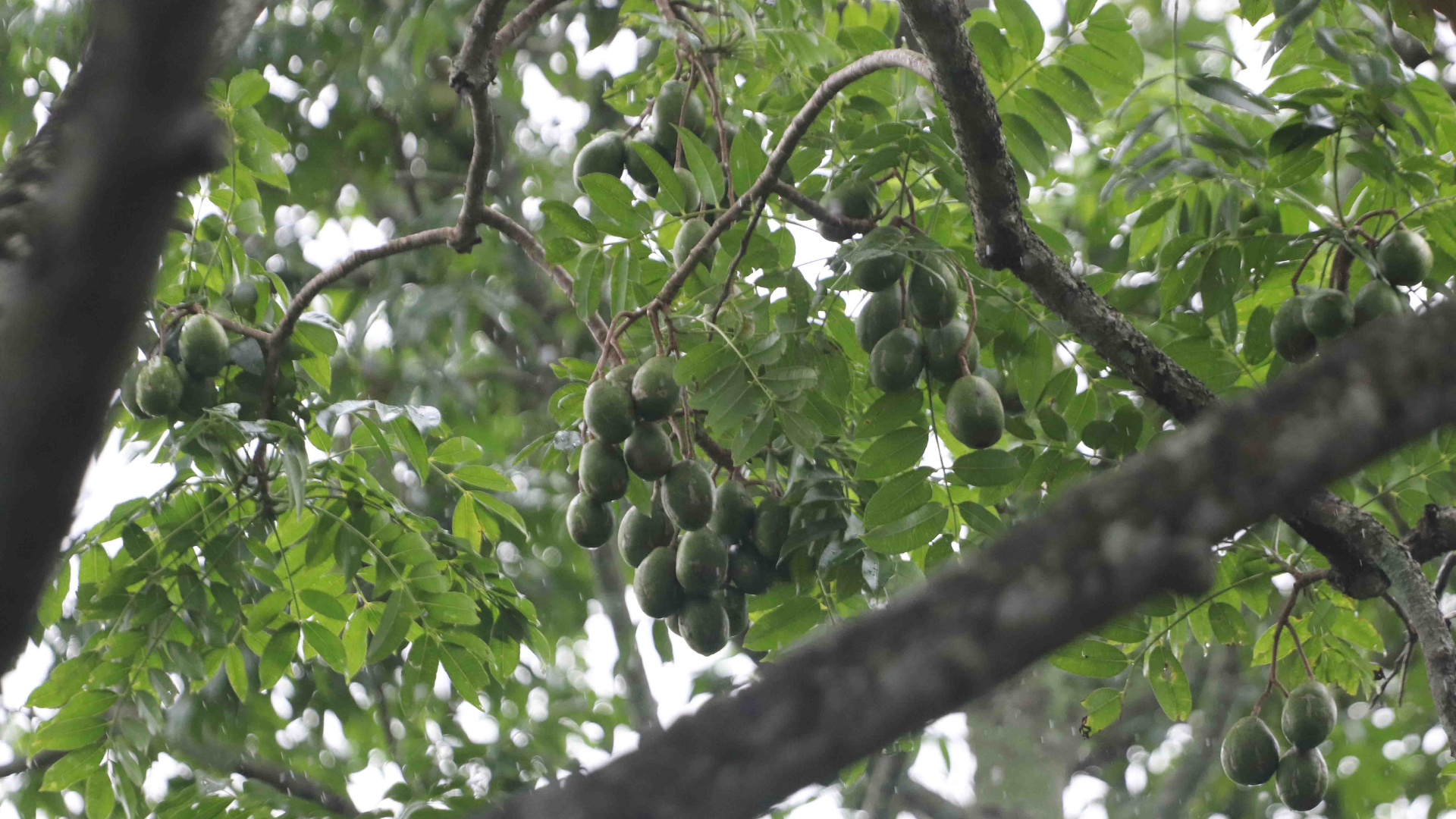
“Birds, including bats and parrots, damage the fruits. People also pluck hog plums from roadside trees and often damage the branches,” said Anwar Hossain Fakir of Kalakhali village in Pirojpur Sadar.
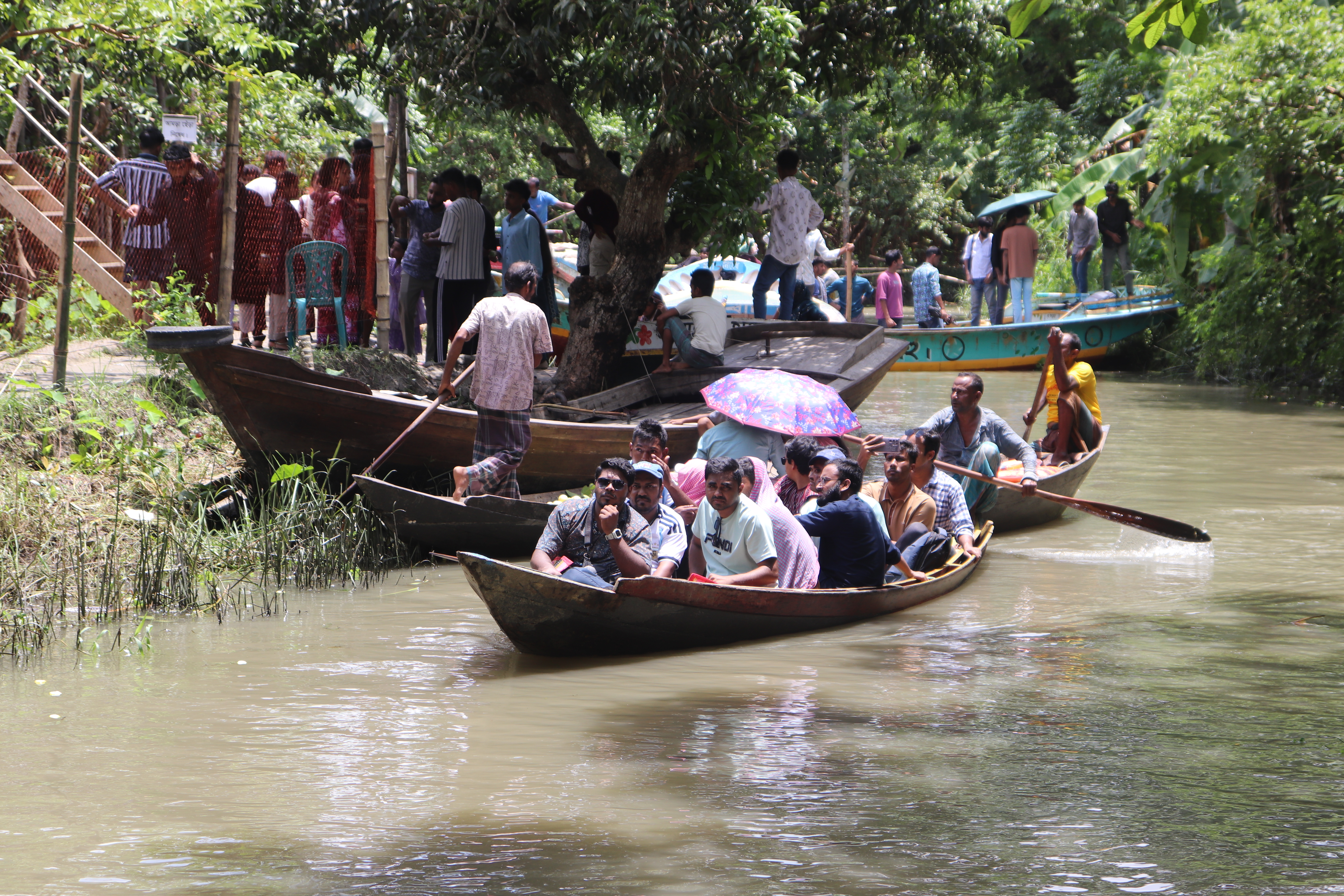
He has already sold the fruits from 10 trees and plans to sell those from another 25.
Waterlogging during the monsoon is another threat. Bijan Krishna Howlader, a sub-assistant agriculture officer in Pirojpur, said excessive rain can leave water around the roots and damage the trees, prompting many growers to harvest early.
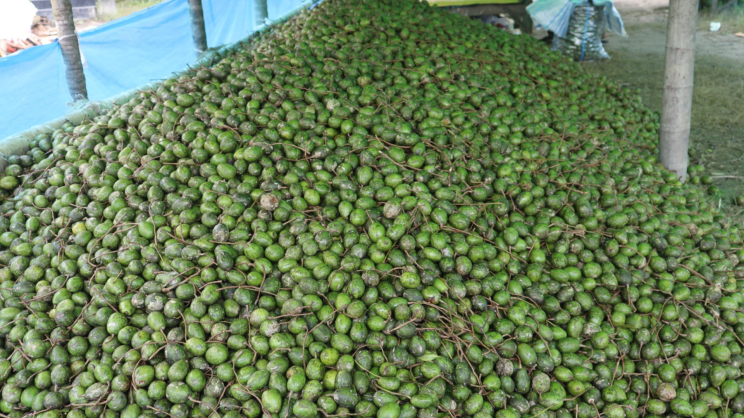
Soumitra Sarkar, deputy director of the Department of Agricultural Extension in Pirojpur, said the district’s soil and water conditions are favourable for hog plum cultivation, with Nesarabad being the main commercial production area.
The variety popularly known across Bangladesh as “Barishal” hog plum mainly comes from the Pirojpur region and is known for its distinctive taste, he said.
Despite the risks, hog plum cultivation remains profitable and its cultivated area is expanding. This year, orchards cover around 700 hectares in the district.
 For all latest news, follow The Daily Star's Google News channel.
Comments