


Don’t commit genocide
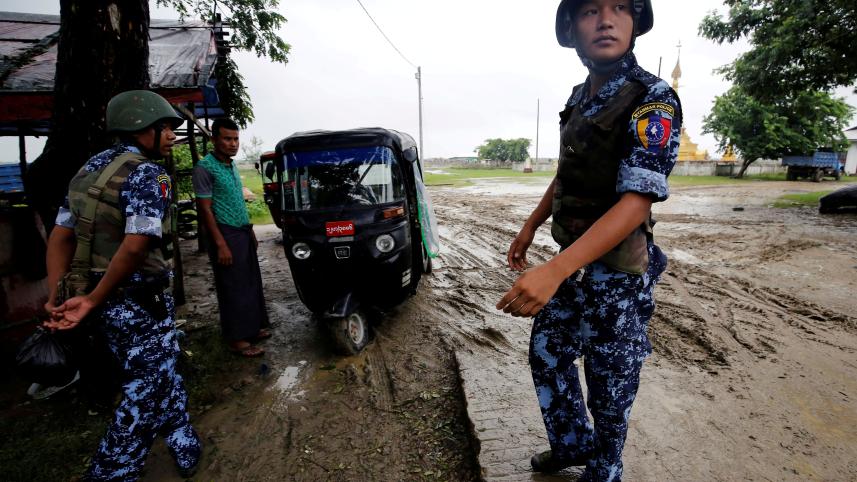
Nearly three months after the International Court of Justice's ruling on the Rohingya genocide case, Myanmar President has asked civil servants, military officials and the general people "not to commit genocide".
In an order issued by Myanmar President's Office on April 8, it directed all ministries, regions and state governments "to ensure that its personnel, officers, staff -- whether military or other security forces, or civil services -- and locals, under its control or direction, do not commit the acts mentioned in Articles II and III of the Genocide Convention."

The order, published on April 9, in Myanmar's Ministry of Information says each ministry, region and state government shall transmit any credible information that it may receive from subordinates about possible acts to the president's office. They were also asked to provide a quarterly report on relevant developments.
This came in response to the January 23 ruling by the ICJ, the top UN Court, that had asked Myanmar to prevent acts of genocide against the country's persecuted Rohingya minority and to stop destroying evidence.
In November, the Gambia filed a suit against Myanmar alleging it was committing "ongoing genocide against its minority Muslim Rohingya population", which forced around 740,000 Rohingyas flee into neighbouring Bangladesh since 2017.
The ICJ said that the Rohingya in Myanmar remain extremely vulnerable and needed to be protected from further bloodshed, while ordering Myanmar to report on its compliance by May 23 and then every six months.
Meanwhile, Human Rights Watch in a statement said Myanmar's directive was not enough to protect the Rohingya.
"Many of the government's existing policies aimed at repressing the Rohingya may be evidence of the ongoing genocide in Myanmar's Rakhine State," said Param-Preet Singh, associate director of International Justice Program at the HRW.
The 600,000 Rohingya still in Rakhine faced "a greater threat of genocide than ever" and remain largely cut off from healthcare and desperately needed humanitarian aid, trapped in villages and open-air detention centres that HRW recently warned are Covid-19 tinderboxes.
 For all latest news, follow The Daily Star's Google News channel.


Comments