


What are the worst-case scenarios?
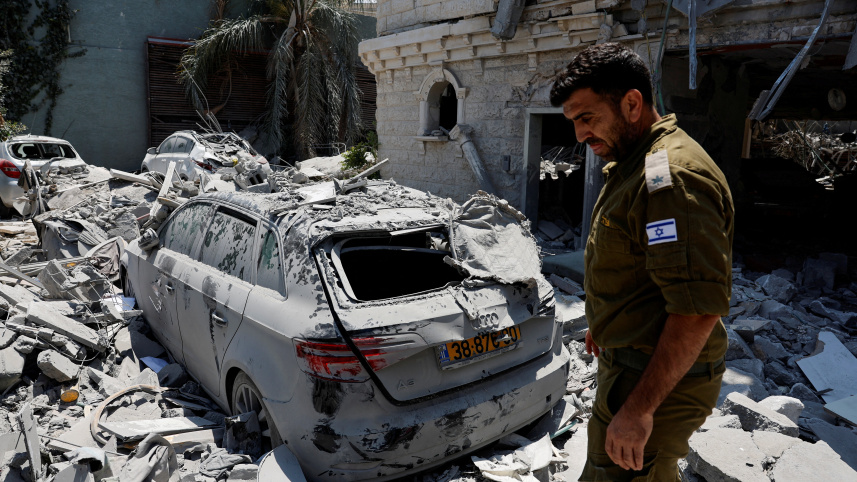
For now, the fighting between Israel and Iran seems restricted to the two nations. But what if calls to de-escalate fall on deaf ears? What if the fighting escalates and expands? Here are just a few possible, worst-case scenarios:
AMERICA GETS DRAGGED IN

For all the US denials, Iran clearly believes American forces endorsed and at least tacitly supported Israel's attacks.
Iran could strike US targets across the Middle East – such as special forces camps in Iraq, military bases in the Gulf, and diplomatic missions in the region. Iran's proxy forces - Hamas and Hezbollah - may be much diminished but its supportive militias in Iraq remain armed and intact.
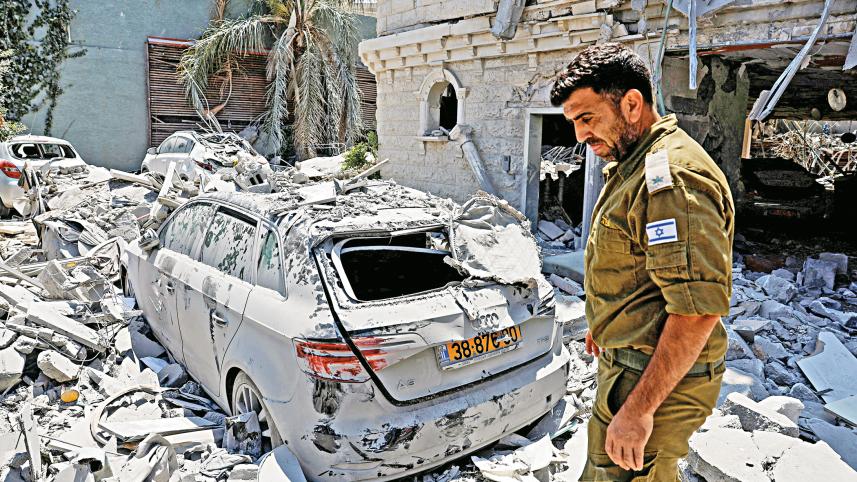
GULF NATIONS GETS DRAGGED IN
If Iran failed to damage Israel's well-protected military and other targets, then it could always aim its missiles at softer targets in the Gulf, especially countries that Iran believes aided and abetted its enemies over the years.
But these countries play host to US airbases. If the Gulf were attacked, then it too might demand American warplanes come to its defence as well as Israel's, reports BBC.
GLOBAL ECONOMIC SHOCK
What if the Israeli attack fails? What if Iran's nuclear facilities are too deep, too well protected?
At the very least, this could force Israel to further attacks, potentially binding the region into a continual round of strike and counter-strike. Israelis have a brutal phrase for this strategy; they call it "mowing the grass".
The price of oil is already soaring. What if Iran tried to close the Strait of Hormuz, further restricting the movement of oil?
What if – on the other side of the Arabian Peninsula - the Houthis in Yemen redouble their efforts to attack shipping in the Red Sea?
Many countries around the world are already suffering a cost of living crisis. A rising price of oil would add to inflation on a global economic system already creaking under the weight of Trump's tariff war.
IRAN'S REGIME FALLS
What if Israel succeeded in its long term aim of forcing the collapse of the Islamic revolutionary regime in Iran?
Netanyahu claims his primary aim is to destroy Iran's nuclear capability. But he made clear in his statement yesterday that his broader aim involves regime change.
He told "the proud people of Iran" that his attack was "clearing the path for you to achieve your freedom" from what he called their "evil and oppressive regime".
Bringing down Iran's government might appeal to some in the region, especially some Israelis. But what vacuum might it leave? What unforeseen consequences would there be? What would civil conflict in Iran look like?
Many can remember what happened to both Iraq and Libya when strong centralised government was removed.
 For all latest news, follow The Daily Star's Google News channel.
 So, much depends on how this conflict progresses in coming days.
How - and how hard - will Iran retaliate? And what restraint – if any - can the US exert on Israel? On the answer to those two questions much will depend.
Comments