


Meta and Google lose addiction case in a landmark trial as pressure builds
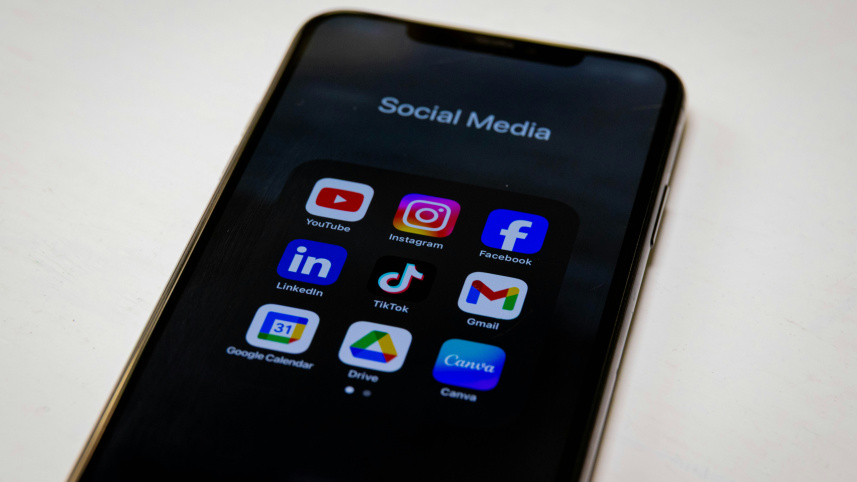
A jury in Los Angeles has found Meta and Google liable in a case alleging that their platforms contributed to social media addiction and harm to a young user.
The case was brought by a 20-year-old woman who argued that prolonged exposure to platforms including Instagram and YouTube had negatively affected her mental health during childhood. Jurors concluded that the companies had intentionally designed features that contributed to addictive use.

Damages and legal findings
The jury awarded a total of $6 million in damages, including both compensatory and punitive amounts, after determining that the companies had acted with what it described as “malice, oppression or fraud”. Meta was assigned 70 percent of the liability, with Google responsible for the remaining share, according to a recent report by the BBC.
Both companies said they disagreed with the verdict and indicated plans to appeal.
Personal testimony and platform design
During the trial, the claimant said she began using YouTube at the age of 6 and Instagram at 9, without age restrictions being enforced. She described spending extended periods on the platforms and later experiencing anxiety, depression and concerns about body image. This was later diagnosed by a therapist. The claimant was diagnosed with body dysmorphia – a condition that makes people worry excessively about their physical appearance, as per the BBC report.
Her legal team argued that design features such as continuous scrolling and algorithm-driven content contributed to compulsive use. They also cited testimony of experts and former Meta executives suggesting that attracting younger users was a strategic priority for platform growth.
Wider legal and policy implications
The verdict is expected to influence a number of similar cases currently progressing through United States courts. It follows a separate ruling in New Mexico that also found Meta liable over concerns about risks to children on its platforms.
According to the BBC, campaigners and parents’ groups welcomed the outcome, describing it as a potential turning point in efforts to hold technology companies accountable. Some advocates said the ruling could intensify calls for stricter regulation of social media use among younger users.
Governments in several countries are already examining new measures. Australia has introduced restrictions aimed at limiting children’s use of social media, while the United Kingdom is exploring proposals to restrict access for users under the age of 16. Indonesia also plans to follow Australia in setting social media age restrictions.
 For all latest news, follow The Daily Star's Google News channel.
Comments