Honor X9d review: built to last, with battery life to match
The Honor X9d comes with a clear promise: durability you can rely on in everyday use. After two weeks of handling it less delicately than most review phones, that claim feels well founded. The more interesting question, though, is whether the device delivers just as well in the rest of the experience.
Here is our take after living with it.
A phone that feels prepared for accidents
Honor has made durability central to the X9d’s identity, and on paper the phone is well protected. It is rated for drop resistance of up to 2.5 metres and carries IP66, IP68, IP69 and IP69K certifications for water and dust resistance.

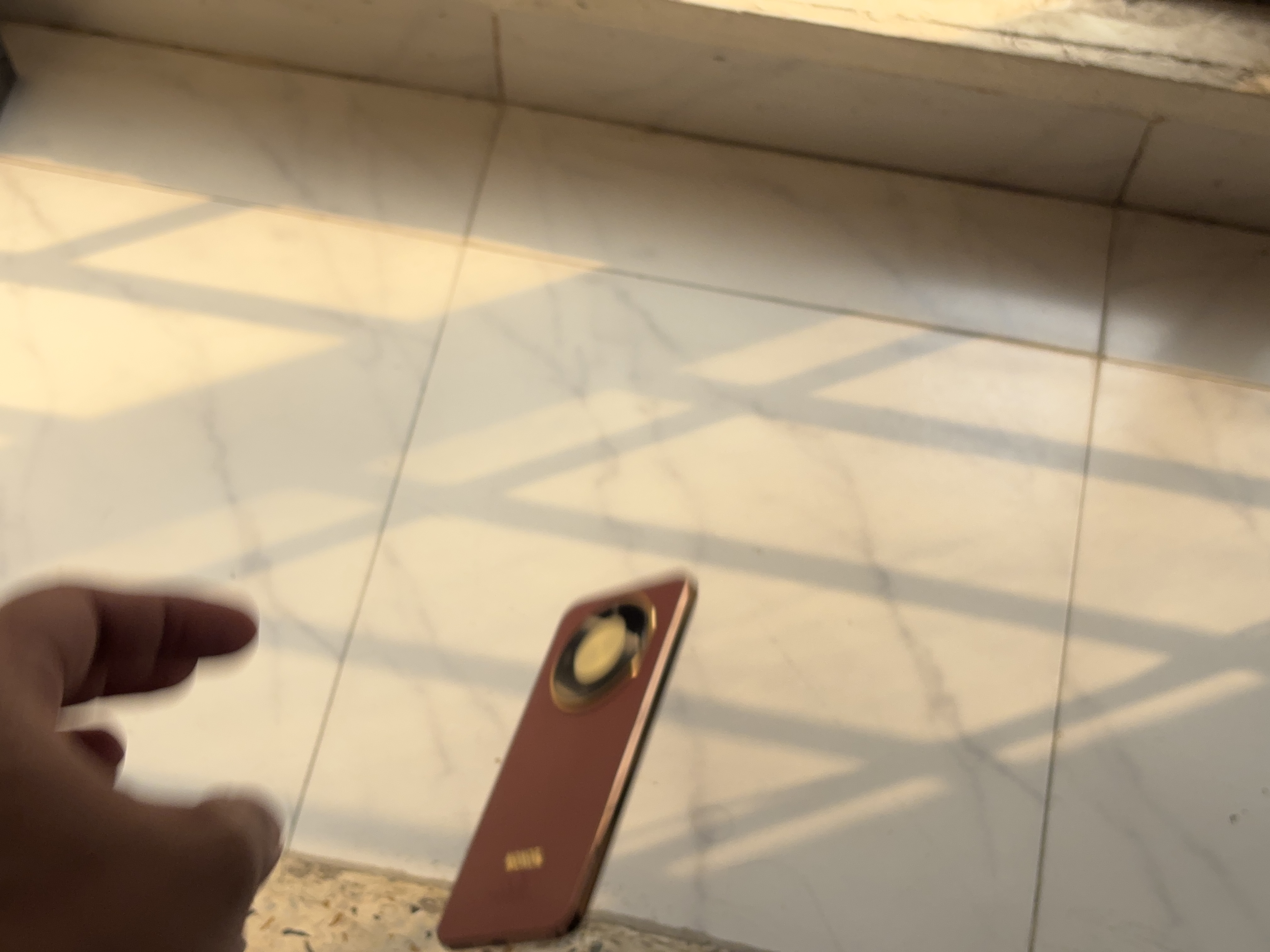 | 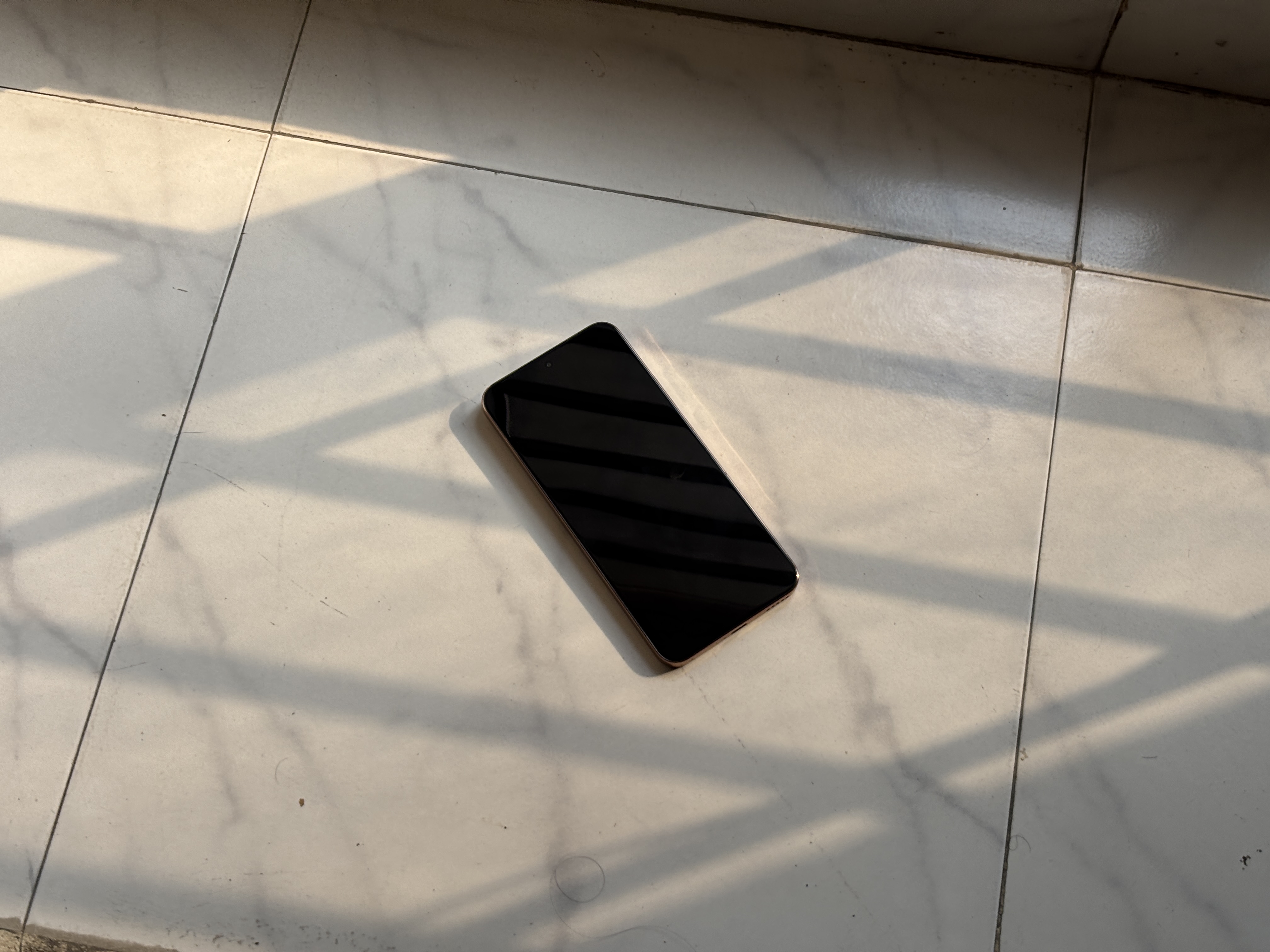 |
That kind of specification matters less as a party trick than as peace of mind. In practice, it means the phone feels better equipped than many mid-range devices to deal with the sort of accidents that happen in real life: a slip from the hand, a spill on a table, a sudden splash outdoors. During our time with the device, it gave the impression of being unusually resilient without feeling bulky or overbuilt.
The back panel also proved harder-wearing than expected. Even after rougher treatment than most phones would usually get in daily use, it resisted scratches well. The larger point is not that the X9d should be treated carelessly, but that it appears built to absorb the occasional mishap without immediately becoming a source of worry.
A more responsive everyday experience
The X9d runs on Qualcomm’s Snapdragon 6 Gen 4 processor, and the gains are noticeable in ordinary use. Across two weeks, the phone felt responsive and well tuned. App launches were quick, swiping felt immediate and general navigation remained smooth.
That translated well across a mixed workload. The phone handled writing and editing tasks, video playback and short-form video editing without complaint. Rendering clips for social media posting was similarly straightforward, and the overall sense was of a device that is comfortable switching between light productivity and entertainment.
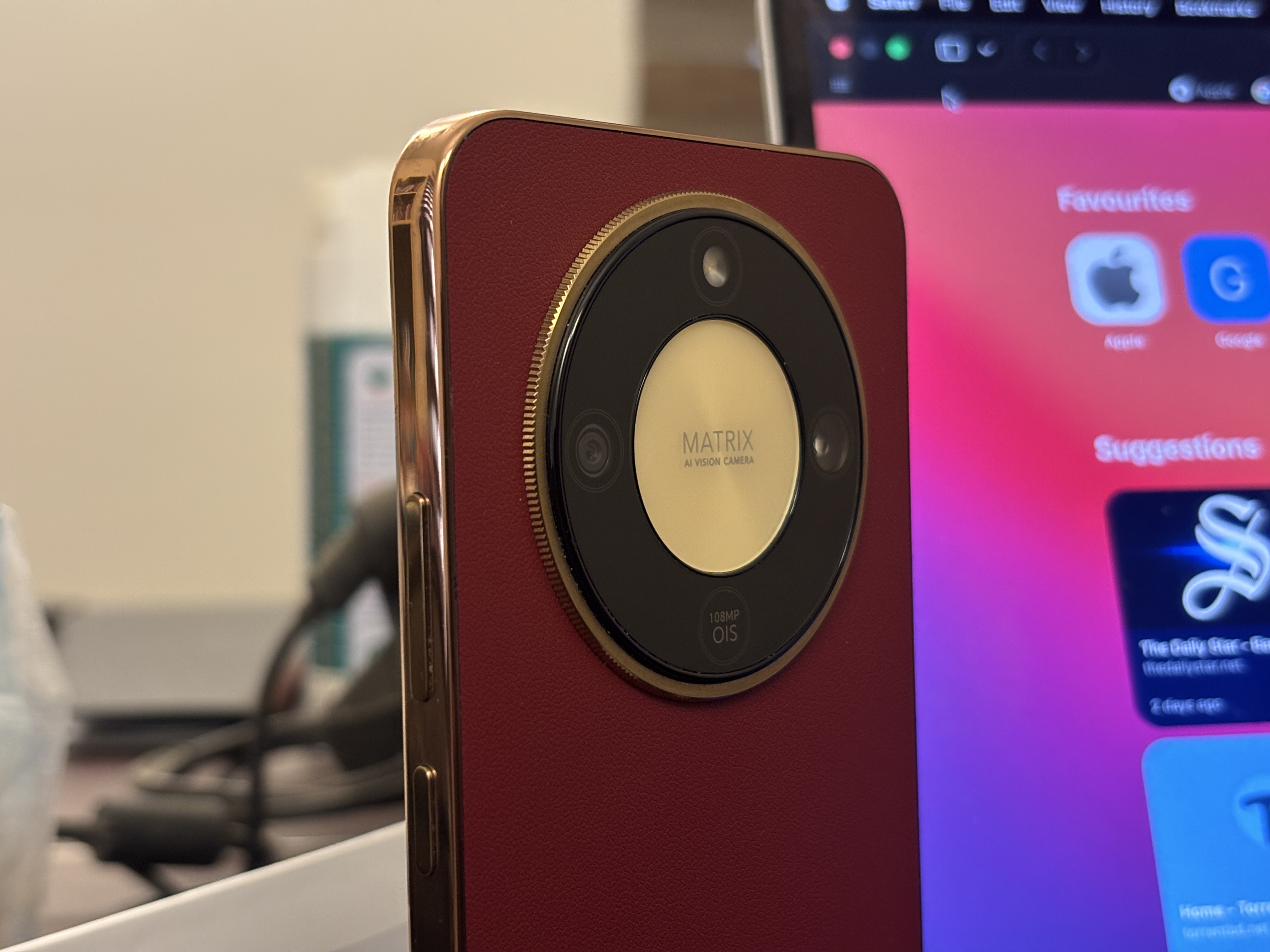
Gaming performance was also solid within the titles tested. Mobile Legends: Bang Bang and Call of Duty Mobile both ran well, and not merely in a barely acceptable way. These were enjoyable sessions, including at higher graphics settings. In Call of Duty Mobile especially, camera movement felt natural and touch response struck a good balance: fast enough to feel sharp, but not so sensitive that control became erratic. Honor’s gaming panel, which offers quick-access controls while playing, adds some useful convenience without overcomplicating the experience.
There are limits, of course. We did not push the phone with the most demanding games available, so there is only so far the assessment can go. But over the course of normal use, editing, multitasking and mainstream gaming emerged as genuine strengths.
The only notable performance drop came after taking photos continuously for around half an hour. At that point, the phone began to slow slightly, a reminder that imaging workloads still place heavy demands on a device’s resources.
Sharp display, strong media experience
The X9d’s 6.79-inch FHD+ AMOLED display is one of its more convincing assets. It is bright, sharp and pleasant to use across different scenarios, whether for gaming, editing footage, browsing or watching video.
Honor highlights the peak brightness, but what stands out in everyday use is the overall crispness of the panel. With a pixel density of 427ppi, images and text look clean, and photos and videos are easy to review on the phone itself before sharing. For anyone who uses their handset to make quick edits or check content on the go, that matters.
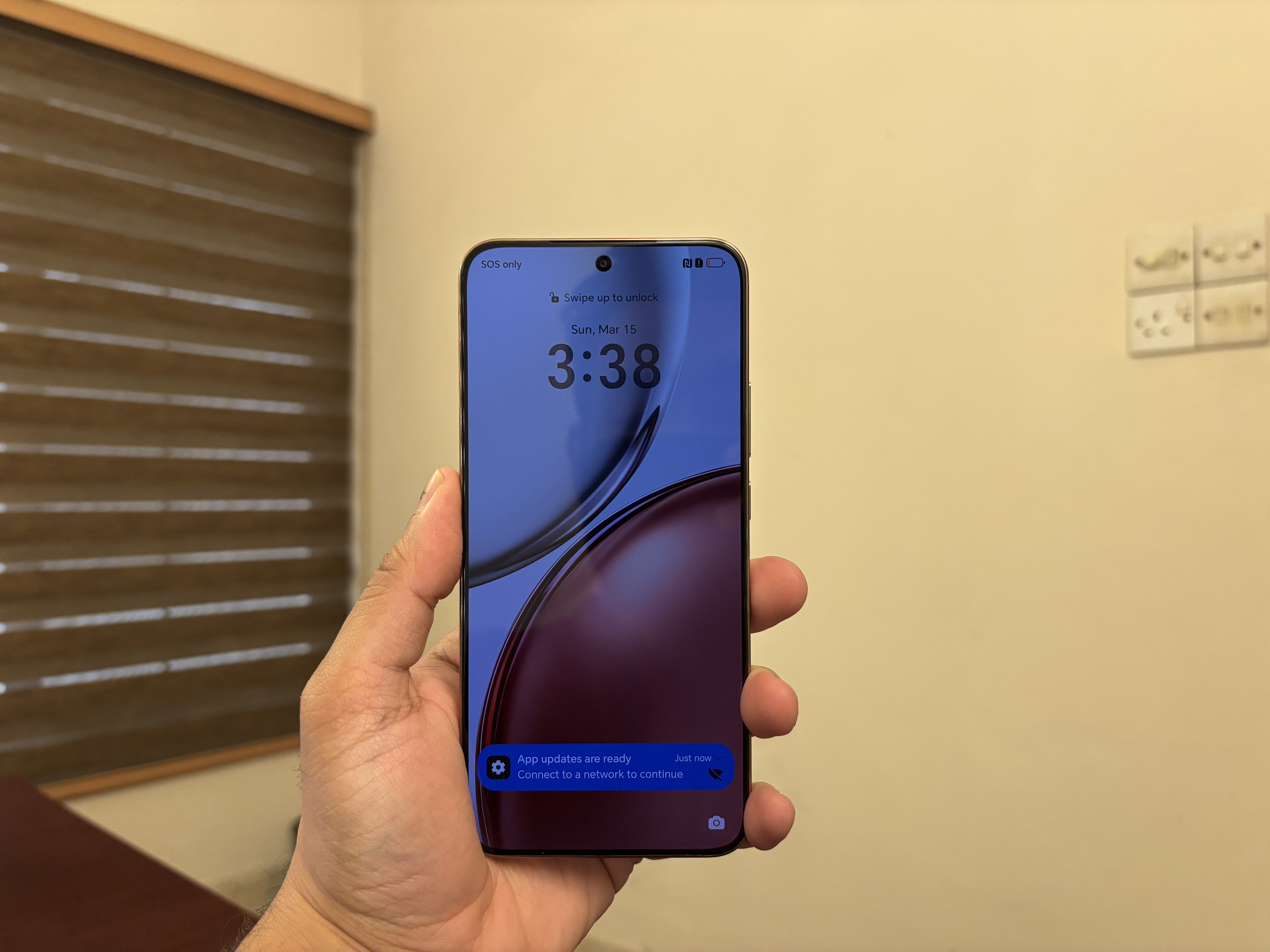
The display also helps the device feel more premium than its segment might suggest. Sports clips, social videos and films all benefit from the panel’s clarity, and there was little sense of compromise here in routine media use.
Battery life is the defining upgrade
If there is one area where the X9d most clearly distinguishes itself, it is endurance. The phone has an 8,300mAh battery, and in use that translated into consistently impressive longevity.
With lighter, mostly at-home use, the device comfortably stretched to two days. On longer days out, with mobile data and location services switched on and the phone sometimes acting as a hotspot for other devices, it still had charge remaining by midnight. That included browsing, camera use, video watching and some short-form editing.
Gaming also had a relatively modest effect on battery drain. An hour of play consumed roughly 10 per cent, which compares well with many competing devices that tend to lose more over the same period. In practical terms, that extra buffer changes how the phone feels to live with. There is less need to think about topping up throughout the day, and more confidence that it will still be useful when needed most.
Charging, meanwhile, is better optimised than the battery size might suggest. The 66W charging support brought the phone from 30 per cent to full in a little over an hour in our use. A full charge from near empty should take about 90 minutes.
There is one caveat. When used as a hotspot, the X9d can heat up noticeably. On some occasions, that heat caused the hotspot to switch itself off, interrupting whatever was connected. It is not a constant issue, but it is significant enough to mention for anyone who regularly relies on tethering.
Cameras that deliver more often than they disappoint
The X9d’s camera system does not radically redefine what a phone in this class can do, but it performs well enough to remain one of the device’s stronger areas.
The 108MP main camera produces sharp, clear images in good light, with reliable results up to 3x zoom. Colour tends towards the vivid rather than the restrained, which many users will appreciate because images often look ready to post without much editing. Honor’s built-in filters are also more useful than the usual token additions, giving users a few genuinely usable looks without too much effort.
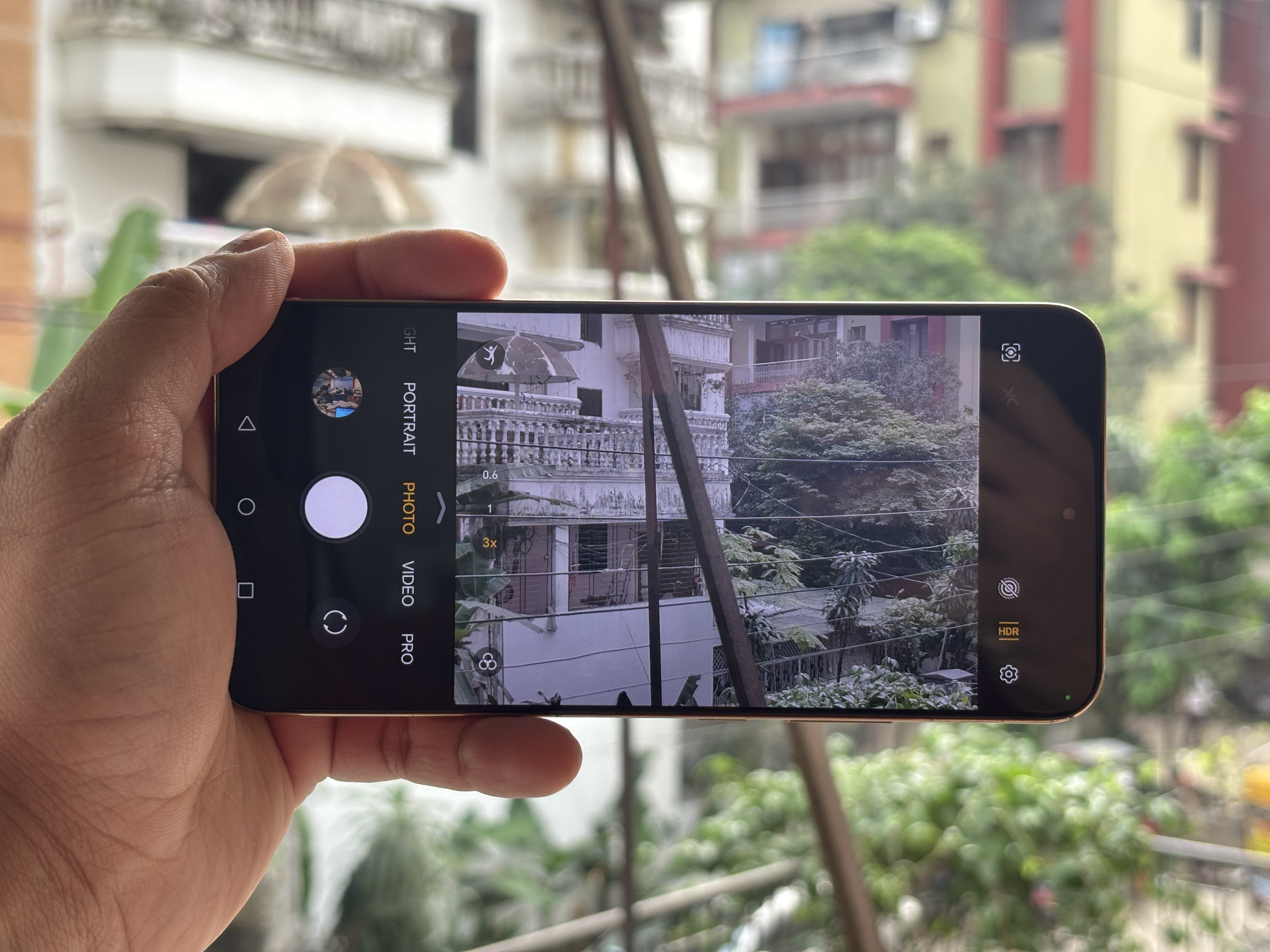
Night mode lifts darker scenes capably, while portrait mode offers flexibility across different focal lengths. Video at 1080p and 60fps is generally smooth, and optical image stabilisation helps keep footage steady enough for casual vlogging or moving shots. The selfie camera is also dependable, preserving detail reasonably well, while portrait effects add some convincing depth.
 For all latest news, follow The Daily Star's Google News channel.
 There are still limitations. Video lighting can be inconsistent, and after repeated shooting the shutter can begin to lag. Those issues do not overwhelm the experience, but they do stop short of making the camera system exceptional.
Even so, the overall result is positive. In a mid-range phone, the camera can often be the point where compromise becomes most visible. Here, it remains competitive and enjoyable to use, particularly for spontaneous photos and everyday video.
Flatter design, cleaner usability
One of the more welcome design decisions is Honor’s move away from heavily curved edges. The X9d uses a flat display with rounded corners, and it is better for it. The screen feels more practical, the bezels are slim, and content is not awkwardly cut off at the edges.
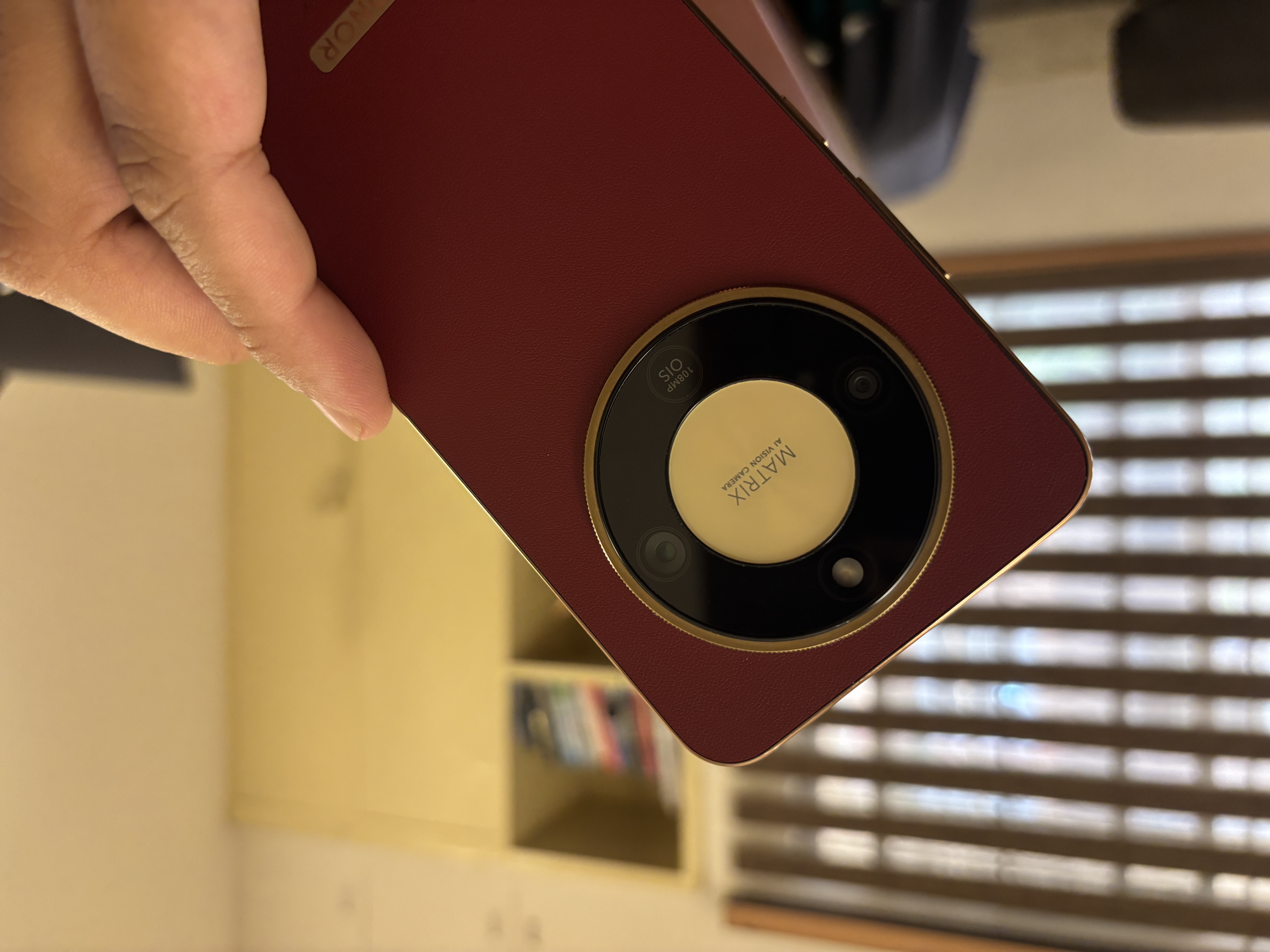
The rear design is distinctive enough without becoming overstated. The Reddish Brown finish has some visual flair, while the circular camera module keeps Honor’s familiar watch-face motif intact. The look is recognisable, but still manages a degree of individuality.
The phone ships with MagicOS 9.0, which is tidy and easy to navigate. The software includes the now-standard assortment of AI features, though some are more useful than others. AI Suggestions on the home screen, for instance, proved genuinely practical in helping resume recent activity.
Verdict
After two weeks of use, the Honor X9d 5G comes across as a thoughtfully balanced mid-range phone. Its appeal is not built on one flashy feature alone, but on how competently it handles the basics that matter most over time.
It is durable without feeling gimmicky, fast enough to stay enjoyable in daily use, equipped with a strong display and anchored by genuinely impressive battery life. Its camera system is reliable, if not flawless, and the phone remains composed across most common tasks. The drawbacks are real but manageable: some heat when hotspot use is extended, occasional slowdowns after heavy camera use and a connectivity experience that is good rather than outstanding.
Taken together, the X9d feels like an all-rounder with a clear sense of purpose. It does not try to dominate every category. Instead, it makes a stronger case as a phone designed to last, perform consistently and stay useful long after the novelty of a new device has worn off.
IBM partners with OpenAI to push AI deeper into enterprise consulting

Instagram updates its wordmark for the first time in a decade

ByteDance and Motion Picture Association signs AI copyright agreement

Google unveils Pixel 11 lineup, AirTag rival, and new Gemini features

Competency based BCS viva: how candidates can prepare

Nvidia's $500 billion plan to keep ageing GPUs valuable is a gamble with its own balance sheet

Vibe-coding startup Lovable raises $400 million

Investors sue Selena Gomez and Wondermind, alleging fraud and broken promises

Astronomers discover a black hole pretending to be a star