


The cost of a distant war being paid in Bangladeshi lives

Bangladeshi national Ahmad Ali, 55, had spent nearly three decades building a life in the United Arab Emirates.
Every morning, he loaded his van with drinking water and delivered it to homes and businesses. Each evening, he returned with the modest satisfaction of having done his job.

One morning, that routine ended.
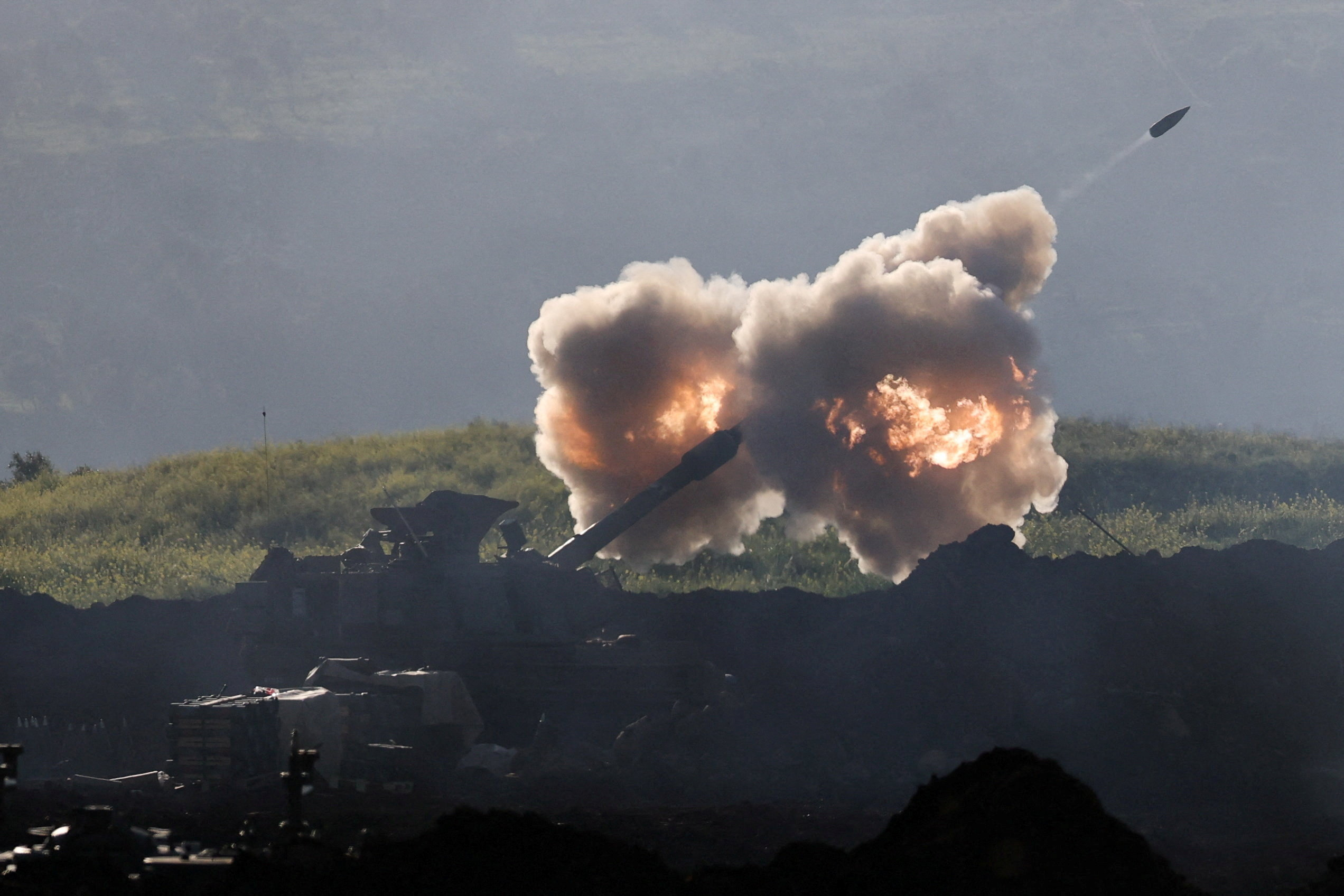
The US and Israel had launched strikes in Iran. In retaliation, Iran fired missiles at Gulf countries. Debris tore through Ahmad Ali’s van. The man from Moulvibazar’s Barlekha was killed instantly.
His last promise to his son that he would come back home very soon remained unfulfilled.
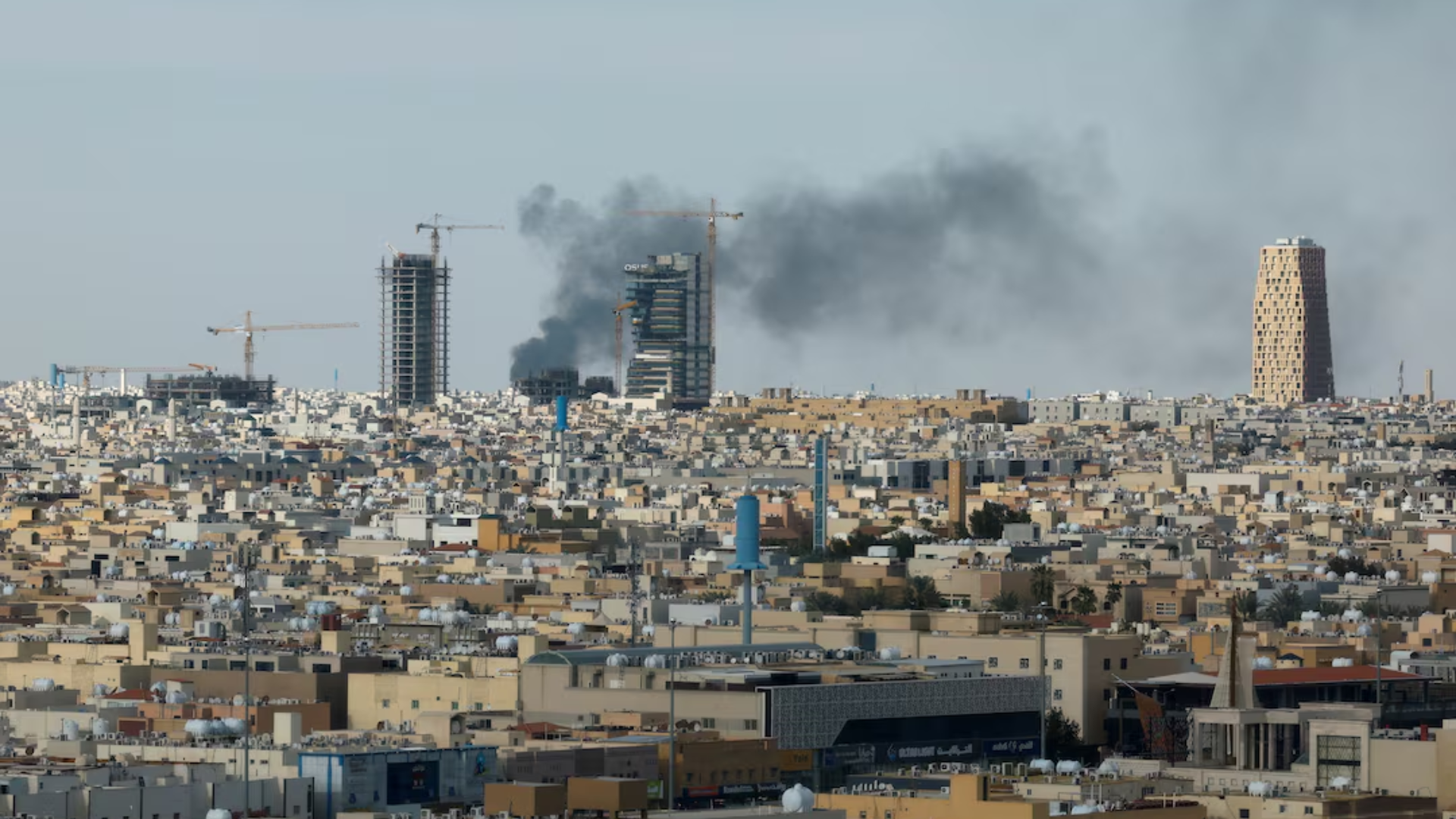
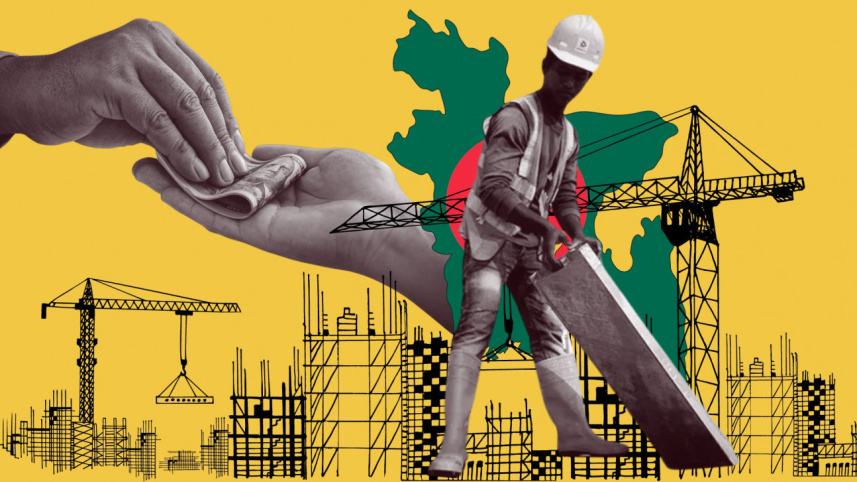
But his story, as personal as it is, is part of a bigger picture. Millions of Bangladeshis live in two places: in the villages and towns of Bangladesh, and in far‑off cities in the Gulf where they work to make ends meet.
Bangladesh is one of the world’s largest labour‑exporting countries. In 2025 alone, more than 11.3 lakh Bangladeshis migrated abroad for work, a 12 percent rise over the previous year, even as travel costs and global restrictions tightened.
Around 90 percent of them went to just five countries -- Saudi Arabia, Qatar, Singapore, Kuwait, and the Maldives -- with the Gulf accounting for about 81 percent of all overseas employment for Bangladeshis last year.
Their work is woven into the lives of countless families back home.
According to central bank data, remittances reached a record high of nearly $32.8 billion in 2025, the highest in 25 years, and continue strongly in 2026, helping pay for school fees, medicines, food, and homes under construction. Without this flow of money, many families would struggle to survive.
Still, the risks faced by Bangladeshis working abroad often go unnoticed.
According to the Wage Earners’ Welfare Board, over the past five years, more than 20,000 migrant workers’ bodies were repatriated, with nearly one-third classified as “abnormal” deaths -- including road accidents, workplace incidents, and suicides.
Around 700 of these deaths were reported as suicides, while BRAC reported that 150 migrant workers with severe mental disorders were deported from their destination countries and taken into their care during the same period.
Now, the US-Israel’s ongoing war on Iran has added a deadly new layer: as of today, at least 12 South Asian migrant workers have died in conflict-related incidents in Gulf countries, including five Bangladeshi nationals; and a minimum of 22 more Bangladeshis have been injured.

Overall, according to a March 12 AFP report, around 70 lakh Bangladeshis are working overseas, with the majority in the Middle East and Saudi Arabia hosting roughly two-thirds of them.
Many are living in densely populated cities and towns, where the threat of missile strikes and sudden disruptions has turned daily life into constant vigilance and anxiety.
Every morning is bringing uncertainty: construction sites, open roads, and bustling markets are now high-risk zones, with little shelter from debris or attacks. On top of that, most Bangladeshi workers share cramped dormitories or apartments, where surviving a sudden emergency is far from guaranteed.
 For all latest news, follow The Daily Star's Google News channel.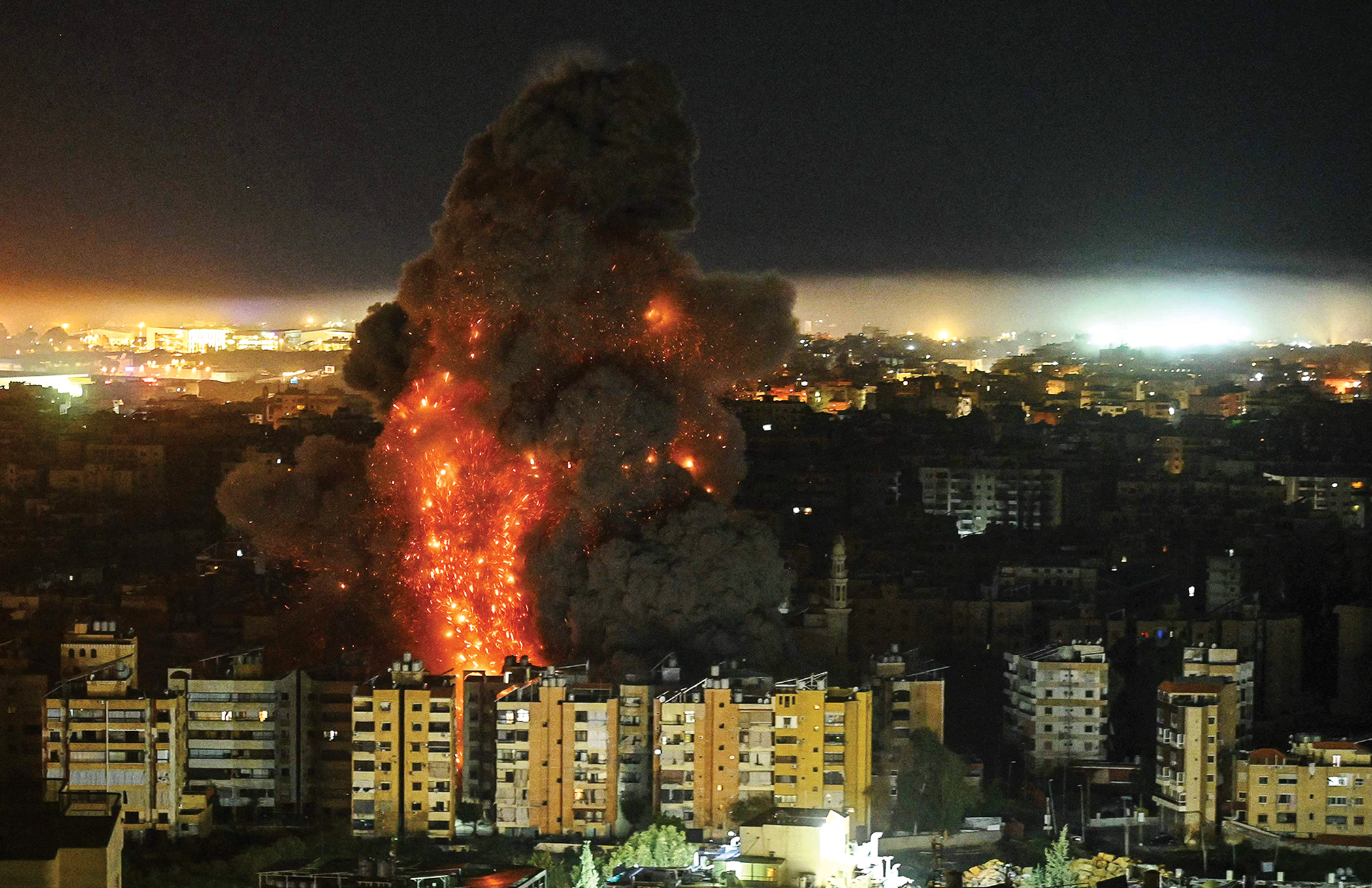
Families back home are feeling the anxiety sharply. Mothers are checking phones constantly, hoping for any news. Children are asking when their fathers will return. Even brief phone calls are tentative; reassurances are measured and fragile.
With Eid just around the corner, the usual warmth of celebration has been muted this year. Migrant workers are spending their days in constant fear, while their families in Bangladesh, who would normally be busy with preparations -- buying clothes, cooking special meals, and planning family gatherings -- are instead burdened with worry.
And yet, these Bangladeshis abroad will have to continue working outdoors, under the harsh sun and open skies, enduring exploitation, unsafe conditions, and long separations.
As a nation, we have so much to do for them. But what we must not do, especially in these trying times, is forget that behind the remittances and statistics are real lives that deserve dignity, protection, and the chance to come home alive and well.
Comments