



Luxury Living: Bangladesh Finally Has a Place for Its Finest
16 April 2026, 00:00 AM
Supplements
The Finest Things in Bangladesh Have Always Existed in Private
16 April 2026, 00:00 AM
Supplements

Planning your first global trip?
30 June 2026, 12:41 PM
Star Travels

Hill or sea? Home, I said
30 June 2026, 11:48 AM
Star Travels
What Bengal Made and Let Others Claim
6 July 2026, 17:52 PM
Supplements
10 no-nonsense lesson for your first trek
30 June 2026, 14:22 PM
Star Travels
Breaking the Blank Wall
24 June 2026, 14:11 PM
Your Property Guru
Secrets of Ancient Waterproofing
24 June 2026, 14:02 PM
Your Property Guru
Walking the hidden paths of Morocco
30 June 2026, 00:54 AM
Star Travels

Making homes smarter with home pods
24 June 2026, 00:43 AM
Your Property Guru
A nation’s daughters in peril
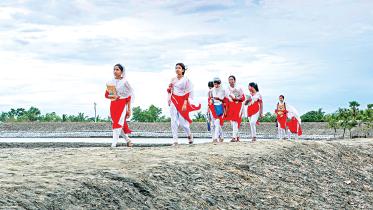
In a year shadowed by violence and uncertainty, Bangladesh’s girls have stood where courage is tested most. They are the first to lose when systems fail, yet the first to rise when the world needs rebuilding. From classrooms to clinics, protest lines to policy tables, they lead with resilience beyond their years.
10 October 2025, 18:00 PM

Zia Ashraf and Edmund Hillary Fellowship: Building bridges between Bangladesh and New Zealand’s startup worlds
Edmund Hillary Fellowship and leaders like Zia Ashraf are shaping a future where Bangladesh’s startups are not just companies but bridges connecting people, ideas, and markets.
9 October 2025, 12:53 PM

Bangladesh Bank cautions public against Sohozcash dealings
Sohozcash did not take permission from BB to launch MFS, says BB
6 October 2025, 16:29 PM

5 things teachers go through that goes unseen
Let’s see 5 things that teachers experience on a daily basis!
5 October 2025, 15:38 PM
Addressing the mental health crisis of our school teachers
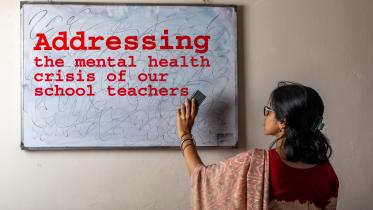
The mental health of school teachers remains one of the most pressing yet less discussed issues in our society.
5 October 2025, 04:30 AM

In honour of Teachers’ Day
On this Teachers' Day, we thank the ones who truly shaped our lives, our teachers.
5 October 2025, 04:19 AM

Healthcare system must focus on patient outcomes, not just service delivery data
Globally, health systems are beginning to recognise the limitations of traditional input and output indicators.
4 October 2025, 05:44 AM
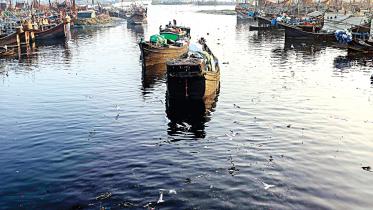
Land of (dying) rivers
On World Rivers Day, we look into the current state of our rivers and how these once majestic rivers are being held hostage to greed and negligence.
27 September 2025, 22:00 PM

Malaysia Airlines targets Top 10 by 2030
Dersenish Aresandiran, Chief Commercial Officer of Airlines at Malaysia Aviation Group, said this in an exclusive interview with The Daily Star
27 September 2025, 09:09 AM
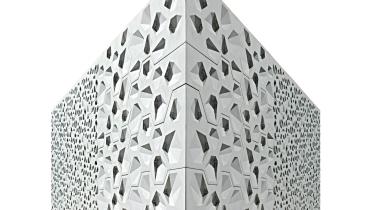
Starting Lines: Three Journeys in Design and Work
The skyline of tomorrow is not yet built. Its foundations are being laid not on construction sites, but in the bustling, late-night studios of our nation’s universities.
25 September 2025, 18:00 PM

Lego for grown-ups
Conventional construction methods traditionally require significant time and resources due to on-site processes and are often costly.
25 September 2025, 18:00 PM

The Invisible Gym
We’ve all seen it happen. Someone buys a full set of weights, a treadmill, maybe even one of those multi-station monstrosities, and six months later the whole thing is either draped in laundry or glaring at guests from the corner of the living room. Some of you reading this have seen this happen to treadmills.
25 September 2025, 18:00 PM

Breathing room or bottleneck?
The hum of Dhaka’s real estate market has grown uneven.
25 September 2025, 18:00 PM

Sealing the skies
In Dhaka’s rainy season, even a brand-new building can betray its owners. Picture a young family in Gulshan waking up to a steady drip from the ceiling after an evening storm.
25 September 2025, 18:00 PM

From bamboo experiments to global awards
Most people, on hearing this, react with disbelief. This is too good to be true.
25 September 2025, 18:00 PM

Editor's Note
We are delighted to welcome you to the latest issue of Your Property Guru, presented by The Daily Star.
25 September 2025, 18:00 PM

Guide to stress-free house shifting
At the beginning or end of every month, a familiar sight unfolds on our streets: moving trucks laden with the entire contents of a life, making their way from one chapter to the next.
25 September 2025, 18:00 PM

Algae lime paint for greener future
The paint industry is shifting as consumers increasingly choose eco-friendly options due to health and environmental concerns over traditional paints’ volatile organic compounds (VOCs). This demand is driving the sustainable paint market’s rapid growth. It is likely to reach a valuation of US$213.83 billion by 2033.
25 September 2025, 18:00 PM
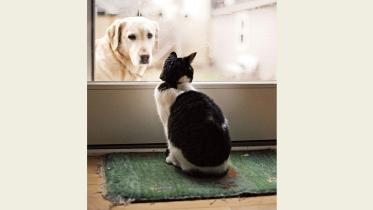
Pet-proofing homes in Dhaka’s high-rises
Owning a pet in Dhaka has always meant companionship, warmth, and a fair bit of chaos. But as the city has traded courtyards and rooftops for high-rise apartments, pet ownership has become more complicated.I’ve had animals all my life, from dogs and cats to, at one point, more birds than I could count.
25 September 2025, 18:00 PM
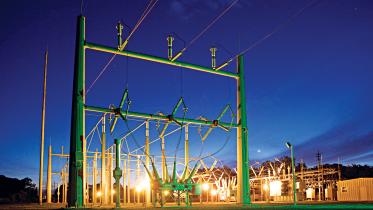
From Dhaka circuits to aussie grids
In this interview with The Daily Star, Tajrian Akther, a Dhaka University graduate now working as an Electrical Commissioning specialist in BHP South Australia’s Copper mines, shares her story of breaking into global opportunities.
25 September 2025, 18:00 PM