Why the disappearance of digital third spaces matters
For much of the early internet, online forums, chat rooms, fan sites, and message boards functioned as third spaces – places that weren’t home or work, but where people gathered, lingered, and formed community. They were messy, niche, and wonderfully human. You logged on after school, wandered into forums, chat rooms, fandom spaces, or niche blogs, and stayed because you wanted to. Today, many of those spaces have faded, fragmented, or been absorbed into corporate platforms that prize engagement metrics over genuine connection.
In 2024, Pew Research Center examined samples of webpages from 2013 through 2023 and found that about 25 percent of all pages sampled are no longer accessible as of late 2023. That figure rises when you look at older snapshots – roughly 38 percent of pages from 2013 have gone missing, compared with only about eight percent of pages from 2023 that are now unreachable. While this pattern of digital decay isn’t unnatural, the rapid erosion of digital third spaces isn’t just a nostalgic concern; it reshapes how we relate to one another, how we build relationships online, and even what “community” means in a highly commercialised internet.


One major reason digital third spaces are disappearing is platformisation and monetisation. The internet is no longer made up of small, semi-independent communities. Instead, it’s dominated by a handful of massive platforms – think Instagram, TikTok, and YouTube – that prioritise scale, profit, and data extraction. Algorithms have replaced chronological feeds, siloing users into hyper-specific bubbles. Metrics replaced conversation. Likes, shares, follower counts, and engagement rates turned social interaction into a measurable competition. Posting stopped being casual and started feeling strategic. Even personal expression started feeling stressful.
In contrast, older internet spaces ran on a different logic. You could disappear for weeks and return. You could lurk, post badly, change your mind, or reinvent yourself. Many of these spaces were anonymous or pseudonymous, which meant identity was flexible and low-stakes.
Maintaining these spaces took time, moderation, and often unpaid labour. As corporate platforms grew, smaller communities struggled to survive. Hosting costs rose. Moderators burnt out. Search engines began favouring big sites over independent ones. As a result, many older digital third spaces were acquired by bigger companies and stripped of their authenticity, shut down, over-moderated, or hollowed out. Slowly, the digital commons shrank.
Spaces that still exist, like Reddit or Discord, feel different now. They can still function as third spaces, but with caveats. Servers fracture, communities migrate, and conversations are increasingly shaped by platform rules, monetisation tools, moderation pressures, and censorship.
While moderation is essential for safety, scale often forces platforms to rely on automated systems and blanket rules. These systems struggle with context, cultural nuance, and good-faith conflict. Smaller communities once relied on people who knew the group, its history, and its values for moderation. As platforms grew, this became unsustainable, leading either to over-policing or neglect. In both cases, users disengage.
Another problem is the collapse of boundaries. In the past, your online third space wasn’t necessarily connected to your personal life. Today, everything feels searchable, screenshot-able, and permanent.
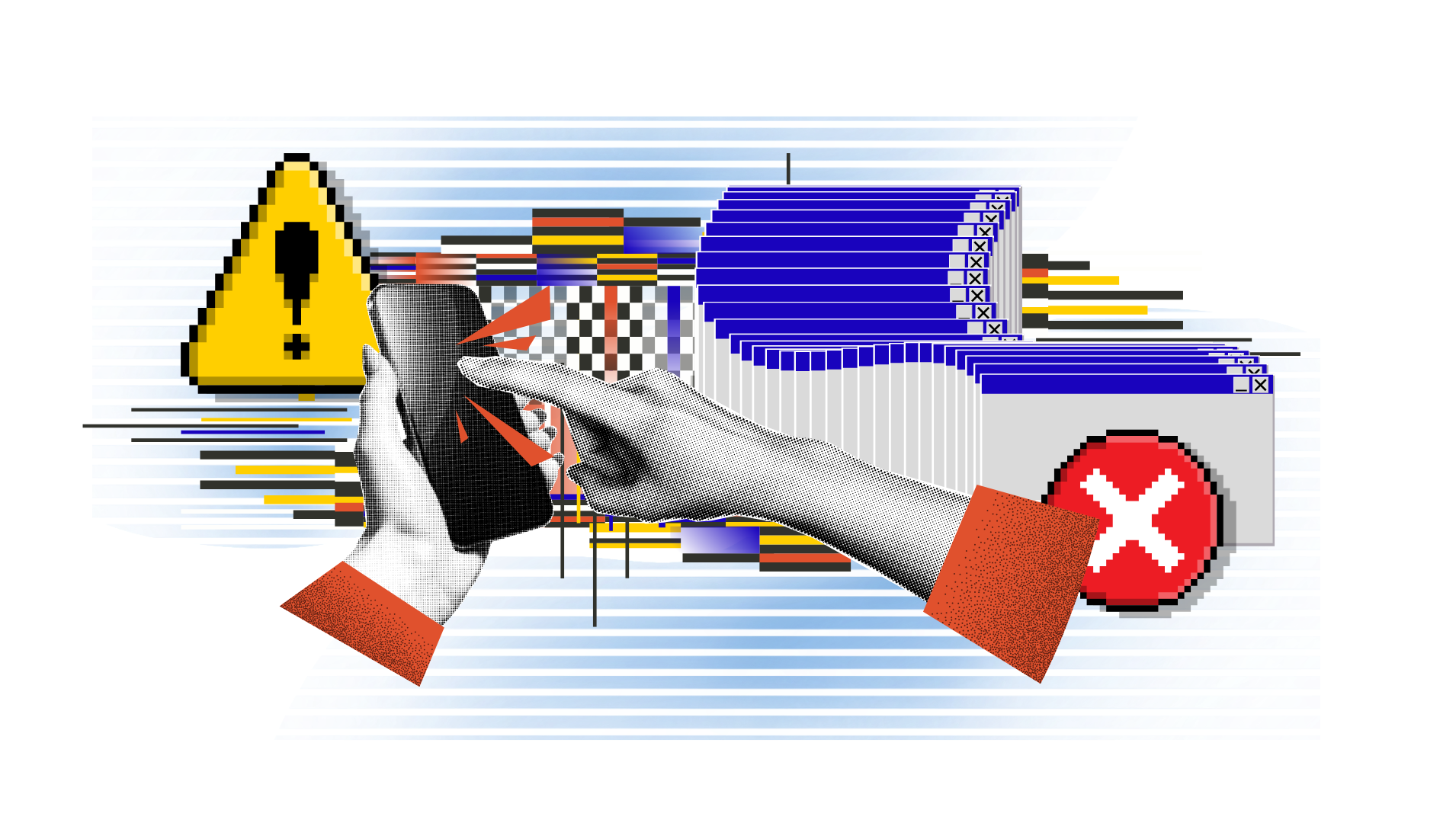
This creates a culture of self-censorship. People think twice before speaking freely, vulnerability feels dangerous, and people feel pressured to curate their identities.
Ironically, a hyper-connected internet has made many users feel more isolated. When every interaction is potentially public or monetised, casual connection starts to disappear.
Digital third spaces mattered, and still do, because they gave young people room to grow. They were places to try out ideas, discover interests, and meet people outside your immediate social circle. Without them, social life becomes split between private group chats and highly public platforms. Younger users, having grown up within platformised ecosystems, are often acutely aware of surveillance, algorithmic manipulation, and burnout. Many seek semi-private or ephemeral spaces as a response. Yet these alternatives remain fragile, constantly threatened by platform shutdowns or commercialisation.
Mental health is part of the equation, too. Constant performance and comparison can intensify anxiety and burnout. When you can’t just “log on and chill”, the internet no longer feels like an escape from these pressures but an extension of them.
The disappearance of digital third spaces raises a fundamental question: what do we want the internet to be for? If every space is optimised for profit, visibility, or efficiency, there is little room left for social life that is slow, uneven, and unproductive. Third spaces matter precisely because they allow people to exist without being optimised.
Reimagining digital third spaces does not necessarily mean returning to a nostalgic past. It means recognising that community requires certain structural conditions: persistence, accessibility, shared governance, and freedom from constant monetisation. It also means valuing smallness, friction, and care – qualities that run counter to the dominant logic of platform capitalism.
Ultimately, the disappearance of digital third spaces is not inevitable. It is the result of design choices, economic incentives, and cultural priorities. If the internet is to remain a place for genuine social connection, those priorities may need to change. Otherwise, we risk losing not just platforms, but the quiet, sustaining spaces where people once gathered simply to be together.
Reference:
Pew Research Center (2024). When Online Content Disappears.
Nuzhat is a compulsive doodler and connoisseur of bad early aughts television. Send her recommendations at nuzhat.tahiya@gmail.com
 For all latest news, follow The Daily Star's Google News channel.
Reader Submission / The positive impact of pets on children's development

Pop Culture / Making smartphones cinematic: The Park Chan-wook Way

Father's Day / The love language of my father
Star Youth / How social media and technology have changed how we mourn losses

Star Youth / The return of Y2K culture: what does this mean for us now?

Star Youth / The rise of rage bait entertainment

Star Youth / Why do we expect artists to perform humility?

Eid / Eid away from home

Star Youth / Pimple patches as a practical fashion accessory