


A Wake-Up Call for Bangladesh
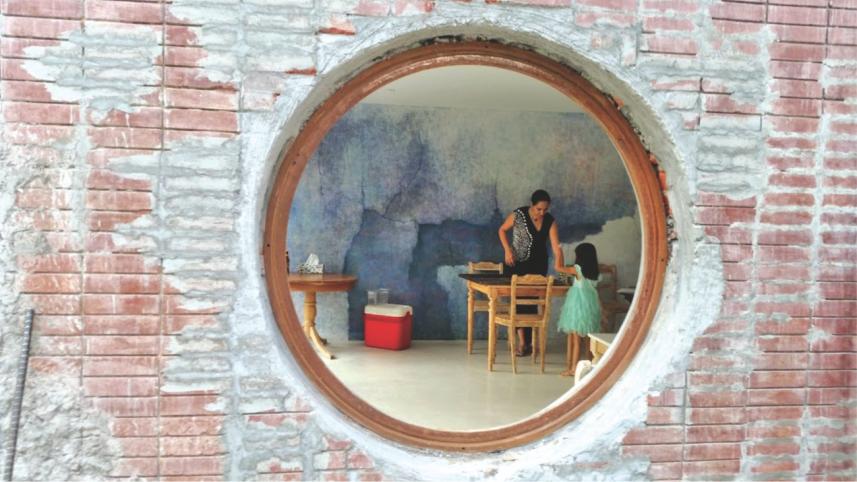
On 1 July 2016, six to eight gunmen were reported to have entered the Holey Artisan Bakery in the Bangladesh capital's up market Gulshan area. Their mission was clear - to kill as many foreigners as possible for as much publicity as possible. Soon after the bakery was taken over, the majority of the foreigner hostages were separated from the locals and within hours they were brutally executed. Their task done, the gunmen quietly waited to be arrested or killed. Late into the night the authorities managed to hobble together a team of 100 commandos and almost 12 hours later at 7.30 the following morning, the commandos entered the bakery killing 6 gunmen. 13 hostages, mostly Bangladeshis, were freed. Both the Islamic State and Al Qaeda in the Indian Sub contintent claimed responsibity.
The authorities have not been forthcoming with information on the attack and in fact has added to the post-attack confusion. The country for its part is not looking to the government either for information or answers, choosing instead to rely on private news channels and the social media. And the social media has been swift in identifying the attackers and reporting on the casualties. The identities of the attackers were only released by the police when the entire country had already found out from Facebook. Then of course there was controversy surrounding the chef who was quite clearly killed by commandos whilst storming the bakery. Yet the police attempted a half-hearted cover-up of their mistake by describing the chef as a gunman. This too was exposed by social media.

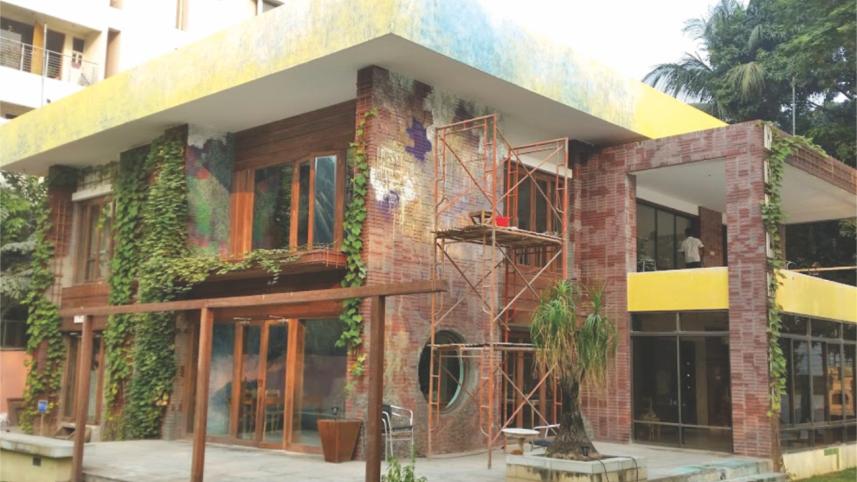
The most worrying information to come out from this attack however is that some of the gunmen obtained their schooling in one of the leading English medium schools of the country. This has challenged established notions about who becomes a terrorist and why. There had been some evidence in the past of radicalisation amongst university students. Students of the leading private university, North South had planned the murder of an atheist blogger in 2013. But this radicalisation had not extended to English medium students, who are brought up on a British curriculum, enjoy western lifestyles and hope to complete some portion of their tertiary education in the West. Two of the bakery gunmen were educated at Scholastica, the school which I attended right through the 1990s and from where I appeared for my O levels and A levels. My classmates and I - as I now recall - had led pretty protected lives. Our social interaction outside school and school friends was limited. We spoke in English both in and outside school. We grew up on a healthy diet of Enid Blyton and P.G. Wodehouse. And in a hangover from our colonial past we were introduced early on to the works of Kipling. At 12 years of age we read Kim, the story of an Irish boy raised on the streets of Lahore spying for the British Raj. The book understandably had very clear views on the benefits of the British imperialism and who was right during sepoy mutiny of 1857. My point is growing up, English medium students identifed themselves more with the West.
And it appears from the information coming from social media, that the bakery gunmen were no different. In their former lives, the gunmen enjoyed partying, dancing and music. They were ordinary young men who knew how to have fun. The fact that they were susceptible to radicalisation has therefore shocked many. However, according to a research document of MI5's behavioural science unit (reported in the UK Guardian), far from being zealots a large proportion of radicalised terrorists do not practice their faith regularly. They are rarely brought up in strongly religious households. They lack religious literacy and could be described as 'religious novices'. In fact the Guardian reports that according to MI5 there is evidence that a well-esablished religious identity actually protects against violent radicalisation.
This must come as a relief to the vast network of Madrasas and their students who have been blamed each time there has been an attack on atheists or minorities. While Madarasa students have been responsible for some of the attacks, there has been a tendency to conflate isolated instances into a condemnation of the entire Madarasa education system. What the MI5 study now shows is that English medium students are ideal targets for radicalisation by extremist organisations. Their lifestyle and their appreciation of the West make them vulnerable to overtures from the Islamic State and Al Qaeda who offer them a sense of meaning and prupose and according to MI5 inculcate a “misguided belief that participation in jihad might help to atone for previous wrong doing.” According to MI5 it is their very religious naivety that makes them particularly vulnerable. A western education therefore can no longer be seen as protection against radicalisation. Moreover, the mass and indiscriminate arrests in the weeks preceding these attacks, not only lacked legality but have also been spectacularly ineffective. And as the bakery attack has shown terrorist can spring up from places where one least suspects. The government and the law enforcement agencies should therefore consider working with communities, religious leaders and mosques in devising strategies to identify and deal with early signs of radicalisation in young people.
 For all latest news, follow The Daily Star's Google News channel.
Comments