


Chrononutrition: Why meal timing matters more than you think
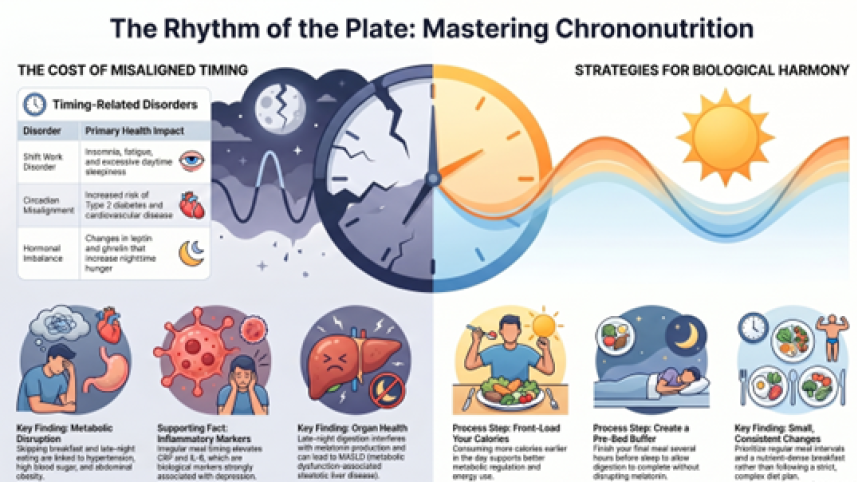
We often focus on what we eat, but rarely stop to consider that when we eat may matter just as much. In today’s fast-paced world, many people skip breakfast, grab a hurried lunch, and sit down for a heavy late-night dinner after a long day at work. At first glance, these habits may seem harmless. Over time, however, they can significantly affect overall health and well-being.
To understand why meal timing matters, it is important to explore the concept of chrononutrition. The human body operates according to a 24-hour circadian rhythm — an internal biological clock that regulates sleep–wake cycles, hormone secretion, metabolism, digestion, and body temperature. Chrononutrition is an emerging field that examines how the timing of meals influences these physiological processes. It also explores practices such as intermittent fasting, meal skipping, and changes in breakfast or dinner schedules.

Breakfast, generally considered the first meal after waking, plays a particularly important role. Research suggests that regularly skipping breakfast may increase the risk of high blood pressure, elevated blood sugar, abdominal obesity, high triglyceride levels, and low HDL (“good”) cholesterol. Unfortunately, breakfast is often sacrificed in the rush of modern life.
Late-night eating poses another challenge. Eating heavy meals late in the evening can disrupt the body’s circadian rhythm and lead to what is known as circadian misalignment. This disruption has been linked to obesity, type 2 diabetes, and cardiovascular disease. When the body should be preparing for rest, digestion continues actively, potentially interfering with the production of hormones such as serotonin and melatonin, both of which are important for sleep and mood regulation.
Irregular meal timing may also trigger inflammation in the body. Studies have shown elevated levels of inflammatory markers such as C-reactive protein (CRP) and interleukin-6 (IL-6) among people with inconsistent eating schedules. These inflammatory processes have been associated with depressive symptoms and poorer metabolic health. In addition, disrupted meal timing can reduce insulin sensitivity and impair fat metabolism, contributing to fat accumulation in the liver. Over time, this may increase the risk of developing MASLD (Metabolic Dysfunction-Associated Steatotic Liver Disease), a growing chronic liver condition worldwide.
Meal timing becomes even more important for people who work night shifts or rotating schedules. Many shift workers experience “Shift Work Disorder,” a condition characterised by insomnia, fatigue, excessive daytime sleepiness, and disruption of the normal sleep–wake cycle. Sleep deprivation alters hormones such as leptin and ghrelin, which regulate hunger and satiety, often leading to increased cravings for sugary drinks and unhealthy snacks during late hours.
The encouraging news is that improving meal timing does not necessarily require a strict or complicated diet plan. Small, consistent changes can make a meaningful difference. Eating meals at regular times, starting the day with a healthy breakfast, avoiding heavy late-night dinners, and finishing dinner at least a few hours before bedtime are simple habits that may support better metabolic health and sleep quality. Chrononutrition does not promote a one-size-fits-all approach, as nutritional needs vary according to age, occupation, lifestyle, health conditions, and cultural practices. Nevertheless, growing evidence suggests that consuming a larger proportion of daily calories earlier in the day may support healthier metabolism.
Chrononutrition reminds us of something we often overlook: health depends not only on what we eat, but also on when we eat. In a world shaped by busy schedules and irregular routines, returning to more regular mealtimes may be one of the simplest yet most effective ways to support metabolism, improve sleep, and enhance overall well-being.
Satakhi Mondal is a student of the Department of Food and Nutrition at the Government College of Applied Human Science, Dhaka. E-mail: satakhimondal05@gmail.com
 For all latest news, follow The Daily Star's Google News channel.
Comments