


Tardelli’s scream

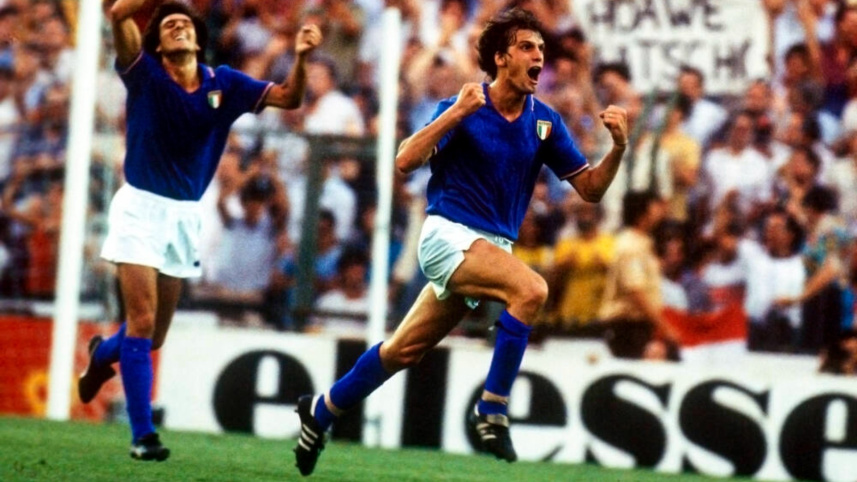
When does a person cry? When they lose, or when they finally gain? Or perhaps both.
But there are moments when the joy of achieving something gets so overwhelming that it borrows the language of tears. Those tears are no longer of sorrow, but a testimony to a lifetime of struggle. It was such a moment that gave birth to a scream -- not just a sound, but history itself.

In the summer of 1982, the footballing world heard that sound.
There are words that live inside us, never spoken aloud. They gather over years, layer upon layer, as time moves on. And then, in one sudden instant, in one explosion, they all come rushing out together -- incoherent, uncontrolled, yet undeniably true.
The evening sky over Madrid was softening into dusk. Waves of noise rolled across the stands, yet on the pitch time seemed frozen in a tense stillness. On one side stood West Germany, with nerves of steel and attacks as precise as a machine. On the other, Italy -- a perfect blend of romance, artistry, and raw emotion.
The Azzurri, having stumbled at the start of the tournament, had ridden the magic of Paolo Rossi all the way to the final. But to kiss that golden trophy, they still had to break through an impenetrable wall. And preparing to deliver the decisive blow from midfield was a tireless warrior -- Marco Tardelli.
The clock showed 69 minutes.
Italy were ahead by the odd goal, but against opponents like the West Germans, a one-goal lead is never secure. Every pass, every touch felt calculated -- one mistake could undo everything.
Then, Italy’s legendary defender Gaetano Scirea suddenly surged forward, stepping out of his shell into enemy territory. Just outside the box, the ball reached Tardelli’s feet. The air seemed to stand still. West Germany defenders closed in, their breath hot on his neck -- a fraction of an error and it was over. But in that split second, the Juventus midfielder rose above all earthly calculations. He controlled the ball in a flash, twisted his body slightly, and unleashed a ferocious left-footed volley. The ball sliced through the air, leaving West Germany goalkeeper Toni Schumacher a mere spectator as it crashed into the right corner of the net.
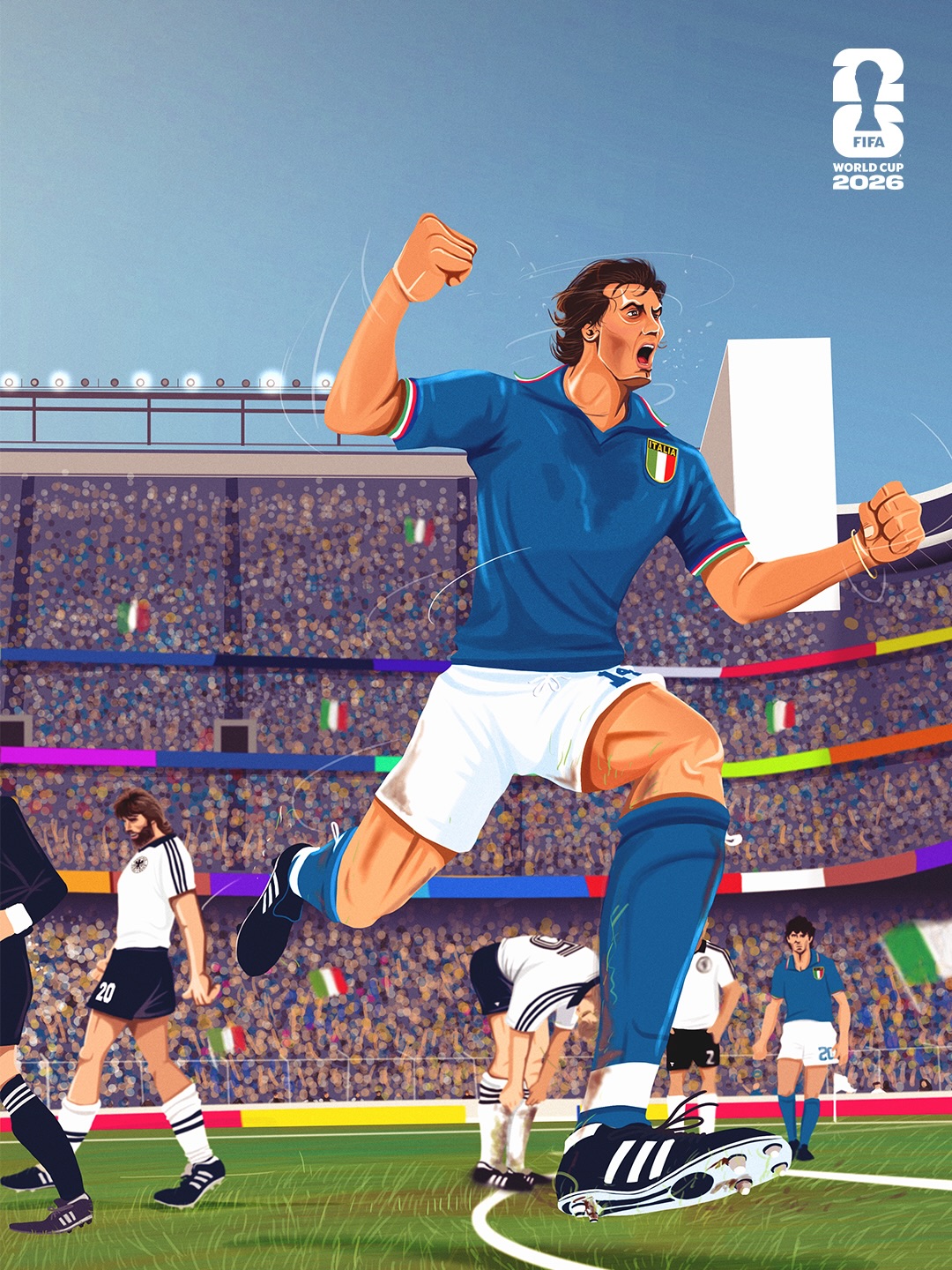
What followed remains one of the most beautiful, most poetic moments in football history.
In an instant, Tardelli’s body language transformed. He forgot this was one of the greatest battles ever played, forgot the deafening roar of the crowd and even the royal presence in Spain. Ignoring his teammates, he began to run towards the Italian dugout. That wild sprint, that primal roar -- forever immortalised as “Tardelli’s Scream,” or “L’urlo di Tardelli”.
This was not merely a celebration of putting a ball into a net. In that scream lived the untold story of a poor boy from Careggine, a small village in Tuscany, conquering the world. A boy who once played barefoot on dusty fields, who was told time and again by his father, “Football will never feed you -- find real work.” And yet, here he stood, king of the world stage. In that earth-shaking cry echoed every deprivation, every rejection, every relentless chase of a dream.
As he ran, his clenched fists seemed to punch through all the failures of his past. The tears in his eyes were not just of joy -- they were molten lava of years of buried pain. From delivering pizzas in his youth to working as a waiter in restaurants, every drop of sweat found its fulfilment in that single run. In one fleeting moment, life’s accounts were settled.
He was crying, laughing, screaming -- as if pouring his very soul onto the green canvas of the Bernabeu.
 For all latest news, follow The Daily Star's Google News channel.
Comments