


Penalty miss and its ugly aftermath

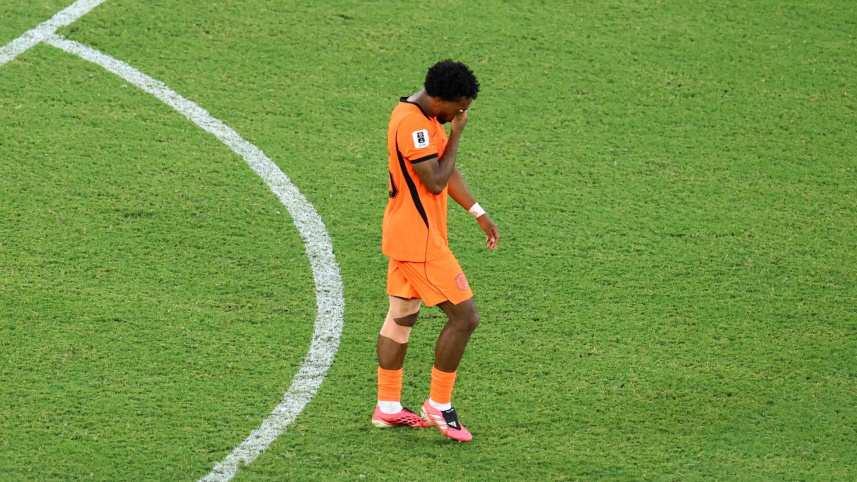
Penalty shootouts have always been one of football's cruellest examinations.
After 120 minutes, months of preparation, and often, years of sacrifice, an entire nation's dreams can rest on a kick from 12 yards. History celebrates those who convert, but it hardly forgets those who falter.
What has changed in recent years is not the penalty itself, but the aftermath.

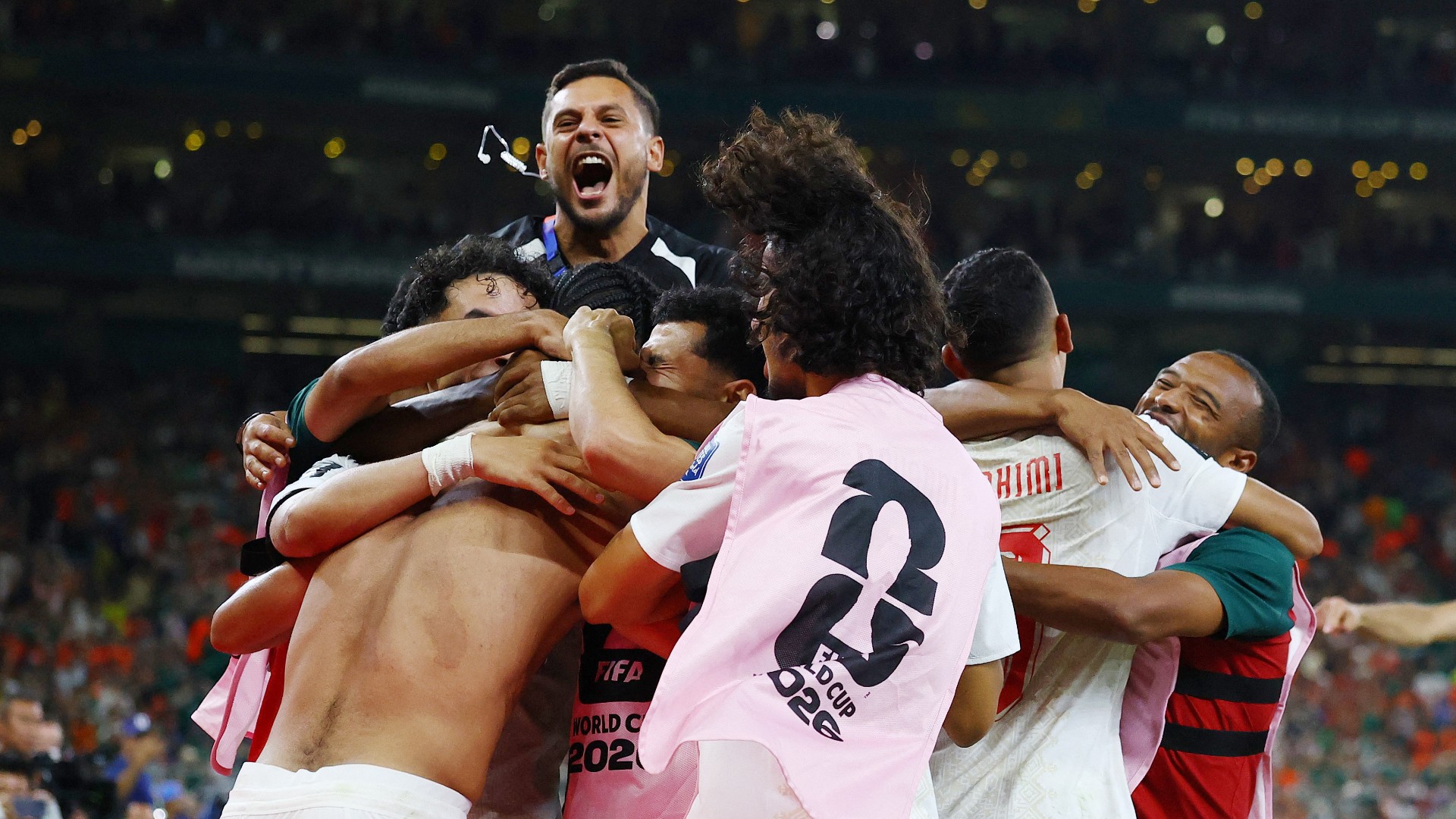
Following the Netherlands' penalty shootout defeat to Morocco in the 2026 World Cup Round of 32, former Dutch international Clarence Seedorf released a video message that quickly spread across social media. Rather than dissecting tactics or apportioning blame, the three-time Champions League winner addressed something far more troubling: the torrent of racial abuse directed at three Dutch players of African heritage – Quinten Timber, Justin Kluivert, and Crysencio Summervile – after they failed from the spot.
The Dutch legend chose to deliver his message in English rather than his native language so it could reach as wide an audience as possible. In doing so, he recalled the aftermath of Euro 2020, when England's Marcus Rashford, Jadon Sancho and Bukayo Saka were subjected to racist abuse after missing penalties in the final against Italy.
Sadly, such episodes are no longer isolated as they continue to play out again and again in Europe and across the world -- sometimes in the form of abuses hurled from the stands, other times through online bullying.
Football often describes penalties as a lottery. Even the game's immortals have stumbled from 12 yards. Roberto Baggio's miss in the 1994 World Cup final remains one of football's most haunting images. Michel Platini, Zico, Lionel Messi, Cristiano Ronaldo and countless others have all known the agony of failing from the spot.
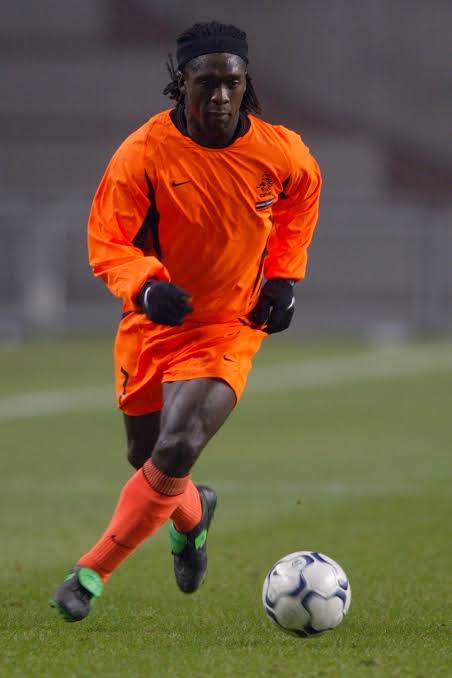
Seedorf himself endured similar heartbreak for the Netherlands, a nation with a fraught relationship with penalty shootouts.
Yet not all missed penalties are apparently judged equally.
Increasingly, those who bear the harshest abuse are players from immigrant families or ethnic minority backgrounds. The footballing error soon becomes incidental. Instead, their ethnicity, nationality or family origins are thrust under the spotlight.
That is where the contradiction becomes hard to ignore.
The truth is that modern European football would look very different without immigration.
More than half of the Netherlands squad at this World Cup either come from immigrant families or have parents born abroad. France, arguably the dominant international side of the past three decades, provides an even more compelling example.
When France lifted their first World Cup in 1998, the squad became known as Black-Blanc-Beur – Black, White and Arab – a reflection of the country's multicultural identity. Around two-thirds of that team traced their family roots to Algeria, Senegal, Guadeloupe, Martinique, Armenia and elsewhere.
Two decades later, when France were crowned world champions again in Russia, that diversity remained one of their greatest strengths.
Germany's World Cup-winning side of 2014 featured Mesut Ozil, Sami Khedira, Jerome Boateng and Miroslav Klose, whose family histories stretched well beyond Germany's borders. Belgium's so-called golden generation was similarly multicultural, while England's resurgence has been driven by players drawn from an equally diverse background.
This is no longer unusual; it is how European football looks today.
Yet as immigration has become one of Europe's defining political fault lines, football has increasingly mirrored those wider tensions. National teams celebrate diversity when they win, only for defeat to reignite questions of identity and belonging.
Football has long been celebrated as one of the few arenas capable of uniting people across race, religion and culture. Few events illustrate that better than the World Cup, which is precisely why the abuse that follows a penalty shootout feels so concerning.
 For all latest news, follow The Daily Star's Google News channel.
Comments