


Mission possible: Mbappe and Deschamps echo the glory of 1998
France’s 1998 World Cup triumph was built on a relationship that defined an era: the bond between Aime Jacquet and Didier Deschamps.
Jacquet trusted his captain not merely to organise the midfield but to embody the values of the team, becoming the bridge between the coach’s vision and the dressing room’s reality. Nearly three decades later, football history appears to be repeating itself. Only this time, Didier Deschamps occupies the dugout, and Kylian Mbappe has become the figure entrusted with carrying the ambitions of an entire nation.

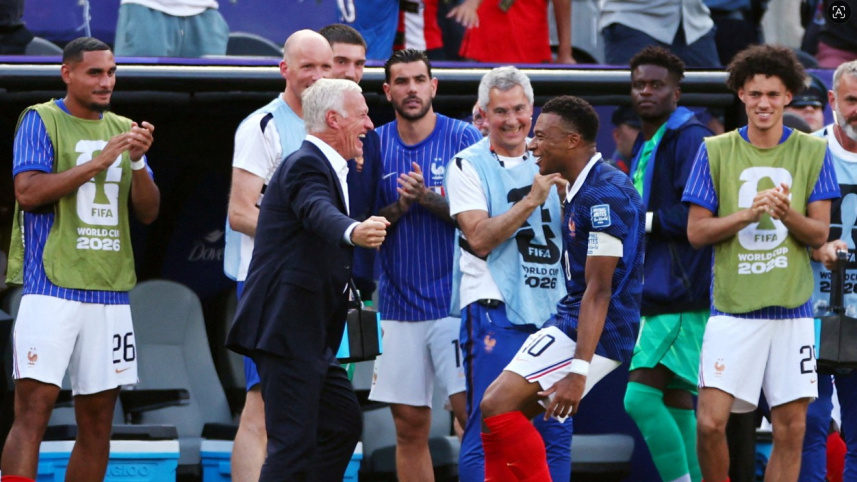
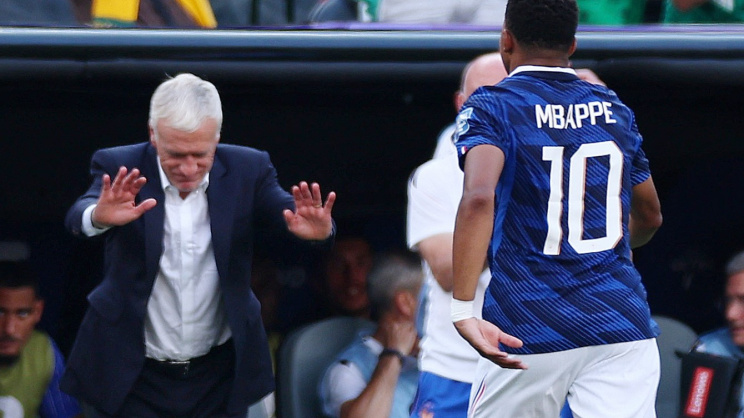
France’s emphatic 3-0 victory over Sweden was significant not only because it secured progression to the last 16 but because it revealed something deeper about the character of this French side. When Mbappe opened the scoring, he did not celebrate alone. Instead, he sprinted directly toward Deschamps, embracing the coach who had returned just four days earlier after attending his mother’s funeral. Soon, every player followed, surrounding their manager in a collective gesture of solidarity.
It was more than an emotional moment. It was evidence that this French squad has developed an identity built around shared purpose.
At the centre of that purpose stands Mbappe.
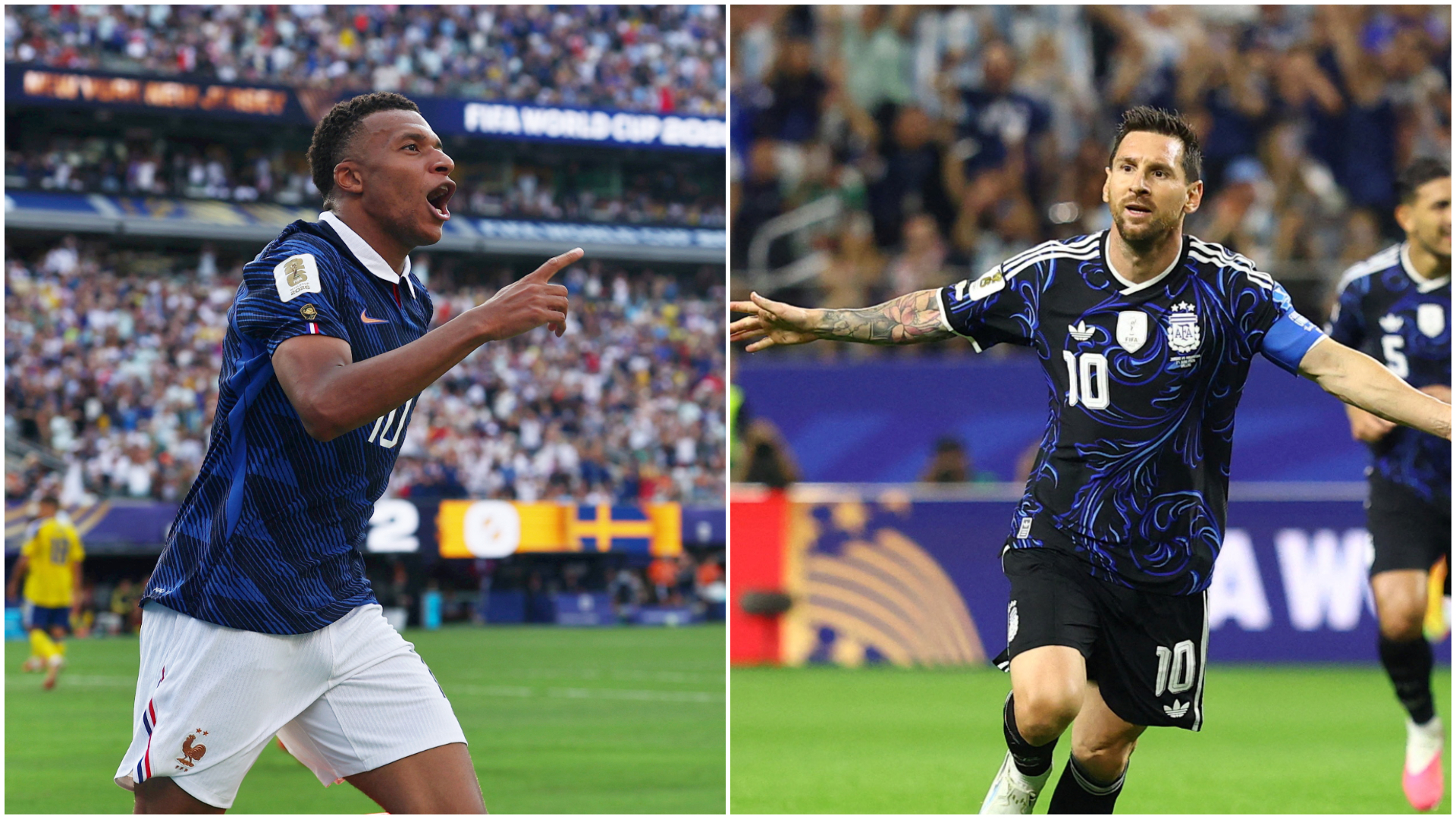
The statistics are striking. Six goals and two assists in four matches underline his attacking brilliance, while France’s tally of 13 goals in four games illustrates the potency of a team widely regarded as the tournament’s benchmark. Yet Mbappe’s influence extends beyond numbers. The player often criticised at club level for supposed individualism has evolved into a leader determined to bring everyone with him.
The scars of Lusail still linger. Mbappe’s remarkable hattrick in the 2022 World Cup final against Argentina was not enough to prevent France from surrendering their crown. That defeat appears to have altered his perspective. Four years later, he is no longer attempting to win the World Cup through individual brilliance alone. Instead, he is trying to create a collective capable of overcoming the limitations that even the world’s best player cannot transcend by himself.
His actions have reflected that transformation. He publicly defended Ousmane Dembele during difficult periods, encouraged Michael Olise after a costly missed opportunity against Sweden, and demonstrated a growing willingness to contribute defensively.
Deschamps has noticed the evolution.
“Kylian knows how to defend. He scores goals too -- more than anyone else. I told you from day one: he's on a mission. Even if you don't always hear me say it... Even in the fitness drills, he was finishing first,” the France coach said.
Deschamps also challenged the public perception surrounding his captain.
“I said a long time ago that he has embraced his role as captain. The image people may have of him from the outside doesn't always -- in fact, only rarely -- reflect who he really is.”
Those comments matter because they echo the dynamic that once existed between Jacquet and Deschamps in 1998. Great international teams are often built around trust between coach and captain. They require someone inside the dressing room capable of translating tactical instructions into collective belief.
Mbappe appears to have become that figure.
The 27-year-old himself speaks with a maturity that suggests a player conscious of his responsibilities.
“I’m fully aware of what’s at stake, where I am and what I have to do. The team knows what it has to do here as well,” he said after defeating Sweden.
His words about Deschamps perhaps reveal even more about France’s mentality.
“That’s the DNA of this group. We’re all in this together. The coach has gone through something that, unfortunately, everyone experiences at some point in life. It’s incredibly difficult. He’ll never be alone with us. We’ll support him.”
 For all latest news, follow The Daily Star's Google News channel.
 France’s quality has been undeniable. They reached the knockout phase with a perfect nine points, and even Sweden manager Graham Potter admitted: “I personally haven't seen a better team.”
Yet Deschamps refuses to indulge in complacency.
“We’re not going to get carried away. We’ll enjoy being here, then come back down to earth within 48 hours,” he warned.
He is right to remain cautious. Despite scoring 13 goals, France have occasionally looked vulnerable defensively. Deschamps acknowledged that his side conceded “a few too many chances,” even while praising Mike Maignan’s outstanding performances.
Still, perhaps the most compelling aspect of this French team is not its technical superiority but its collective spirit.
“There’s a very strong connection when we have the ball against deep-defending opponents, and when we lose it everyone is willing to work hard. Everyone is involved,” Deschamps said.
Perhaps that is what separates contenders from champions.
In 1998, Jacquet relied on Deschamps to carry the soul of France onto the pitch. In 2026, Deschamps appears to have found his own lieutenant in Mbappe. The parallels are difficult to ignore. The captain is scoring, leading, protecting teammates and setting standards.
Deschamps summed up the mood best: “They’re on a mission, and I’m on a mission with them.”
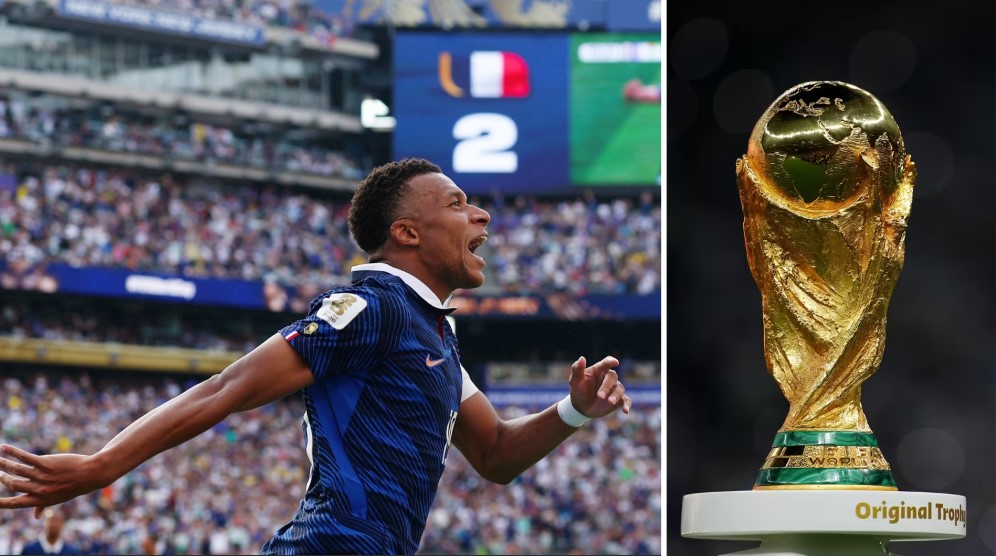
If France are to lift a third World Cup trophy, history suggests they may do so the same way they conquered the world twenty-eight years ago -- through an unbreakable alliance between the man on the touchline and the man wearing the captain’s armband.
Comments