


Heroes who wear gloves

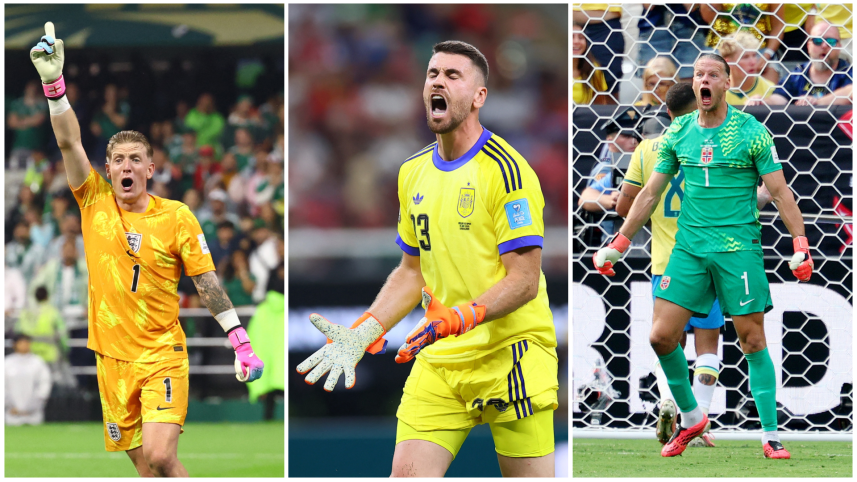
The FIFA World Cup has always belonged to football's great attackers. Every tournament is remembered through iconic goals, breathtaking dribbles and the forwards who defined an era.
Yet the defining story of 2026 has unfolded at the opposite end of the pitch.

From record-breaking clean sheets and heroic penalty saves to breathtaking one-on-one stops, goalkeepers have repeatedly stolen the spotlight. Far from being a coincidence, it is the product of football's tactical evolution, meticulous preparation and a tournament format that has placed unprecedented demands on the last line of defence.
No goalkeeper embodies that shift better than Spain's Unai Simon.
By shutting out Portugal 1-0 in a high-stakes clash, Simon guided La Roja to a historic sixth consecutive World Cup clean sheet. In doing so, he extended his personal scoreless streak to a remarkable 609 minutes, eclipsing Walter Zenga's iconic 36-year-old record.
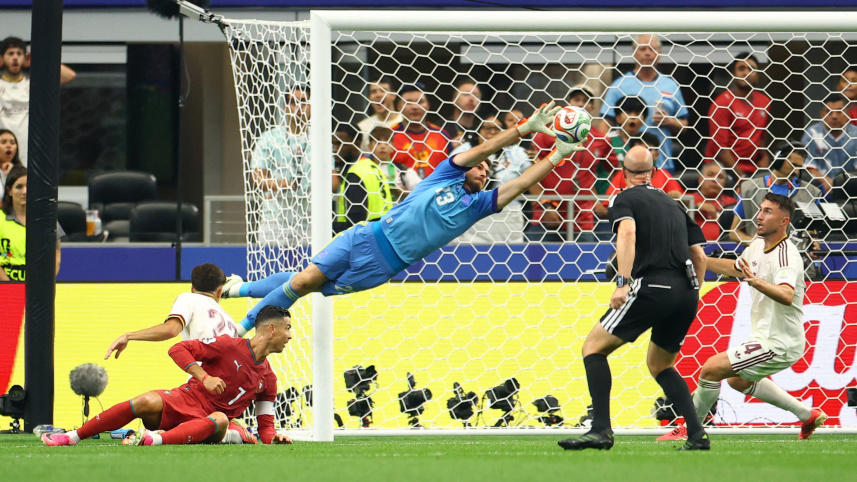
The achievement owed as much to anticipation as athleticism. The Spaniard rarely requires spectacular saves because his positioning closes passing lanes and narrows shooting angles before danger fully develops. He has become the perfect illustration of how modern goalkeeping is increasingly won through intelligence rather than instinct.
The expanded 48-team tournament has also created the ideal environment for goalkeepers to shine.
With more emerging nations qualifying, the gap between favourites and outsiders has inevitably widened. Many underdogs have accepted long spells without possession, defending in compact blocks and trusting their goalkeeper to withstand relentless pressure. Rather than being overwhelmed, many have thrived under it.
Few performances captured that resilience better than Curacao's Eloy Room. Just days after conceding seven goals against Germany, the 37-year-old responded with a stunning 15-save display against Ecuador, equalling the all-time World Cup record for saves in a 90-minute match and earning his country a historic first point at the tournament.
Cape Verde's veteran Vozinha delivered another reminder that experience remains invaluable. The 40-year-old frustrated Argentina with a magnificent seven-save display across 120 minutes, repeatedly denying the world champions and helping drag the tie into extra time before Cape Verde eventually bowed out.
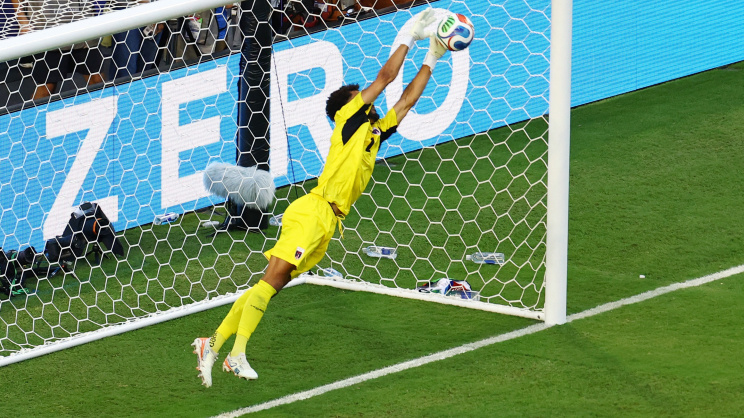
Iran's Alireza Beiranvand produced a similarly commanding performance against Belgium, underlining another truth about tournament football: goalkeepers from smaller nations often play with a freedom unavailable to their counterparts representing favourites. Every save builds belief, shifts momentum and gradually transfers pressure back onto the opposition.
The knockout rounds have shown that the elite are no less reliant on exceptional goalkeeping.
Norway’s Orjan Nyland produced one of the most stunning individual performances of the entire tournament against five-time champions Brazil. Under a relentless siege, Nyland produced a string of point-blank saves in regular time before delivering ultimate penalty shootout heroics, denying Brazil from the spot to seal an iconic knockout upset.
Similarly, when reduced to ten men against Mexico inside a hostile Azteca Stadium, England looked destined to surrender their lead. Jordan Pickford's succession of outstanding saves preserved England's advantage and transformed the emotional direction of the match, allowing Thomas Tuchel's side to survive one of the tournament's sternest examinations.
Behind these performances lies years of evolution.
Goalkeeping has become one of football's most specialised disciplines, with coaches analysing opponents' shooting habits, body shape and preferred finishing angles in microscopic detail. Positioning, footwork and anticipation are rehearsed relentlessly, while even the notes taped to water bottles before penalty shootouts are backed by extensive data analysis.

The role itself has evolved too.
South Africa's Ronwen Williams illustrated that against Canada by completing 77 passes, breaking Manuel Neuer's World Cup record and reinforcing that today's goalkeeper is expected to launch attacks as comfortably as stop them.
Goals will always be football's defining currency. They remain the moments replayed for generations and the images that become part of World Cup folklore. But every great goal needs someone trying to stop it.
At World Cup 2026, the men wearing gloves have not merely protected leads or preserved clean sheets. They have shaped matches, inspired underdogs and, in many ways, defined the tournament itself.
 For all latest news, follow The Daily Star's Google News channel.
Comments