


A goal, a cradle, a moment beyond football

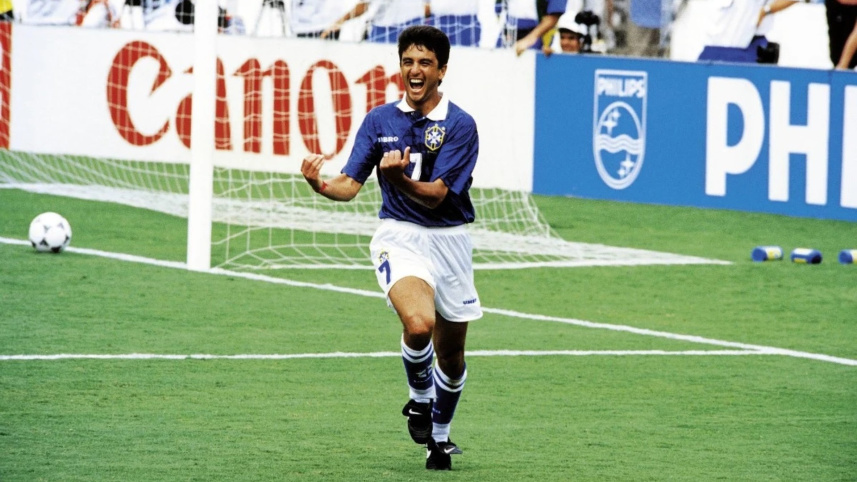
What if, amid the thunder of a battle, a shepherd’s flute suddenly began to play? What if amidst the deafening roar of a World Cup match, the protagonist stops for a moment, and begins celebrating as if there is not a worry in this world? His fists no longer punching the air; instead, falling gently to his chest, cradling something unseen?
It was July 9, 1994. The blazing Texas sun baked the Cotton Bowl in Dallas. In a World Cup quarterfinal, Brazil faced the Netherlands. Every nerve was taut, every breath carried the heat of battle.

In the 53rd minute, a slender, almost angelic Brazilian slipped free, slicing through the Dutch offside trap as if by magic.
His run was like a gust of wind tearing through a forest. Ahead stood only the Dutch goalkeeper, Ed de Goey, like an unyielding wall. Yet he eased past that barrier with the grace of an artist, before gently placing the ball into the empty net with a touch as soft as a smile. Brazil’s number seven, Bebeto, drove in the second nail in the Dutch coffin.
But the sight of the ball rippling the net was soon eclipsed by something far more extraordinary.
There was no fierce roar from Bebeto. Instead, he ran towards the touchline, his hands already forming an invisible cradle against his chest.
Just two days earlier, thousands of miles away, his wife had given birth to a son. A father, away on national duty, had not yet held his newborn child. All the longing, all the quiet ache of that distance, seemed to pour out under the Dallas sun.
Bebeto rocked his empty arms with infinite tenderness. In that moment, he was no longer a footballer, but simply a father, gently lulling his child across continents with threads of imagination, as if to say: this goal, this joy – you are above it all.
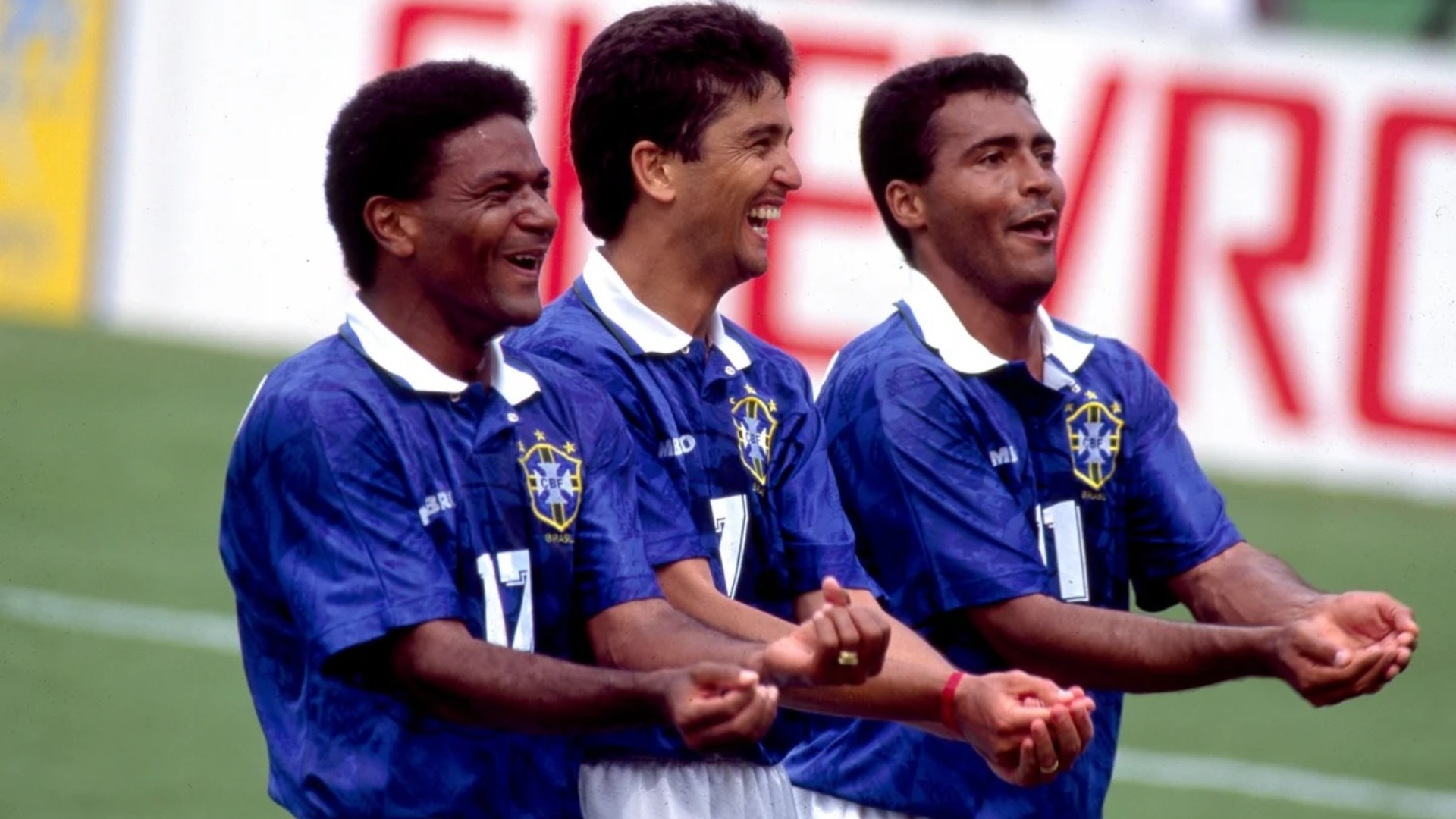
Then, as if completing a moment of magic realism, two more figures joined him – Romário and Mazinho. They stood beside him and mirrored the gesture, swaying their arms in unison. Three grown men, fierce competitors on the football pitch, now stood in a line, rocking an invisible baby to sleep.
The thousands in the stadium, and the millions watching on television, seemed momentarily spellbound.
In a World Cup – a theatre of relentless contest where every inch is fiercely fought – such a pure, tender expression of love felt almost unimaginable. For those few seconds, the Cotton Bowl forgot it was hosting a football match. It felt as though the world itself had paused to welcome a new life.
Perhaps that is football’s greatest beauty. In a single moment, a player can become a poet, a warrior, or a loving father. That gentle rocking of empty arms in Dallas was, in truth, an immortal poem written on grass – one in which a father told the world, with all the warmth in his heart, that there is no victory greater than love.
 For all latest news, follow The Daily Star's Google News channel.
Comments