


Scaloni uneasy with stop-start games, says cooling breaks aid underdogs
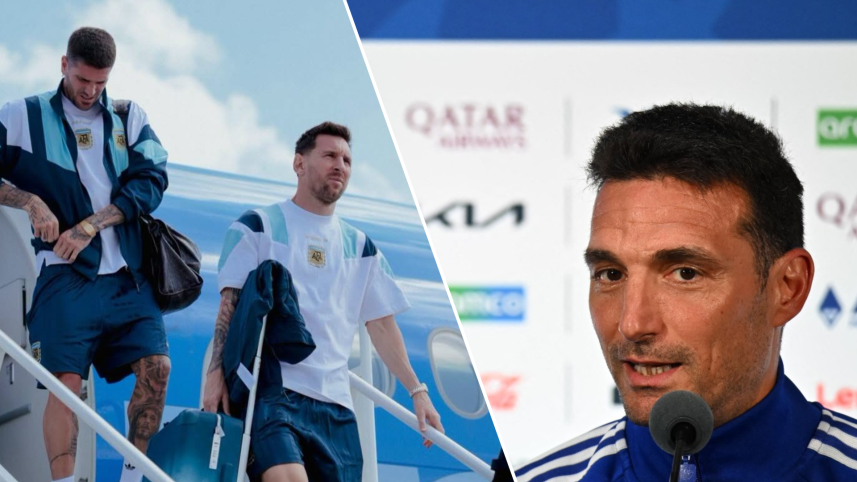
Lionel Scaloni believes the hydration breaks introduced at the FIFA World Cup have changed the rhythm of matches, though the Argentina coach feels teams must adapt to the new reality.
FIFA introduced three-minute hydration breaks in both halves due to the intense heat across the United States, Canada and Mexico, but the decision has divided opinion among players and coaches.

Scaloni acknowledged the need for player welfare but admitted the interruptions have altered the flow of games.
“The heat conditions, constantly stopping the match, ends up giving a hand to the theoretically somewhat weaker team. They have time to recover and prepare things that maybe they didn’t have before,” Scaloni said in the pre-match press conference ahead of his side’s fixture against Austria.
“It’s been done to have more time and, in the end, the match ends up getting a bit choppy. That thing with four times almost feels like it’s real. It’s been done and here we are to make it work.”
The Argentina boss added that the breaks have also forced coaches to rethink their in-game management, with teams able to make tactical adjustments during what effectively becomes an additional pause.
“Everything I have in my head can change based on what happens in those 22, 23 minutes,” he said. “We look for solutions and do what’s done in a normal half-time.”
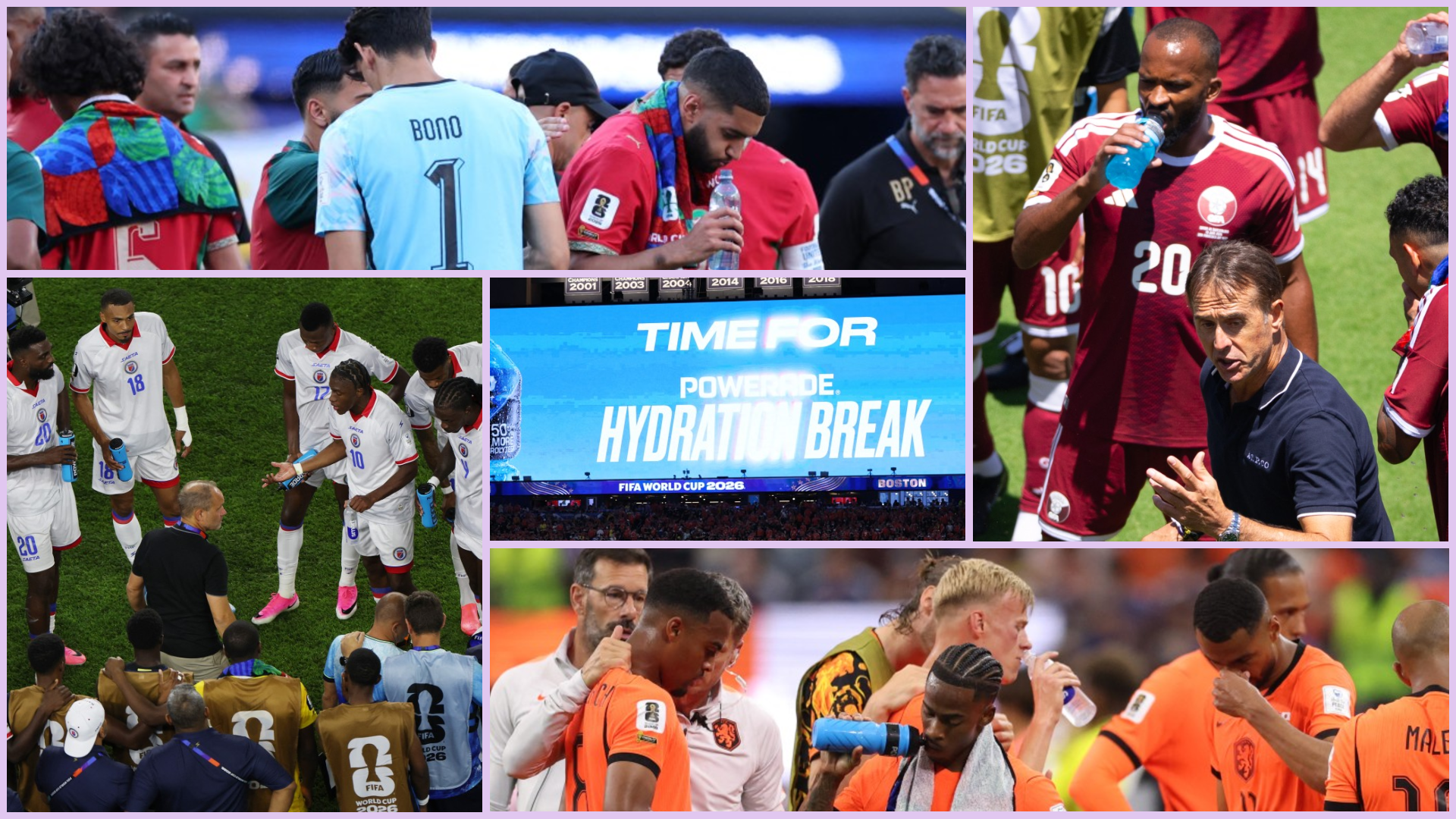
Scaloni’s comments came after Uruguay coach and former Argentina boss Marcelo Bielsa also criticised the breaks, arguing that they affect the cultural identity of football.
"Playing four times instead of two alters the conception of what had been culturally built to interpret football," Bielsa told reporters.
"This change of culture does not add anything and takes away a lot. I will just say that before this decision, football had a characteristic, now it has another. People fall in love with the game because of its characteristics,” added the Argentine.
However, Scaloni suggested the football world would eventually adjust, just as it has with other major changes introduced to the sport.
“It feels weird adapting to that. I imagine that in time, if it keeps being done, it’ll become something normal like all the things that have been made almost normal,” Scaloni said.
“This still isn’t normal for us, it makes things pretty choppy.”
 For all latest news, follow The Daily Star's Google News channel.
Comments