
From Mustafizur’s IPL removal to global cricket turmoil: What next?
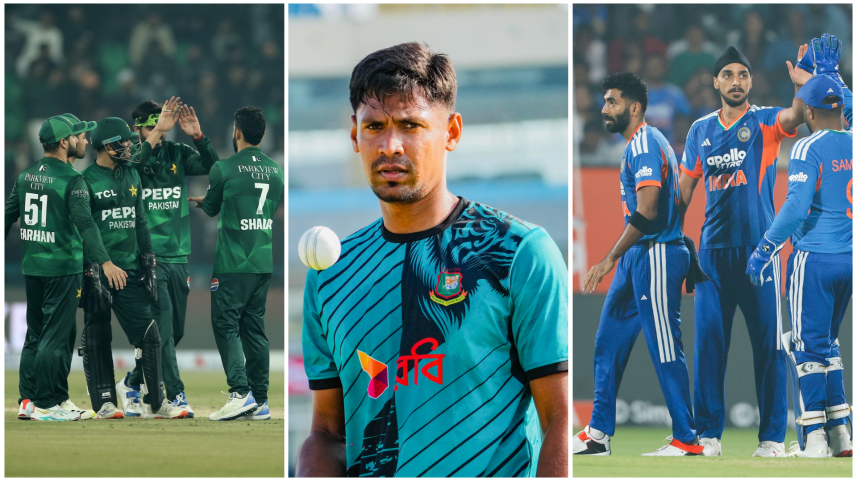
The spark that lit this wildfire wasn’t a war, a border clash, or even a match. It was the quiet exclusion of Bangladesh pacer Mustafizur Rahman from an Indian Premier League franchise in early January -- a decision that, at the time, felt like just another cricketing call.
But that single move slowly snowballed into something far bigger, now culminating in Pakistan’s decision to boycott their T20 World Cup match against India on February 15 in Sri Lanka. What began as a controversial removal has transformed into a full-blown geopolitical and sporting standoff.
 For all latest news, follow The Daily Star's Google News channel.
 Off the field, the noise has been deafening. Administrators, politicians, former players, broadcasters and fans have all weighed in, each with a different version of truth, loyalty and outrage.
Meanwhile, the actual cricket -- the reason the World Cup exists -- has been pushed into the background. Teams’ preparations and prospects are being overshadowed by statements, press releases and diplomatic signals. The game is being played not on the pitch but in boardrooms. And make no mistake -- this may not be the end of the drama. If history is any guide, this saga is just entering its second act.
Pakistan had already begun exploring alternatives after Bangladesh was replaced by Scotland, following Bangladesh’s refusal to travel to India. Now, Pakistan appears to have exercised its own option -- approving World Cup participation but refusing to face India.
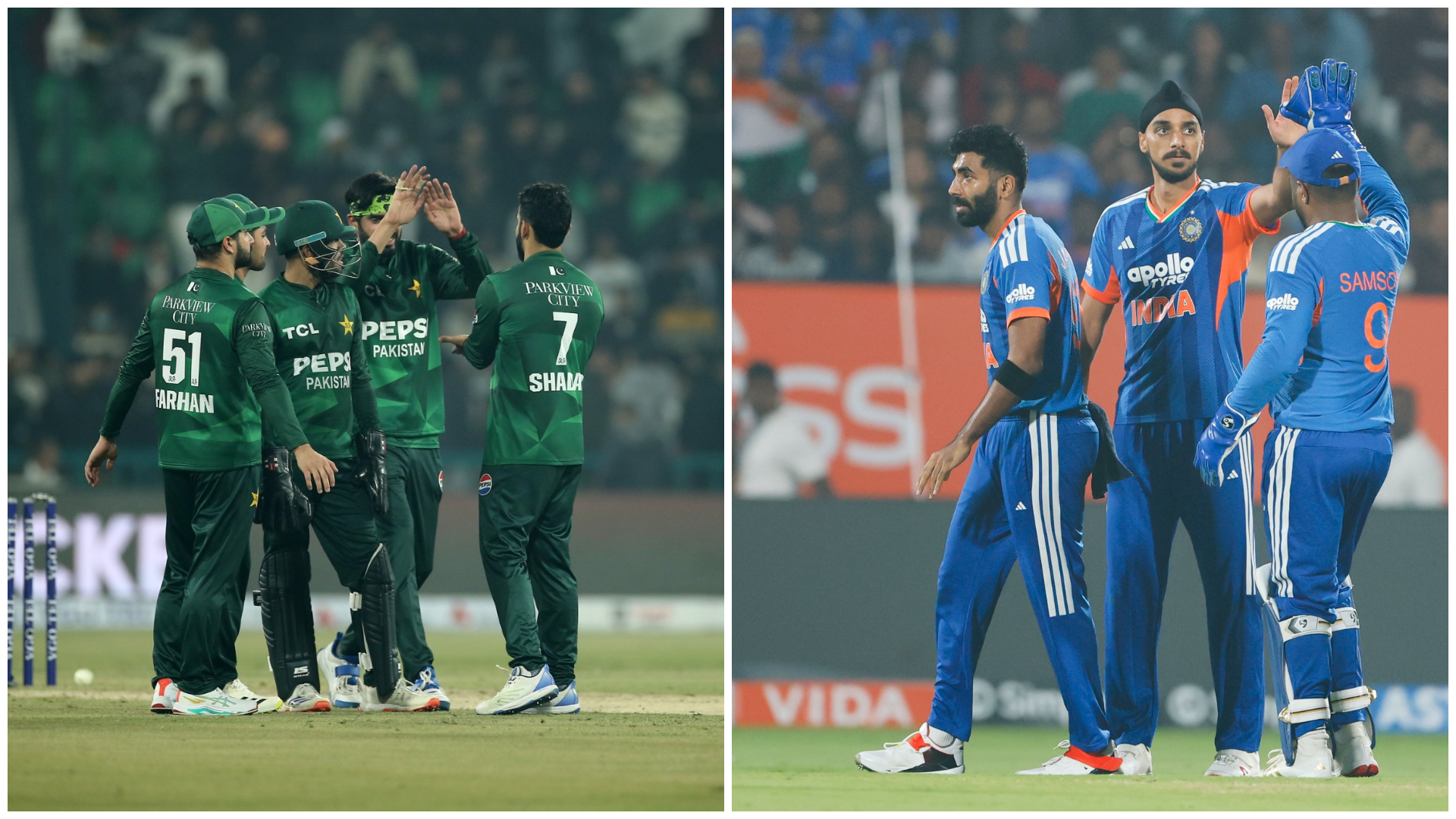
It’s a carefully worded compromise that satisfies political instructions while attempting to protect cricketing interests.
For now, Pakistan heads to Sri Lanka, preparing for warm-up matches and their group fixtures. Pakistan is scheduled to travel to Sri Lanka on Monday evening to play a warm-up game against Ireland in Colombo on February 4 ahead of their opening group game against the Netherlands on February 7.
Outwardly, it looks like business as usual. Inwardly, everyone is watching -- administrators, broadcasters, fans and rivals -- wondering what comes next.
The spotlight now turns to February 15 when India are scheduled to play Pakistan. Will the boycott hold? Will negotiations intervene? Or will a late reversal add yet another twist to this saga?
The financial stakes are enormous. An India–Pakistan match is the most valuable fixture in global cricket, capable of generating hundreds -- if not thousands -- of crores in revenue. A boycott doesn’t just hurt one board; it sends shockwaves through the entire cricket economy -- broadcasters, sponsors, host nations and the ICC itself.
For Pakistan, the risks are even sharper: potential revenue cuts and sanctions. For the ICC, this is a commercial and credibility crisis rolled into one. And this is why the controversy now stands as the ICC’s biggest challenge in years.
The governing body must balance political realities, contractual obligations, sporting integrity, financial survival, and -- most importantly -- its neutrality, all while trying to protect the image of the game. Every decision sets a precedent. Every compromise reshapes future tournaments.
Which leads to the inevitable question: will this episode redefine international cricket?
Perhaps it already has.
The replacement of Bangladesh by Scotland, Pakistan’s selective participation, neutral venues becoming the norm -- these are not isolated incidents. They are signs of a shifting landscape where geopolitics increasingly dictates the shape of tournaments. The sport is no longer just about bat and ball; it’s also about borders, policies and power. And somewhere in all this noise, a simple truth remains: cricket’s greatest rivalry -- India versus Pakistan -- though a one-sided affair in recent times and especially in global events -- continues to be both its greatest asset and its greatest vulnerability.
Comments