


‘Either a hero or a villain’: Mosaddek on no. 6-7 role
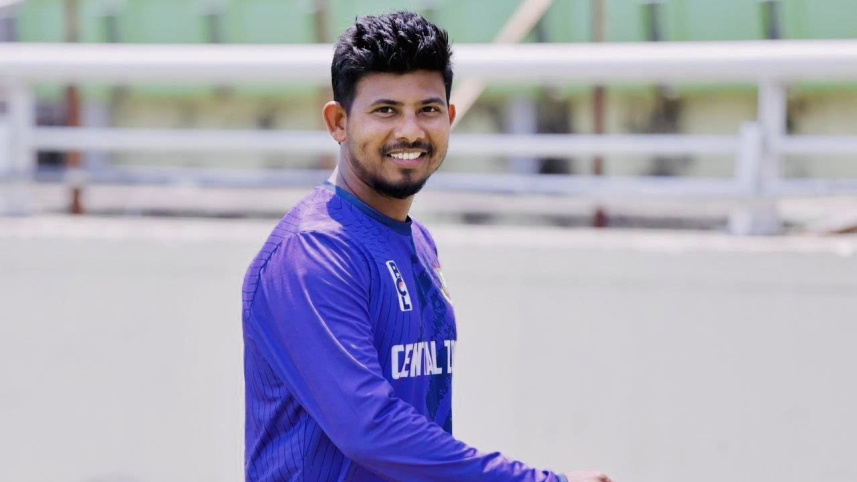
Mosaddek Hossain, averaging 77.5 and scoring at a strike rate of 129 in the ongoing Dhaka Premier League, has been rewarded with an ODI call-up after almost four years. Ahead of his selection for Bangladesh's first two ODIs of the upcoming three-match series against Australia, the all-rounder talked about the difficulties of batting in the lower middle order and struggles during an interview with The Daily Star’s Abdullah Al Mehdi. The excerpts are as follows:
The Daily Star (DS): How have you been enjoying the DPL, having notched the fastest List A ton off 49 deliveries and being amongst the top run-getters?
Mosaddek Hossain (MH): I am enjoying it a lot. Abahani are currently in a good position. My first priority is to contribute in every match and help the team win. Secondly, I also need to keep an eye on my personal performance. Keeping that in mind, I try to play an attacking brand of cricket.

DS: Even national team players seem to back you for the number seven role. How do you perceive your role?
MH: Anyone in the world who bats at number seven will tell you this role is never easy. If you play well, the team gets a good score; if you get out, well... you are always a combination of a hero and a villain there. If I can replicate the success I'm having in domestic cricket, it will be highly beneficial for the country's cricket.
DS: You've had a lot of ups and downs in recent times, especially being excluded from the recent Bangladesh Premier League. How does it feel to be recalled to the national team camp?
MH: I haven't spoken much about the past, and I still don't want to. I wanted things to become visible to everyone naturally. When I joined the national team camp and started playing well in the DPL, it became clear to everyone that what happened was perhaps unexpected. Something bad happened to me mistakenly, but I don’t want to dwell on it.
DS: How difficult was it to maintain your performance during that difficult period?
MH: I was out of cricket for a while, so getting back and performing was difficult. I am very thankful to [Khaled Mahmud] Sujon sir. When I practiced at the Cricketers Academy, he gave me time and tried to motivate me. At this stage of my career, mental support is incredibly important.
DS: How do you see being in and out of the national team throughout your career?
MH: I was always very clear about my role from the beginning. As I mentioned, batters in that position can rarely be consistent, so it's natural that my stats won't look impressive. You can't judge a number seven batter purely by stats. You have to see the impact I can create. I have been on and off in the team, and I’ve accepted that.
DS: Given your talent, why do you feel you haven't been able to serve the national team to the fullest extent?
MH: There are mixed feelings here. First, I acknowledge my own shortcomings -- I couldn't fully serve the team's purpose. At the same time, when you know you aren't playing matches consistently, and the fear of getting dropped after one bad match is always in your head, it creates pressure. All these things mess with a batter's head. That's why being backed by the team and given freedom is so important, especially for a lower-middle-order batter. When a player knows they will be backed, they will want to play their natural cricket, and the results will be visible.
 For all latest news, follow The Daily Star's Google News channel.
Comments