The app treats me like a number: The uncertain lives of Dhaka’s ride-hailing drivers
Maruf (pseudonym) pulls up two minutes early, which is unusual for this city's traffic. The car is spotless, with a faint trace of air freshener near the dashboard. He adjusts the rear-view mirror, catches your eye briefly, and offers a polite nod, the practised courtesy of a man who has learned that a good first impression is the only business card he has.
Maruf did not plan to be here. Three years ago, the garment buying house where he worked shut down in the aftermath of COVID. With a family to feed and few options in a sluggish job market, he borrowed money from relatives, bought a second-hand car, and registered on a popular ride sharing platform. A cousin was already driving and making decent money. It seemed like a bridge. “I told myself it was temporary,” he says, with a brief laugh that carries not bitterness, but the fatigue of plans that rarely hold.
Temporary, it seems, has quietly become permanent. When asked whether he wants to stay in this line of work, he does not hesitate. "Honestly? No. I want a job with a salary, with leave, with a boss who knows my name." But the market remains difficult, and until something better materialises, he drives. His family eats because he drives.
The income, however, is anything but stable. Some weeks are good; others are not. The app makes invisible adjustments, higher fares disappear, more drivers flood the zone, and he barely covers fuel. The car, now three years older, demands maintenance. When it breaks down, the earnings stop entirely. There is no sick pay, no buffer, and no one to call. "The app treats me like a number," he says. “No sick days, no bonus, no guarantee of tomorrow, just the next ride request blinking on my screen.”
The income, however, is anything but stable. Some weeks are good; others are not. The app makes invisible adjustments, higher fares disappear, more drivers flood the zone, and he barely covers fuel.
The car, now three years older, demands maintenance. When it breaks down, the earnings stop entirely. There is no sick pay, no buffer, and no one to call. "The app treats me like a number," he says. “No sick days, no bonus, no guarantee of tomorrow, just the next ride request blinking on my screen.”
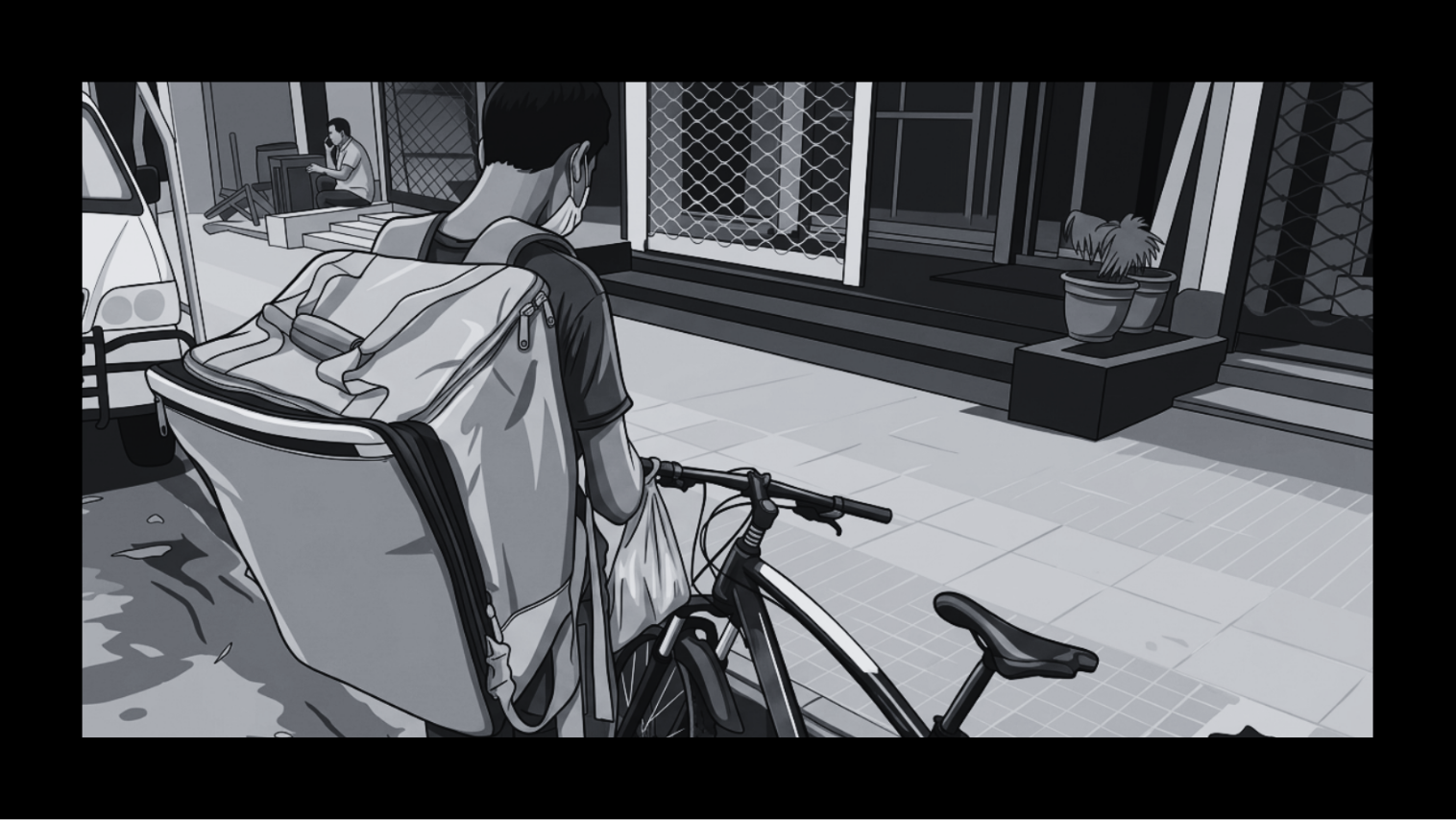
He is not entirely without appreciation for the platform. The flexibility is real. If his daughter falls ill, he can simply stop driving. No permission required, no leave application, no explanation owed to anyone. That freedom, he acknowledges, is something a conventional job rarely offers. But the price of that freedom is exposure. The platform can deactivate his account on the strength of a single complaint, even a false one. The commission the platform deducts is steep. There is no union, no grievance mechanism, no collective voice. The arrangement is convenient for the passenger and profitable for the company. For the driver, it is a tightrope.
What he wants, more than anything, is not wealth. It is simply security. A pension. Something saved. Right now, there is nothing formal—no provident fund, no health insurance, no safety net of any kind. A month of illness would be a financial catastrophe. "I want the government to recognise drivers like us as real workers," he says quietly. "We pay taxes indirectly. We deserve protection."
We reach the destination before the conversation feels finished. He hands back a charging cable left on the seat, a small but telling gesture. He is meticulous about the things within his control, because so much else is not.
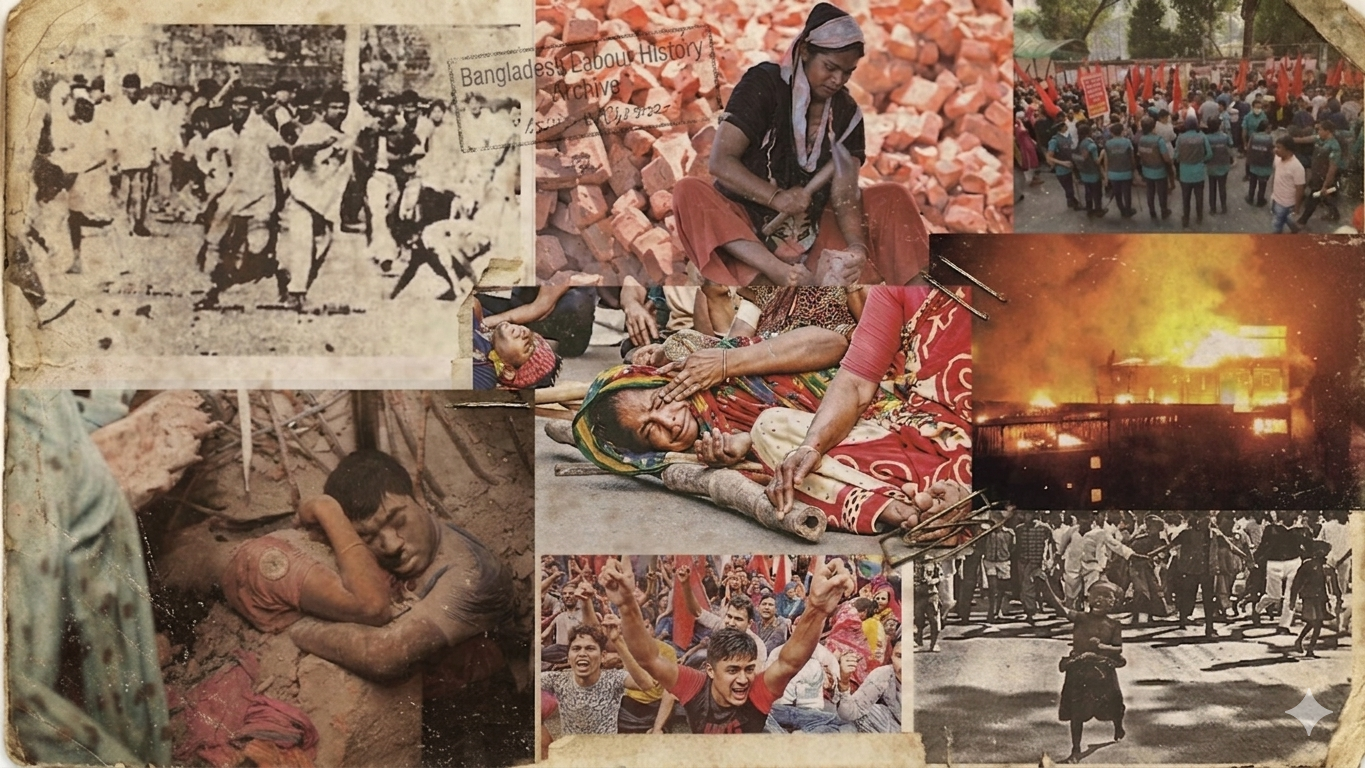
As millions like him navigate the shifting terrain of informal labour, cushioned by the convenience economy yet exposed to its indifference, the question is no longer whether gig work is here to stay. It is whether the systems built around it will ever catch up to the people sustaining it, one ride at a time.
SB Meraj is a writer, theatre artist, and film enthusiast. He can be reached at sbmeraz.14mgbhs@gmail.com.
Send your articles for Slow Reads to slowreads@thedailystar.net. Check out our submission guidelines for details.
Why Rana Plaza survivors are still protesting
Unseen struggles of ATM security guards in Bangladesh
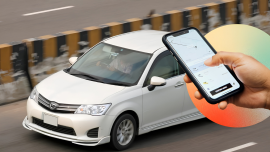
The app treats me like a number: The uncertain lives of Dhaka’s ride-hailing drivers