US ground invasion in Iran and Pakistan’s mediation

Here’s the latest news and insights to follow this weekend.
The US Defense Secretary Pete Hegseth warned on Tuesday, March 31, that the next few days of the Iran war will be decisive, just 24 hours after President Donald Trump vowed to attack Iran’s energy sector if Tehran does not reopen the Strait of Hormuz and agree to a peace deal by April 6. In response, Iran threatened that their forces will begin targeting US companies in the Middle East. Seventeen major corporations have been listed as targets: Cisco, HP, Intel, Oracle, Microsoft, Apple, Google, Meta, IBM, Dell, Palantir, Nvidia, J.P. Morgan Chase, Tesla, GE, Spire Solution, Boeing, and G42, an Emirati company. Amazon’s cloud computing business in UAE said it had been struck by drones and remained “significantly impaired,” since early Tuesday.
Meanwhile, Pakistan has emerged as the key mediator — or rather messenger — between Iran and the US; none have displayed any means of de-escalating, yet.
Pakistan’s success in mediation remains a long shot
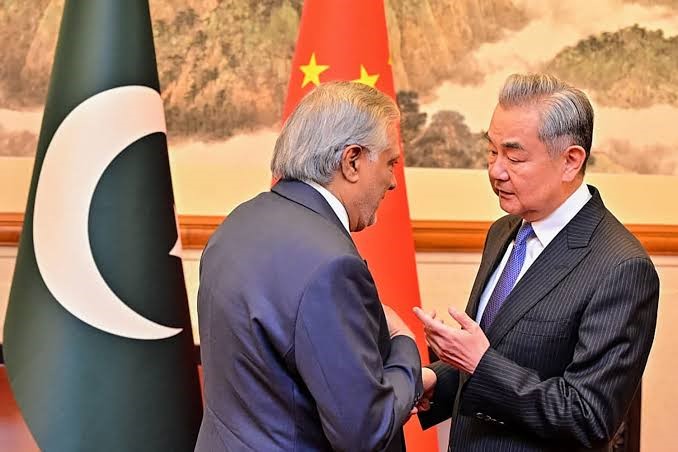
Iran claims that the US administration has not directly negotiated for a “peace deal.” The peace talks brokered by Pakistan occurred as thousands of US marines arrived in the Middle East. Iran’s parliament Speaker Mohammad Bagher Qalibaf characterised the announcement of talks as a cover for US military action, writing in a Telegram post: "The enemy publicly signals negotiations while secretly planning a ground invasion." Iran maintains that it is ready for a US ground invasion, and that it will not “accept any humiliation.”
A peace deal through Pakistan is not entirely implausible as the nation has positioned itself as a leading mediator with China’s support, which is the largest buyer of Iranian oil. The countries released a five-part peace plan, calling for a ceasefire, protection of the Strait of Hormuz, the blockade of which has resulted in hefty economic repercussions for Pakistan. But Pakistan’s mediation carries risk for the nation itself, including sectarian divisions within its Shia community, and escalating tensions within Pakistan over the Iran war. In the days after Iran's Supreme Leader was killed in a joint US-Israeli airstrike, pro-Iran demonstrators protested in the streets across Pakistan, and several were killed including those who tried to storm the US consulate in Karachi.
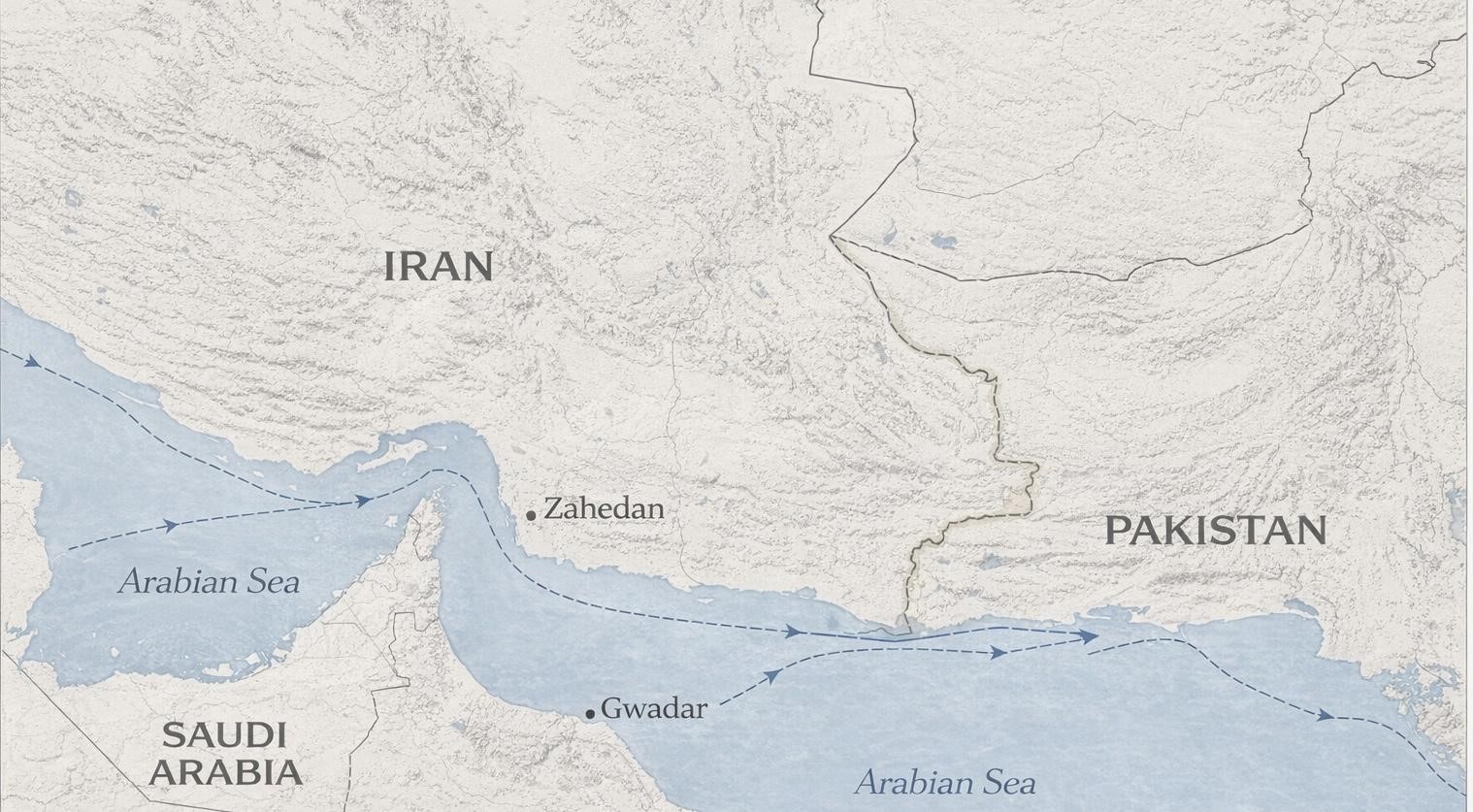
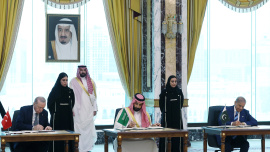
Pakistan has its own skin in the game. The nation largely depends on Gulf monarchies, including Saudi Arabia, with which it recently signed a defence pact. If Saudi Arabia decides to shift gears and go on the offensive, the war could also inadvertently have spillover effects on Pakistan, which shares a sensitive long border with Iran. Pakistan is also currently embroiled in an “all-out” war with Afghanistan.
It may be pertinent to note that Pakistan’s armed forces are more likely in favour of US interests, with the US President often referring to the head of Pakistan’s armed forces, Field Marshal Asim Munir, as his “favourite” Field Marshal. Trump has also previously said, Munir knows Iran “better than most.” In mediating, Pakistan has to strike a delicate balancing act between its relations with China and the US, whose interests do not align in Iran.
While peace talks are presented, the past few days have shown more escalation from both Iran and the US. Hours after a consultative meeting between Pakistan, Saudi Arabia, Egypt and Türkiye, the US President Trump told the Financial Times, that “his favourite thing is to take the oil in Iran.”
US ground invasion is likely
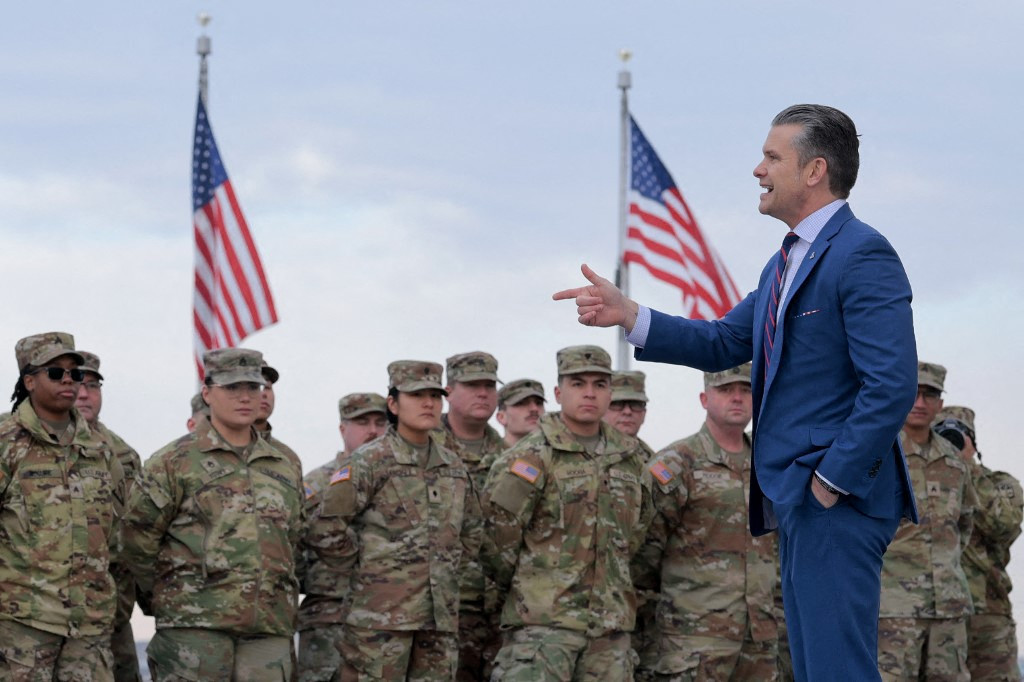
US boots on the ground is now on everyone’s mind. Is it already happening? Will it happen? What once seemed to be a distant reality, could now become what analysts describe as a “forever siege.”
US officials have told the Washington Post that the Pentagon is preparing for weeks of ground invasion. The Pentagon is considering sending another 10,000 troops to the Middle East, according to a report by Wall Street Journal. Prior to that, US government sources told The Intercept that the Chief of the 82nd Airborne division, leaders of the elite paratrooper unit have been ordered to the Middle East. Since March 23, the same division has been reportedly weighing sending combat forces, a brigade of about 3,000 soldiers, capable of deploying anywhere on the ground within 18 hours. These resources can be used to target Kharg Island, Iran’s main export hub, according to a report by New York Times. The airfield on Kharg Island has been damaged by recent strikes; Trump told The Financial Times that the US can easily “take Kharg Island.”
Iran threatened civilians and employees of US companies in the region to evacuate the facilities by 8pm on Wednesday. Iran’s threat follows US strikes, and bombing — using 2,000 bunker buster bombs — on an ammunition depot in Esfahan, the location of Iran’s nuclear facilities. US Joint Chief of Staff chairman Dan Caine confirmed on Tuesday that US troops have begun flying B-52 bombers over Iranian territory for the first time since the war began. Caine claimed that the US military struck more than 11,000 targets. The US Central Command said it had targeted Iran’s command and control centers, headquarters and intelligence sites of the Iranian Revolutionary Guard Corps, ballistic missile sites, navy ships and submarines and air defense systems. Significantly degrading Iran’s defence capabilities is one of the US’ only chances to deliver a ground invasion that can potentially hurt Iran. But most military analysts have warned that a ground invasion risks high casualties for US troops, and the resilience of the Iranian missile arsenal which has withstood heavy bombardment.
Scenarios for US ground invasion, according to analysts
An analysis by Foreign Policy magazine, laid out five scenarios for how a US ground invasion could play out in Iran, which has a rugged geography. “The question is no longer simply whether a ground invasion is possible, but where it could begin and whether it could achieve strategic results,” wrote Arash Reisinezad, a visiting professor at Tufts University. Reisinezad argues that Iran's entry points for US troops in Iran could lead to more consequences and wider spillover of war rather than a straightforward “invasion” for the United States.
The possible entry points include: Kharg Island, the Strait of Hormuz, the islands of Abu Musa and the Greater and Lesser Tunbs, the Chabahar-Konarak corridor, and the Abadan-Khorramshahr axis.
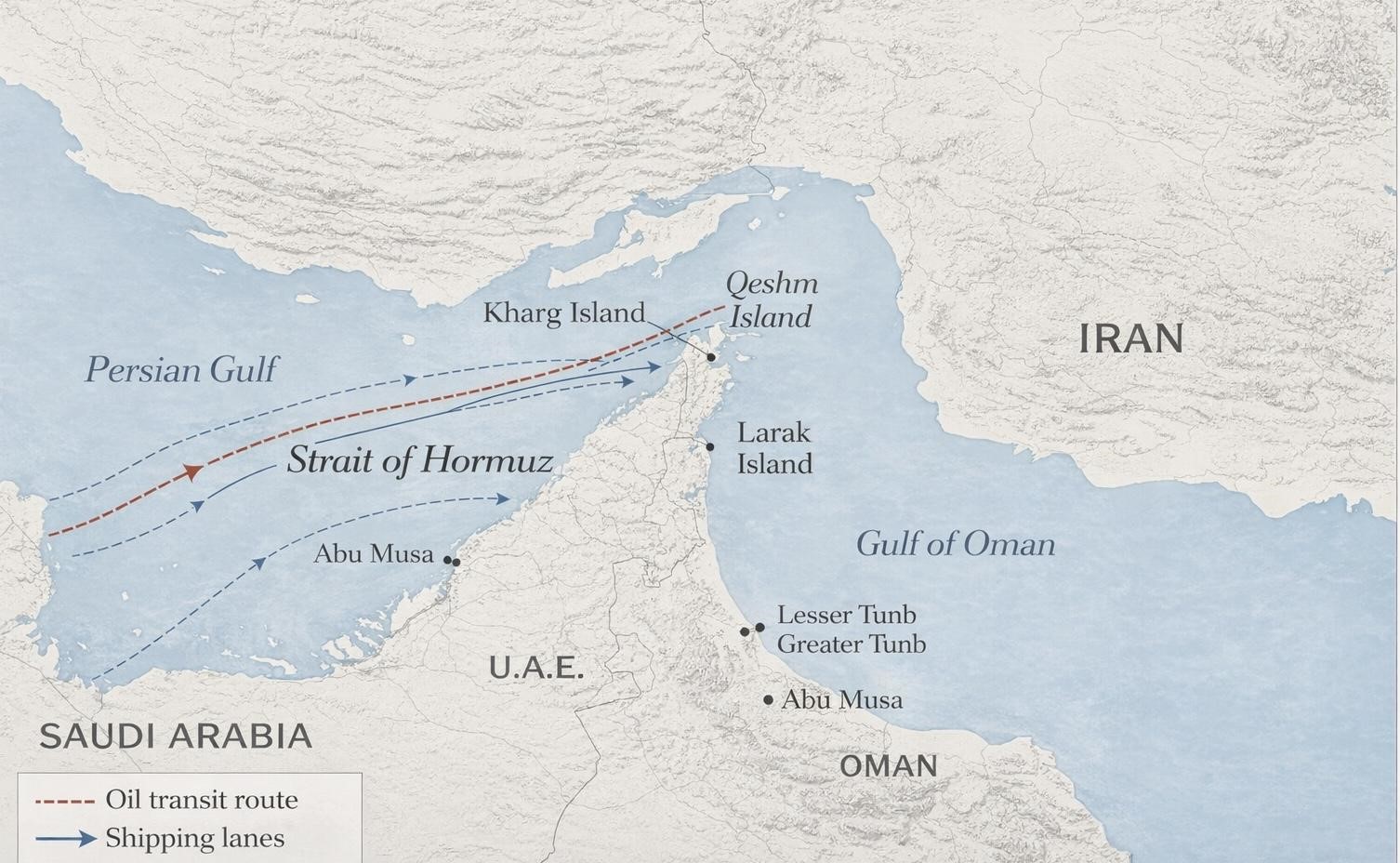
Trump told The Financial Times that “it would be very easy” for the US to take Kharg Island. From a military perspective, it mirrors an easy entry point, but strikes on Kharg will cause further spillover on the global energy market. It would also trigger Iran to intensify its asymmetric retaliation against regional facilities, and worsen the situation for the Gulf nations.
The Strait of Hormuz has been Iran’s main weapon, where the nation is also monetizing by charging ships to pass, essentially turning it into a “toll booth.” A common misconception has entered the psyche that ground invasion may help limit the attacks on the Strait of Hormuz. US attempts to control the Strait would require maritime operations against Iran’s largest port, Bandar Abbas, and Qeshm, Iran’s largest island. Whether US troops enter through an amphibious landing, or an airborne insertion, they would still be vulnerable to counterattacks particularly in the Strait.
To prevent further long-term impact from escalation on the Strait, the US would have to strategically degrade Iran’s defense capabilities first — which is no small task given that the nation’s whole military doctrine is developed on asymmetric warfare for decades. It also has the advantage of using its proxies, such as the Houthis, who have entered the war. Iran has already eyed the Bab el-Mandeib Strait — a busy Red Sea choke point — where the Houthis retain the power to cause major disruptions, which would trickle to even higher oil prices.
There are three islands — Abu Musa and the Greater and Lesser Tunbs — which form the Western gateway to the Strait. They sit at the heart of territorial conflict between Iran and the United Arab Emirates. These islands are easier targets but carry the risk of expanding the war. The UAE is already in a vulnerable position; on Tuesday, a Kuwaiti crude oil tanker anchored in Dubai port was struck by an Iran drone attack.
Along Iran’s southeastern coast, in the Chabahar-Konarak corridor, lies another entry point. It is more geographically accessible and less militarised than the Persian Gulf, but it remains far from Iran’s economic and politically relevant centre. The distance renders a ground invasion through the corridor, a longer and far more expensive endeavour for the US.
Trump has made it clear that he plans on taking control of the oil in Iran. The entry point to the oil-rich South-west of Iran is easiest through Abadan-Khorramshahr. But to enter it, the US has to geographically access through Kuwait, then southern Iraq, and Khuzestan — a route that previously Western-aligned Saddam Hussein had taken in 1980 against Iran.
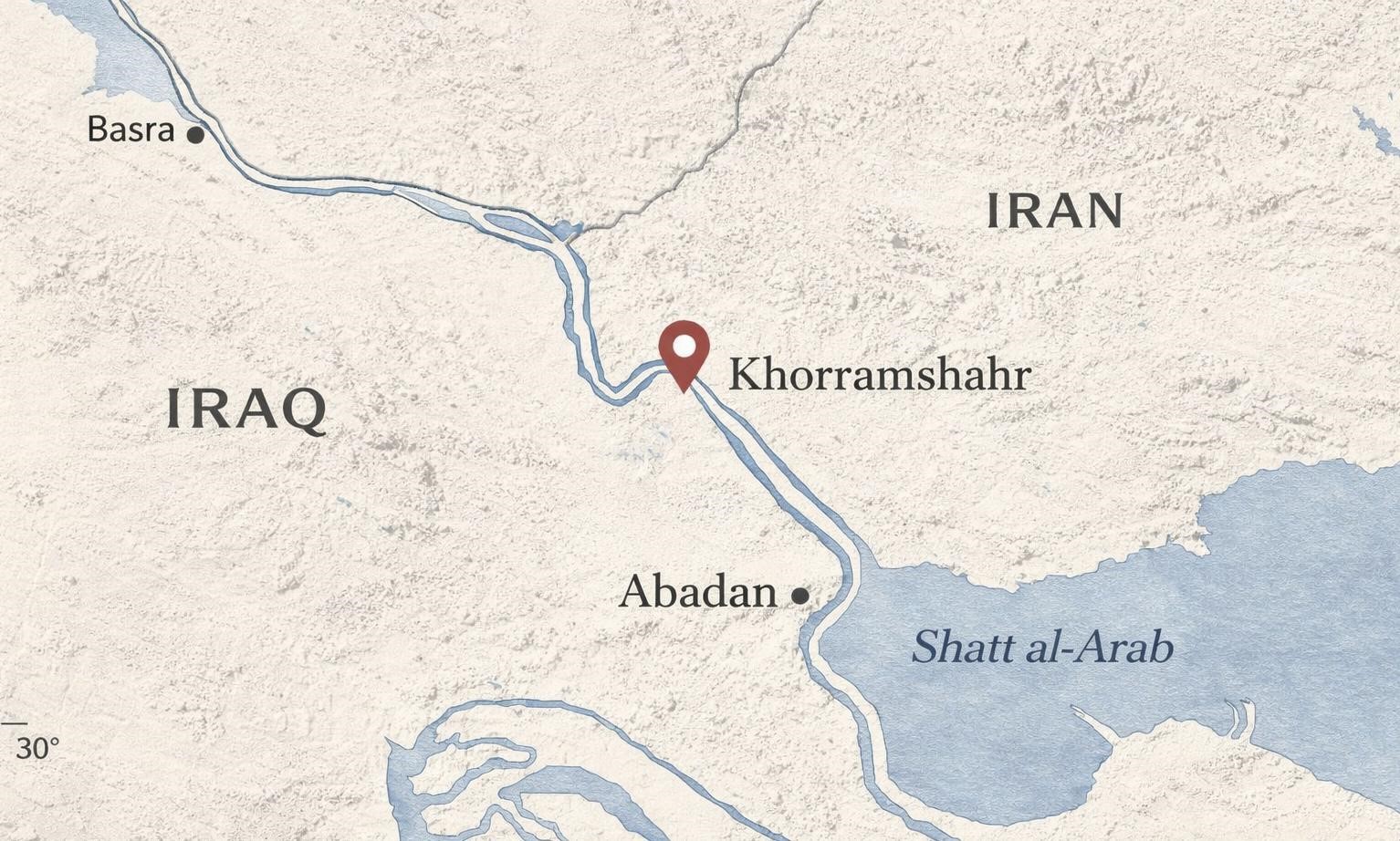
Southern Iraq today is much more complex, with Iranian militias, which the US would have to face before even reaching Iran.
Every scenario needs to take into account the fragmented role of the Kurds along Iran’s Western border. The Iranian militias in Iraq could inadvertently face the Kurds, if they do enter the conflict. Here, another layer of complexity is added by Türkiye’s opposition to arming the Kurds.
Iran has already weaponised geography; most scenarios involve a wider escalation of the conflict that would worsen the global economy, and throw more countries into the conflict. As it stands now, a US ground invasion in Iran will demonstrate the superpower’s limits, rather than its strength, according to analysts. The fallout from the Iran war is already jeopardising the global economy, beyond oil.
Ramisa Rob is Geopolitical Insights Editor at The Daily Star.
Send your articles for Slow Reads to slowreads@thedailystar.net. Check out our submission guidelines for details.
Bihar wants Delhi to not renew Ganges treaty. What does it mean for Dhaka?
Bangladesh and the United States: Beyond the tariff bargain

From the Carter Doctrine to the Mecca Pact: A changing Gulf security order
More capability, less autonomy? Bangladesh’s emerging security dilemma
An anti-West network is emerging: How should Bangladesh respond?
The Mecca Pact: Deterrence, Israel, and the new Gulf security equation
What Nepal’s flood devastation means for Bangladesh, India and China
Five reasons why Bangladesh shouldn’t join the Mecca Pact
Why Gaza peace deals keep falling apart