Raghu Rai: When life performs for the camera

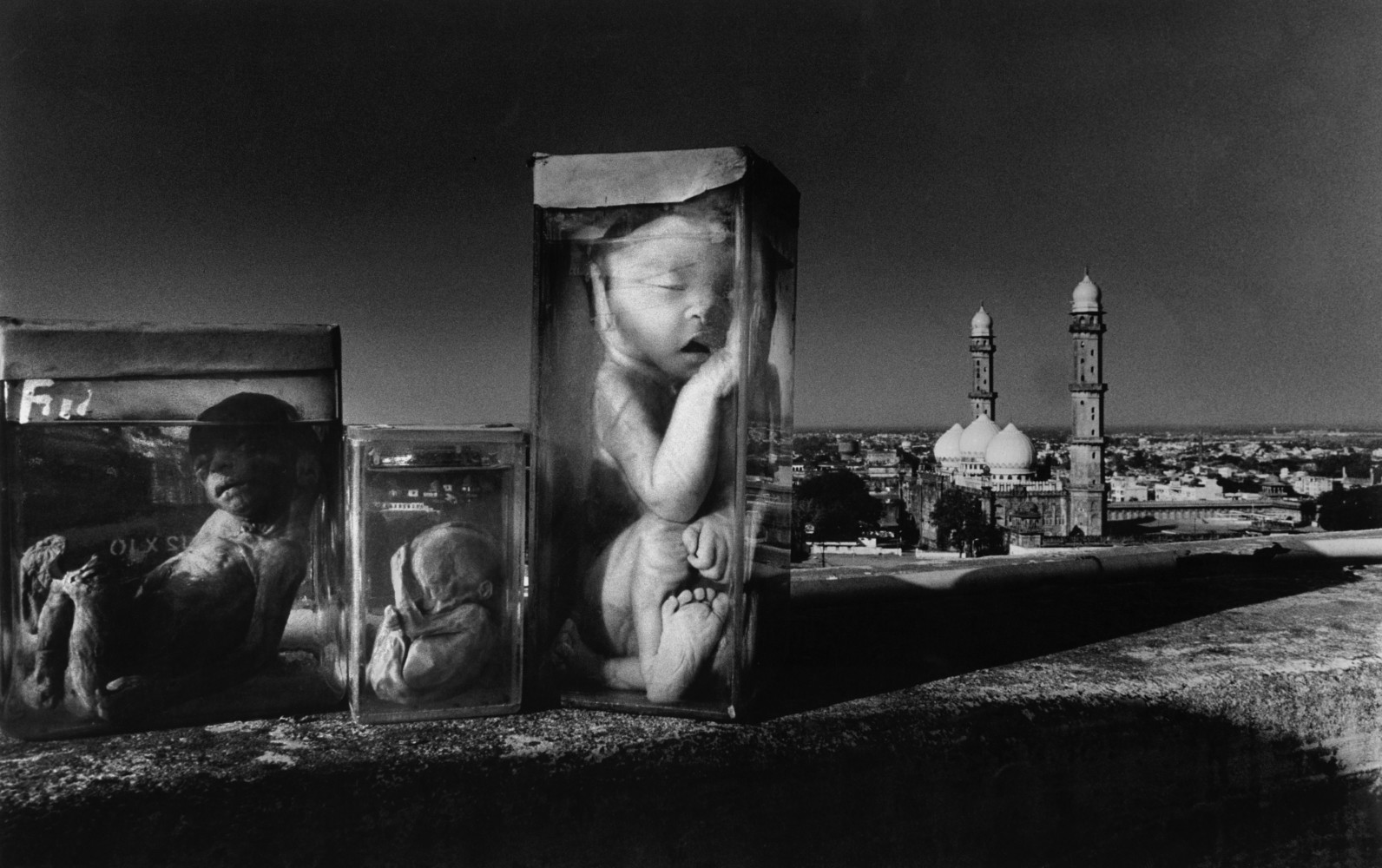
Raghu Rai (18 December 1942–26 April 2026) was an Indian photographer and the most celebrated photojournalist of South Asia. He documented some of the most significant events in modern South Asian history, including the Bangladesh Liberation War of 1971 and the Bhopal gas tragedy of 1984. He also worked extensively on major public figures such as Mother Teresa, the Dalai Lama, and Indira Gandhi, publishing books on their lives and legacies. His photo essays appeared in Time, Life, The New York Times, The Independent, and The New Yorker, and he served on the World Press Photo jury from 1990 to 1997.
For over 60 years, he shaped a visual language that defined the Indian subcontinent. From war to ritual and suffering to beauty, his lens revealed the poetry within everyday life. Through him, the lives of millions became part of a shared visual history.
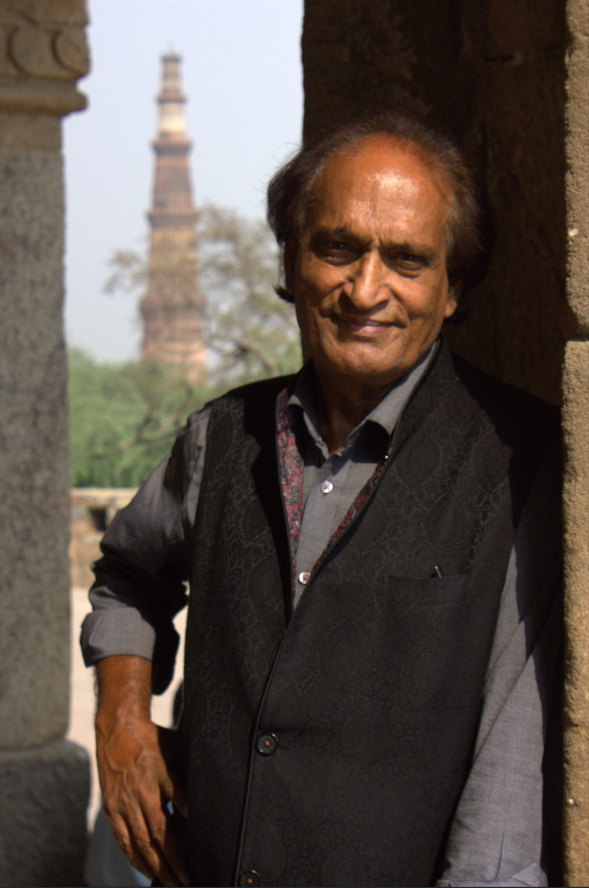
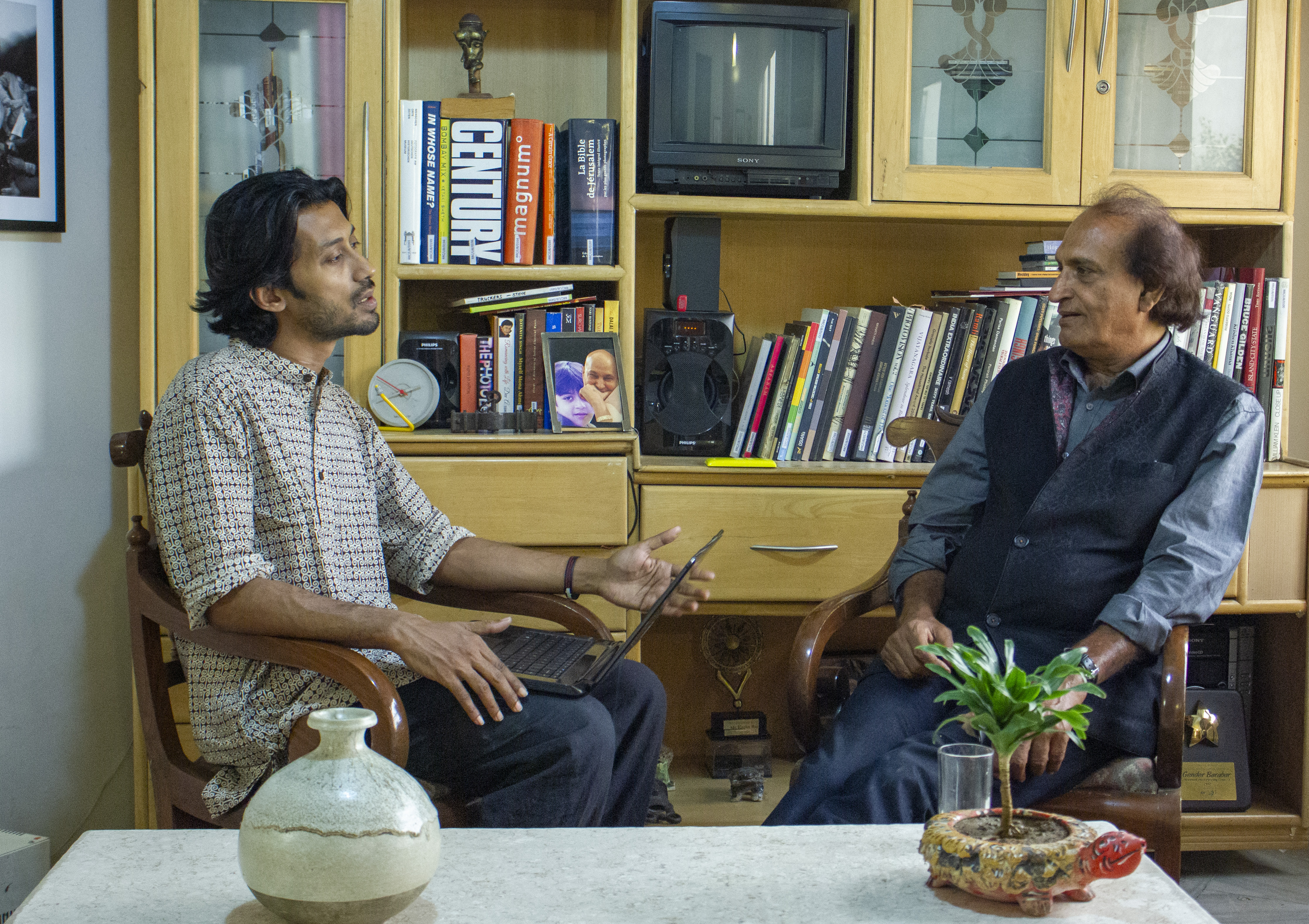
I met and interviewed Raghu Rai over a span of more than two decades in Bangladesh and India. Starting from 2004, then 2012, 2016, 2019, and 2024—the last time he was in Dhaka.
This is an abridged version of the series of interviews I conducted in 2016 in multiple locations in Delhi. I want to thank Naim Ul Hasan of Duniyadari Archive for editing the interview, Mahfuj Hassan Sakib for the transcription, and Magnum Photos, the Raghu Rai Foundation, the Raghu Rai Centre for Photography, Creative Image, Amit Chauhan, Nitin Rai, Prem Kumar Gupta, Firoz Farhad Merchant, and Nirvair Singh Rai for their support during the interviews.
Did you grow up in Delhi?
I came to Delhi in my mid-twenties. Before that, I was in Ambala, Firozpur, and Karnal, which were part of greater Punjab. My early school days were there. My photography journey started after coming to Delhi.
You have had such a long and illustrious career. What has kept you going for over 50 years?
Basically, it is the ever-changing spirit of daily life and the ever-changing forms and energies of nature. These are fascinating to me. Still, I would say that I am a part-time photographer because I should be spending more time taking pictures, which I do not do. There are times when I don’t shoot for days. But then when I shoot, I shoot like a madman. So that is also there. But the gaps in between sometimes tend to be too long because maybe I am editing and designing a book or preparing for an exhibition, which are very important and fascinating for me. But the fact remains that I am not engaged all the time the way I should be. So, photography has become a kind of part-time madness in my life, but when it comes, it comes in full force.
You started your career in 1966 and within seven years received the Padma Shri award in 1972 as the first Indian photographer. How did that affect you?
Whatever I do or achieve—books, exhibitions, awards—for the first two to three days it’s nice. After that, it’s life as usual for me. I am not carrying anything on my chest that I have done this or I have received this—it doesn’t matter. It moves away very quickly. I am not static. I don’t live in nostalgic nonsense—good or bad.
What do you think about your master-heavy agency—Magnum’s contemporary approach? Is the agency going through any major reform in its policy at present?
It is going through major changes because the world of photography is changing. Unfortunately, most photography magazines like Life and Look are dead and gone. So, you have to look for new avenues. It’s not the same as getting two months' assignments from some magazine to do a great job. That kind of canvas is not there anymore. There are many more people taking pictures due to the availability of digital technology. So many of us who are in our 60s or 70s, or maybe some in our 80s (chuckles), have become like guides who take workshops, take people along, shoot with them, and teach photography.
You are a self-taught photographer. What led you to set up the Raghu Rai Center for Photography?
Well, the need was very dire. It felt like a kind of responsibility and an inner call to share something so meaningful because when we were young, we did not have anybody to guide us. The existing schools teach anything and everything. And then there are photography magazines which are so commercial that they are like cousins of each other. So, all these things together compelled me to start a centre for photography with my son Nitin. But I didn’t want to be a full-time teacher because I want to remain a full-time photographer. The idea was to ignite that creative spark in each individual and send them on to their own journey of creativity, and not teach them professional photography of this kind or that genre. After completing a diploma course, if someone wants to become a painter, he or she should be able to do so and understand where that creative spark comes from. This is the purpose of the centre; it is not limited to photography.
At a time when digital media is on the rise and print magazines are in decline, what motivated you to launch Creative Image and invest your time and effort in producing a high-quality physical magazine?
I know most magazines are folding up and losing their circulation. I remember when I told my old friend Aroon Purie that I was going to start a magazine, his first response was that nobody would read it. I said, “Aroon, this is not for reading; this is for seeing ‘Darsan’ (chuckling).”
A photographer is the one who has photographs, and who can hold these photographs in his hand, look at them, and preserve them.
Similarly, a serious magazine is the kind that you can hold, see, read, feel through, and then preserve. Look back at it also. What is a TV screen? It is an electronic image being created every time, and an illusion and excitement that comes and disappears.
Digital files are plastic things. They don't have the same feeling. Technology is for your advancement. But you do not become a machine yourself, nor do you turn into a digital file.
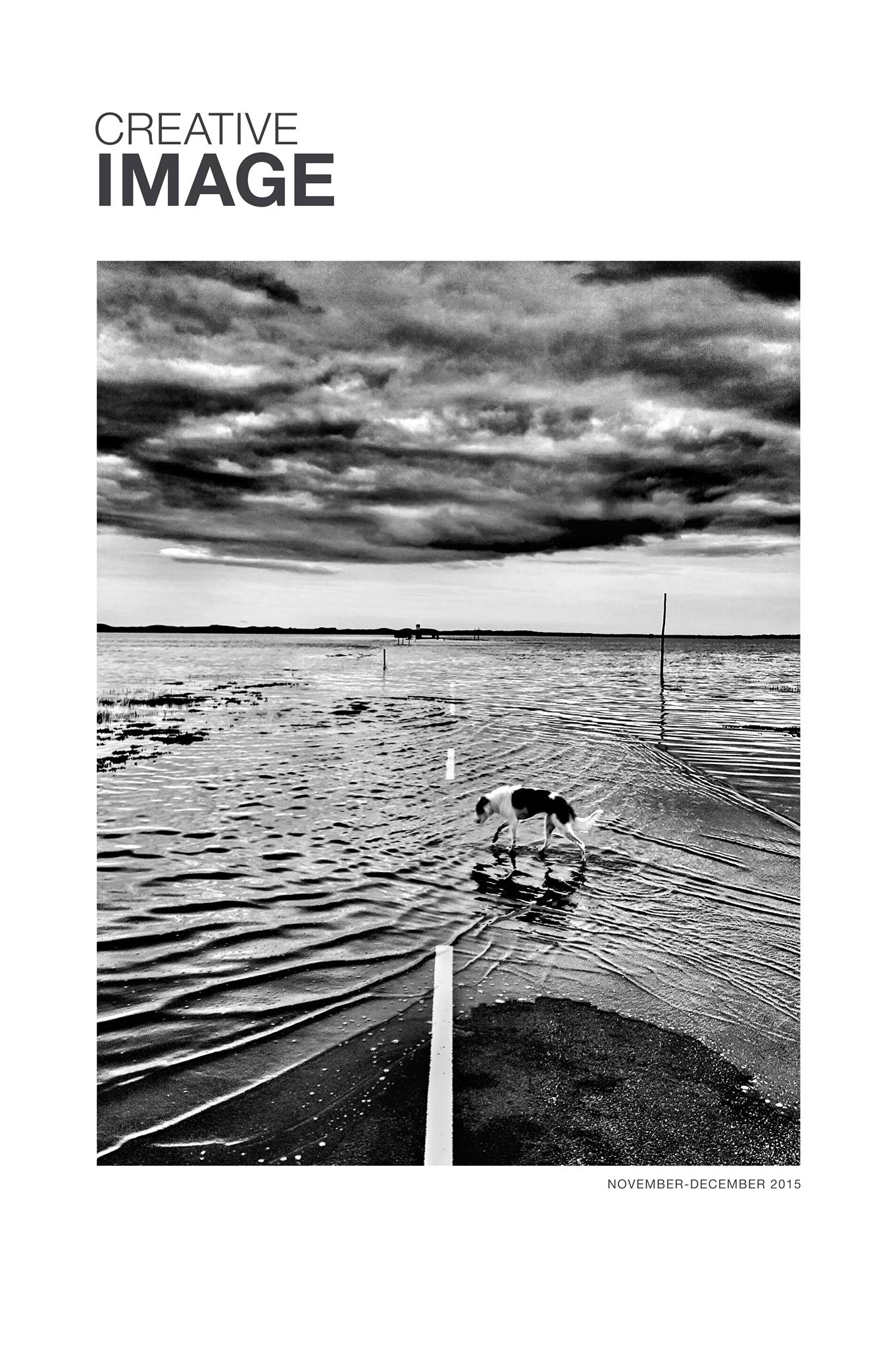
Nothing is dying. People, their attention span, and their interests are being replaced by something else.
How do you choose the works to be featured in the magazine?
I select instinctively. I see a lot of work. I have seen the works of the old masters for years. And today, when I look again at the works of Ansel Adams, Richard Avedon, André Kertész, and Henri Cartier-Bresson that I first encountered as a young man, I respond to them more instinctively. Which images have faded with time, and which still hold a magic that endures? With experience, this is what you learn. So, I pick the best, the masterpieces from each photographer that have survived the test of time.
You see, many things get washed away by time. But finally, what remains? This is called energy. The image still holds that energy, that current, which is captured instinctively.
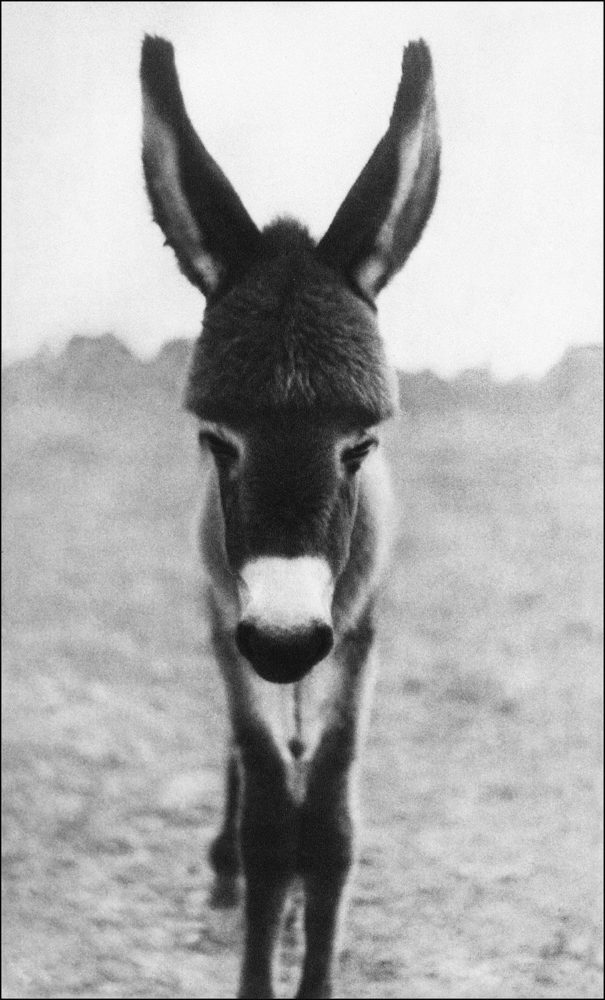
I was listening to Kuldeep Nayar at the launch of your Creative Image Magazine during the Delhi Photo Festival 2015 at IGNCA. He spoke about his experience of working with you when he was an editor. Do you think you influenced or reshaped how your colleagues approached the use of photographs in print media?
Of course. Nothing is handed to you. When you go out to photograph a political, social or cultural situation, you have to engage one hundred per cent—mentally, physically and spiritually—to truly capture its essence. Once you have done that, once you have invested mind, body and spirit, you carry back the energy you have captured. You do not return alone; you are charged with that energy.
So, when you meet the editor and present your work, you carry a greater strength as a human being, and I am sure it leaves an impression on the other person. Editors, after all, are sensitive people and are meant to respond to what they see. That is how I built my relationship with them.
My first editor at The Statesman was actually Evan Charlton—a British man—who was a great guy. I covered the split of the Congress Party in 1969 and got some very up-close and personal photos. The Statesman only published one photo. I sent the photographs to The Times in London, where three of them were published. My resident editor in Calcutta and Delhi saw the newspaper carrying three of my photographs and my name, and he said, “How can you sell your pictures outside? Why haven’t you published here?” I said, “Because you people cannot see the pictures—what is good and what is bad!” And he was very angry with me—how could I sell my pictures outside? Evan Charlton sent a telex message to the resident editor: “Please congratulate Raghu Rai for his excellent photographs, and why don’t you use them.”
Then came Kuldeep Nayar, with whom I worked for the longest time and had great chemistry. And then I was with M. J. Akbar on Sunday magazine. They were also very good friends. Then finally, ten years at India Today with Aroon Purie, whom I have known for a long time.
It was the understanding and my commitment to giving them the best, and then their respect for printing those works in the legitimate and required space.
You mentioned the role and influence of Deepak Puri, South Asia General Manager and Photo Editor at Time, in the field of photojournalism. Could you elaborate on that?
He was basically a warm, wonderful, honest person. And very helpful. So various photographers who were working for different magazines reached out to him whenever they had any problems. He was one of those people who supported and helped everybody; that’s why people gifted him good photographs, important iconic photographs, with which he created his own archive of interesting works. His networking with the government, airlines, and embassies was such that he could get you a visa in no time; he could make you fly by any airline. So, in return, many photographers worked for Time magazine for many years. He even gave me a blank cheque from Time magazine for an assignment within two weeks of our first meeting. That reflects the kind of warmth, trust, and network he had with people. Even James Nachtwey and Sebastião Salgado—whenever any of us needed anything, he was always there for us.
I was reading your critique of contemporary photography, where you discussed photographers influenced by Western styles. How would you define your own approach to photography?
I do not have a style. Styles come and disappear, and style becomes an attitude. Style becomes a way of looking at things. See, you are walking in the streets, and something from somewhere says ‘hey’, and you have to click it. You don’t have time to think or plan. So where is the style? I am not fond of styles. To put it in a very apt way, it is like Kahlil Gibran’s line: “Your children are not your children. They are the sons and daughters of Life’s longing for itself.” My images are the same; I have to reflect life’s longing for itself. They’re not my photographs.
If someone were to say that you have developed a distinctly Indian or Eastern style of photography, how would you respond to that?
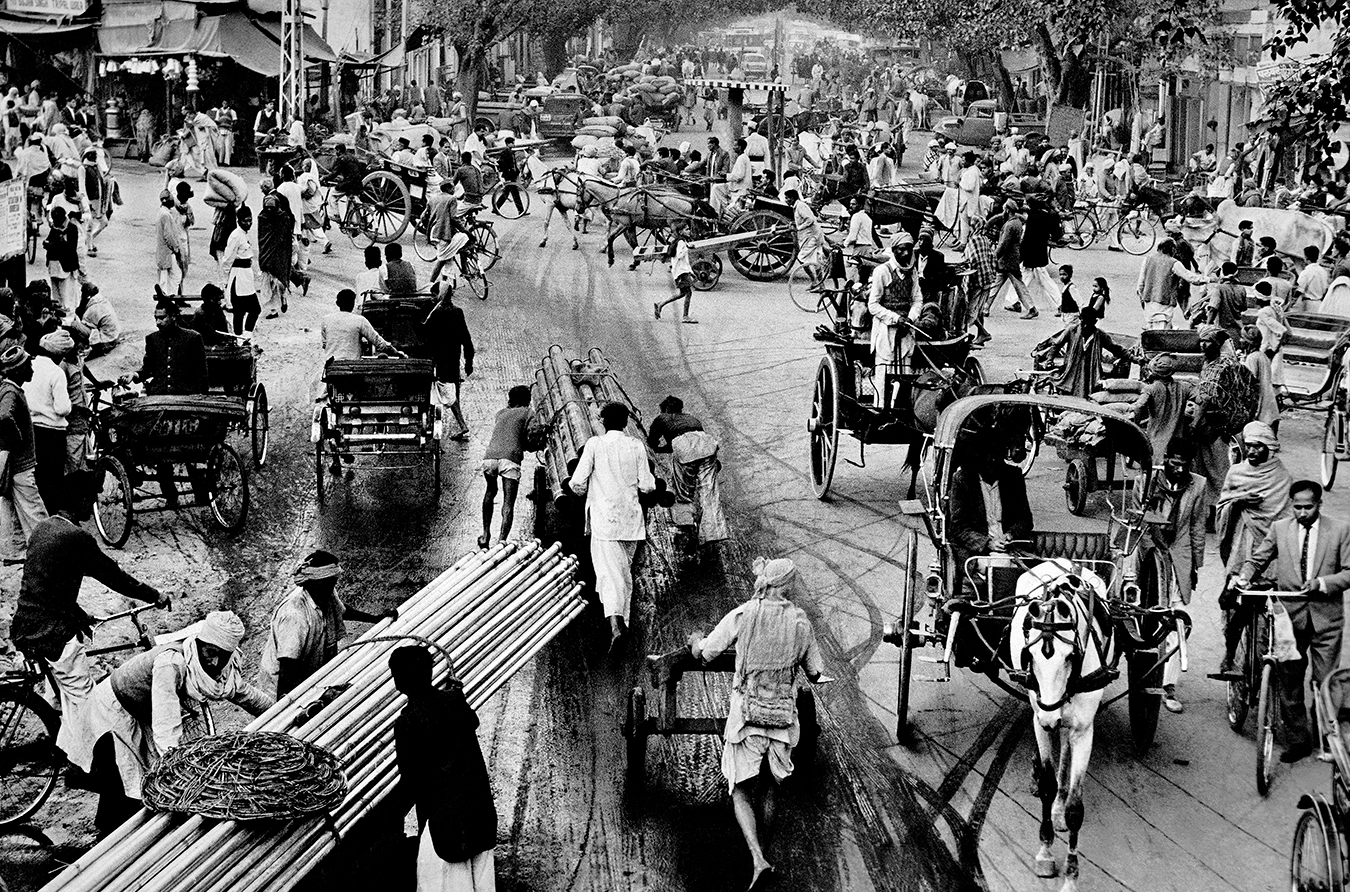
No. Let me tell you, there is no Eastern style, British style or French style. Where we can be different is the fact that I was born and brought up here. And I have been photographing my country, India, very deeply compared to any other Western photographer, except Bresson. He could work anywhere very instinctively. So instinct is the biggest asset, which gives you very precious moments—moments which are very deep and intense and embedded in the cultural life of the people. The difference is that, because I have lived and learned here, I understand many nuances and details. Compared to any Western photographer who comes to India, my images carry a deeper sense of those nuances and a richer detail of my country.
The people in your images often seem to take on a sculptural, almost iconic quality. What is it in your aesthetic that captivates the audience?
I will say my pictures of daily life should reflect lots of inner music. Because music is something so soulful for human beings that each of us has some kind of rhythm and music playing inside us. When we connect with reality and every inch of space mentally, physically and spiritually, the music and rhythm within us are reflected in the energies around us.
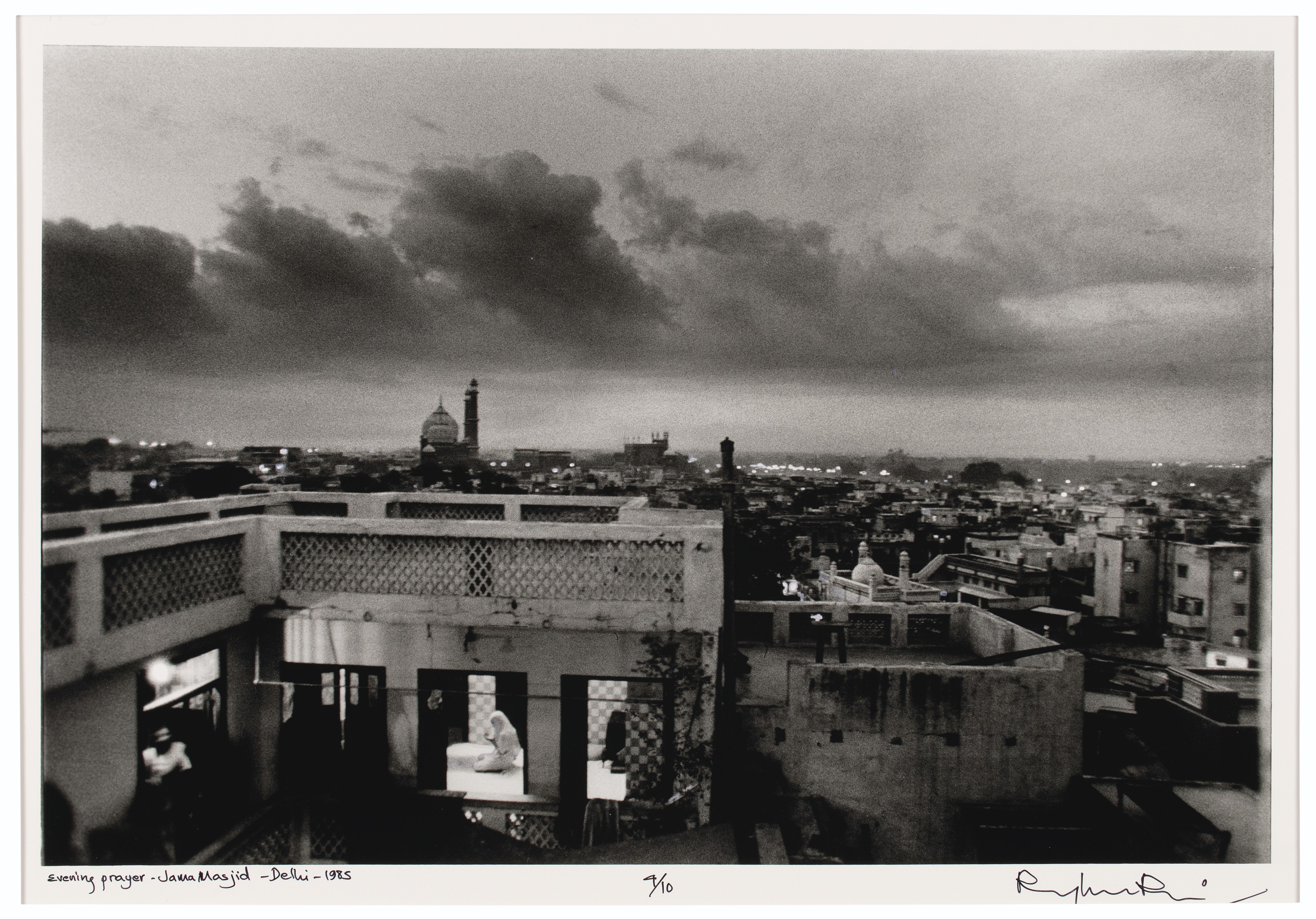
And that rhythm makes life playful. That play of life has its own structure. These are very sculpture-like qualities of characters taking shape in front of you. So, this is something very unique when you fully attend to reality or nature. With your intuitive responses, this music plays the tune of life right in front of you. So, nature and life begin to perform for you. Because you are within them and they are within you. You are not outside it.
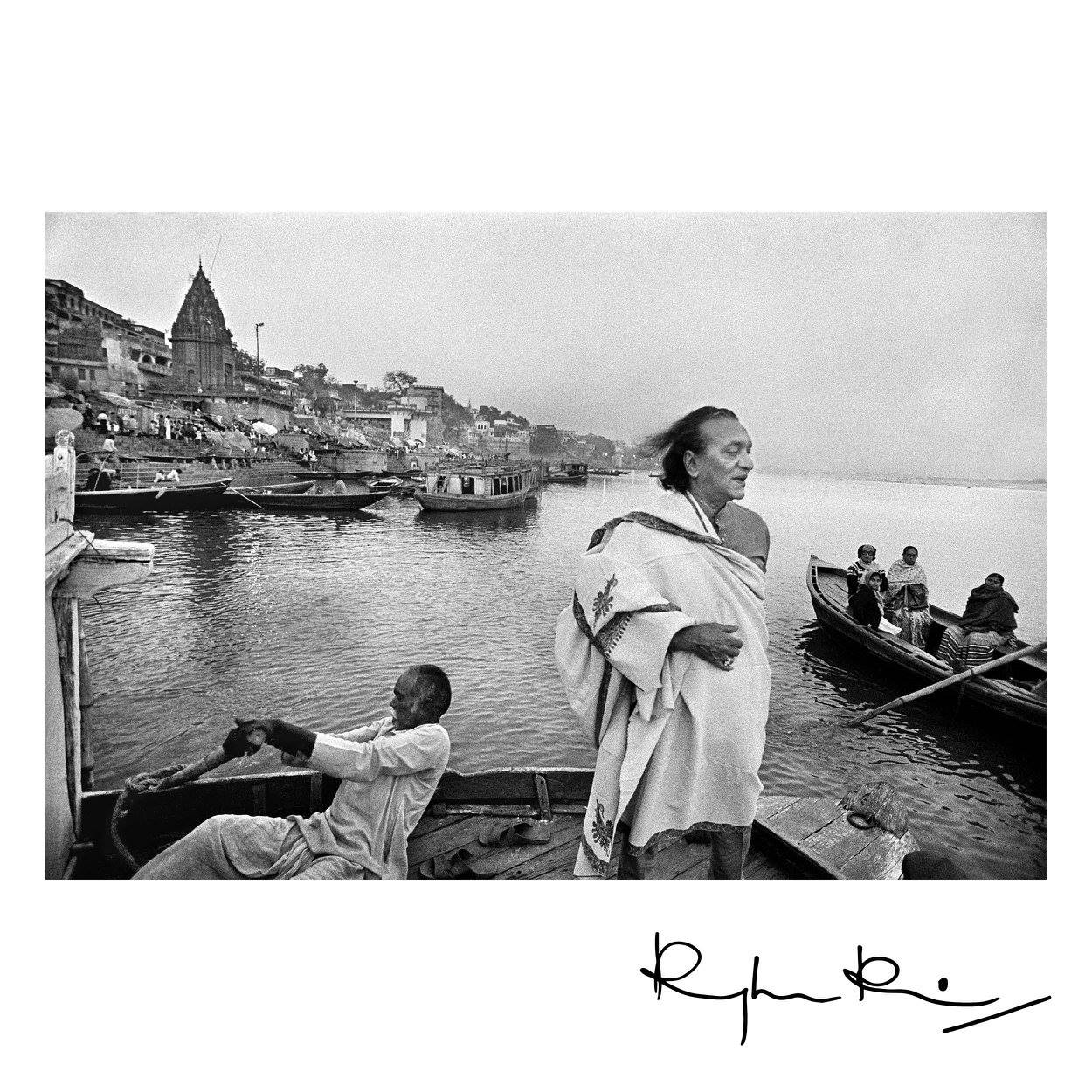
I was thinking of your photograph of Ravi Shankar on the boat, with his hair blown by the wind. What were you feeling in that moment?
You see, this is what happens when you connect one hundred per cent. When you are completely dedicated to experiencing what’s going on around you, then nature begins to perform for you. We were doing a special series on great masters of Indian classical music. I had been photographing him at his residence in Delhi, in concerts, and everywhere. So, he said, “You must come with me to Varanasi, where I have a school where we teach music.” We spent days while he was teaching his students, enjoying himself being with them. Later in the evening, I asked him what we would do now. He said, “My most favourite aspect of being here is to spend the evenings on the Ganga. Let’s go to the Ganga and have a cup of tea.” The boatman knew him. We were just going in the boat, then the breeze came, the magic happened, and we got the picture.
Can you remember the first time you met filmmaker Satyajit Ray?
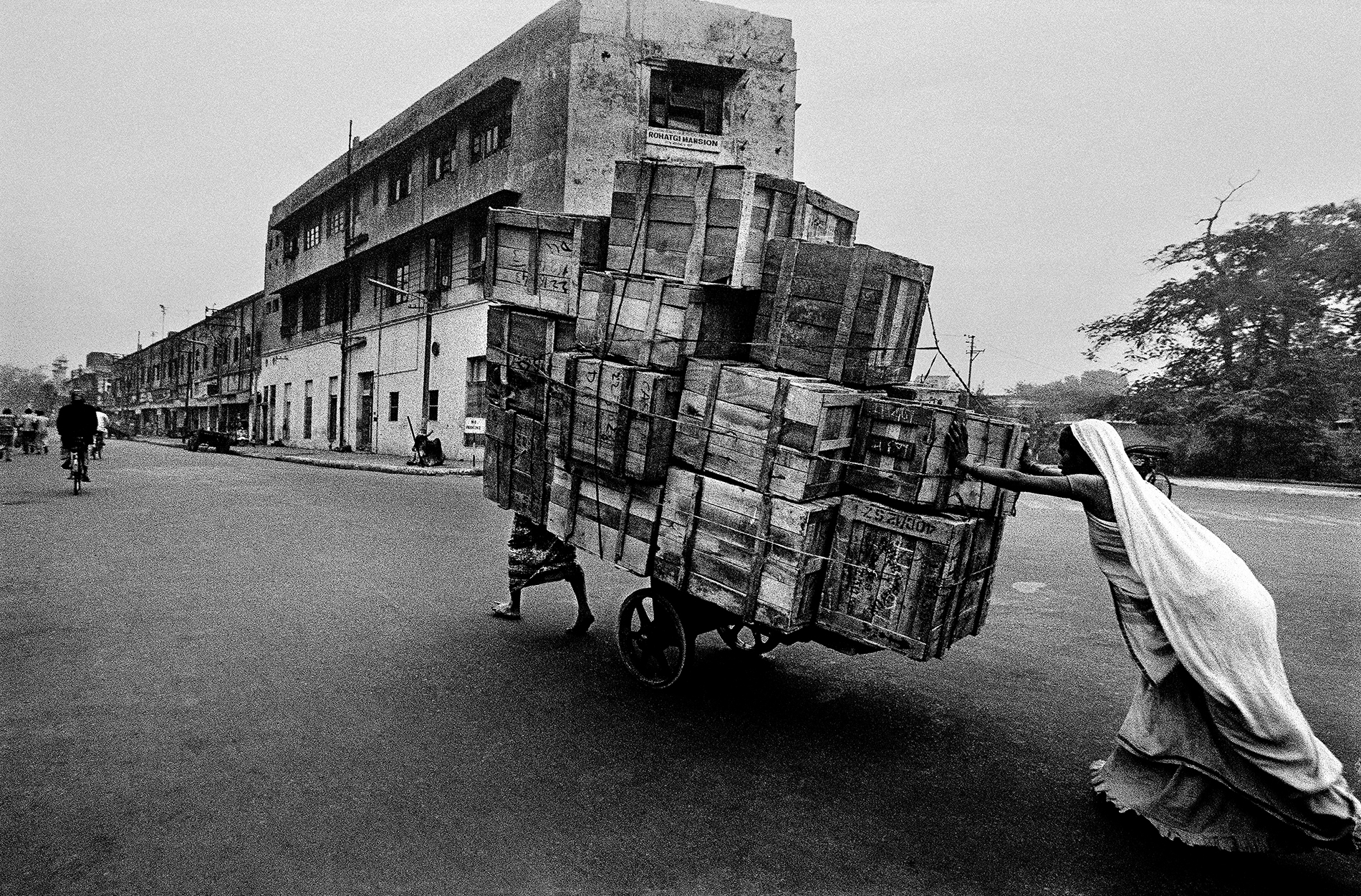
There was a photography contest named the ‘Made for Each Other Photography Contest’, and they invited Satyajit Ray and me to be part of the jury. That is where I met Satyajit Ray for the first time. But Manik’da, you know, the first day we met, said, “Raghu, your picture—the photograph where the woman is pushing the cart and the husband is in front—is such an amazing image that I can never forget it.” So, that was something important to me.
That was a picture in my Delhi book. A woman is pushing a cart while her husband walks ahead, with a building and stacked boxes in the background, and he said the image had stayed deeply ingrained in his mind. That was quite a compliment for me, coming from a maestro like him.
How do you approach your vision, and how should young photographers choose their subjects?
It is very simple. To me, when I move around, everything matters in my space. Big, small, significant, insignificant—everything matters in my space. So, when you learn to relate to every inch of space, things come into a rhythm. If everything matters, then everything has some meaning and value. And if you look at the world like this, then the whole world is very meaningful. So is your frame.
You have photographed refugees of the Bangladesh War and figures like the Dalai Lama, and you yourself are a refugee. When you were five, your family fled Jhang in Pakistan. Did you ever consider returning there to take photographs?
When I went to Pakistan in 1977 with our foreign minister, Atal Bihari Vajpayee, this was the first time any Indian foreign minister went to Pakistan. Some of us journalists from India had gone with him. Zia-ul-Haq was the president back then. After the reception for our minister, we were all invited to the presidential house. So, when he met each one of us, he made it a point to ask us whether we were born there or in India. I said, “I was born here in Pakistan.” He asked, “Where?” I replied, “In Jhang, Punjab.” He then asked, “Would you like to visit?” I said, “I would love to.” So, the next day, I got a presidential car from Zia-ul-Haq to go to my hometown, where I was born.
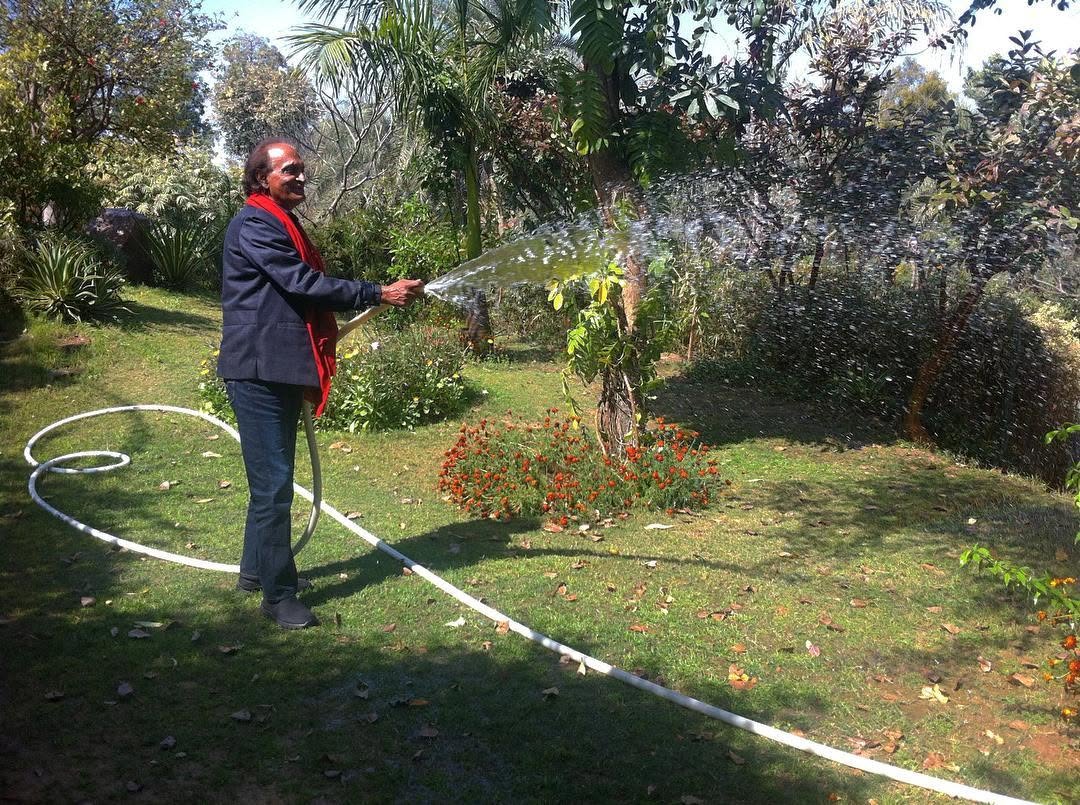
We noticed a deep connection between you and the plants in your six-acre school garden. What is the relationship between nature and how you feel?
You know, the connection is always there. Because I love nature. For me, nature has abundance, tenderness, and a freshness of its own kind. Tending to it and giving it time rejuvenates me. I walk into the space at the farm, and among the plants and the trees that I have planted over twenty years, somewhere nature has a beautiful surprise waiting for me. And I look at it, the tenderness of the leaves, the freshness of the colours, and the flowers that have just sprouted out of nothing.It signifies the magic that can revive you all over again in any given situation. Only nature can do something like that. Even if a tree is one hundred years old or one hundred and fifty years old, when spring comes, it is filled with tender, sprouted leaves and flowers. We humans can’t do that. So, this is very important for me.
Amirul Rajiv is an art historian, curator, and co-founder of Duniyadari Archive.
Send your articles for Slow Reads to slowreads@thedailystar.net. Check out our submission guidelines for details.

157th Birth Anniversary of Mahatma Gandhi / Gandhi’s return to Noakhali
Why does Tagore still trouble Bangladesh’s idea of ‘us’?

Can Bangladesh make better use of its zakat money?
Three revolutions that reshaped the world
Paradise lost and found: Rediscovering early modern Bengal
Unbound Mother: The making and remaking of Kaali in Bengal

Do great leaders make history, or does history make them?
Poison and cremation: A forensic history of colonial Bengal