A crime history of Bengal: When rivers became a haven for dacoits

In 1884, the famous Bengali novelist Bankim Chandra Chattopadhyay published his novel Devi Chaudhurani, where the protagonist, a young woman by the name of Prafulla, shunned by her in-laws, becomes the queen of dacoits — Devi Chaudhurani — a Robin Hood-like figure who looted the rich for the benefit of the poor. Unlike the fabled Robin Hood, however, Devi Chaudhurani did not inhabit the forests but meandered along the rivers of Bengal in a bajra (long boat) with her trusted companions and under the guidance of Bhavani Pathak, a shrewd but knowledgeable Brahmin.
The duo always targeted British East India Company officials and local unscrupulous zamindars (landowners), who, they felt, tortured poor peasants for taxes and crops. As a result, they were feared by the British and tyrannical zamindars alike, but loved and respected by the poor and oppressed.
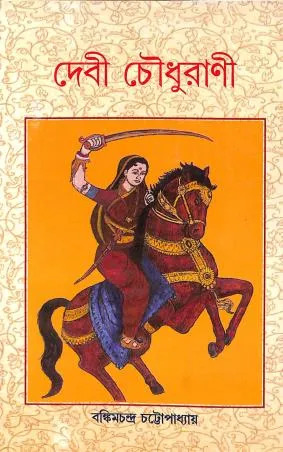
This image of the Bengali dacoit, as portrayed by Bankim, was rooted in literary fantasy. Indeed, dacoity, or gang robbery, was an endemic problem of rural Bengal during much of the colonial period. The image of the dacoit as portrayed by Bankim in his famous novel was at variance with colonial accounts of the same. British administrators had their own perception of dacoity. For them, the Bengal dacoits were not like thieves in England who got involved in criminal acts as a result of immediate need. They were professional thieves and sometimes even trained for that purpose. Thus, the British writer John William Kaye wrote in 1853 that there were robber castes in India just as there were soldier castes or writer castes.
But this colonial interpretation of hereditary criminality was challenged by later Marxist writers like Suprakash Ray, who held British colonial rule to have been chiefly responsible for rural immiserisation and the increasing incidence of dacoity, particularly following the great famine of 1769–70 that depopulated the countryside and forced men of even “the fairest characters” to take recourse to banditry.
Ray’s conclusions were vindicated by Ranajit Guha, who also saw poverty as the principal cause of the recurrent incidence of dacoity. Guha was also inspired by the writings of the British historian Eric Hobsbawm, who put forth the concept of “social bandits” as “peasant outlaws” regarded as criminals by the state but nonetheless considered by the common people as heroes and champions. In Bengal, many popular stories of such social bandits exist, as collected by Jogendranath Gupta in his book Banglar Dakat and Maharani Sunity Devee in her book Bengal Dacoits and Tigers.
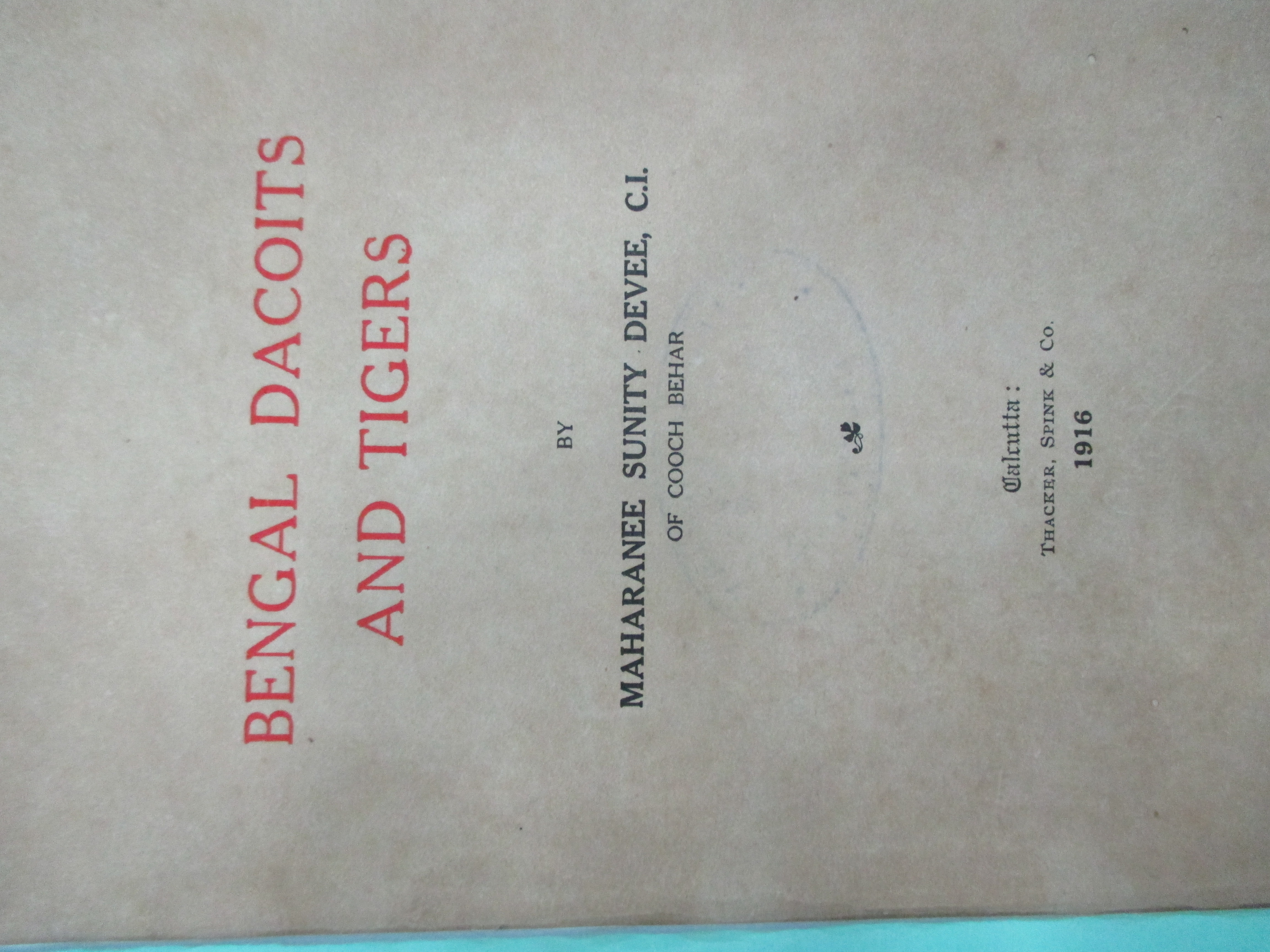
Sifting through these folk stories as well as colonial records, one gets the unmistakable impression that in Bengal the crime of dacoity accelerated during colonial rule and that the numerous dacoit gangs infesting the countryside posed a serious threat to the established law and order.
While most scholars have underscored the socio-economic transformations taking place under colonial rule as the primary cause of the increased incidence of dacoity, one needs also to keep in mind the topographical factor — in this case, Bengal's riverine ecology.
Before disemboguing their waters into the Bay of Bengal, the Ganga-Brahmaputra rivers branch off into a thousand rivulets that create a virtual maze of water channels near the sea. Into this maze of rivers, it was easy for fugitives to lose themselves.
As one nineteenth-century surveyor reported: “A man who travels by land is likely to be seen by villagers who live along the route he takes, and if he wishes to carry property with him, he is tied to a few high roads and to a slowly moving cart. But in the flooded tracts a person who is wanted by the police can at a moment's notice disappear. He has only to step into a boat with his belongings and in five minutes he is swallowed up into that waste of water, leaving no tracks behind him, no traces of his movements… amidst these gigantic rivers, with their network of minor channels and huge swamps, he vanishes from mortal ken and none, even if they wished to do so, can say where he is gone.”
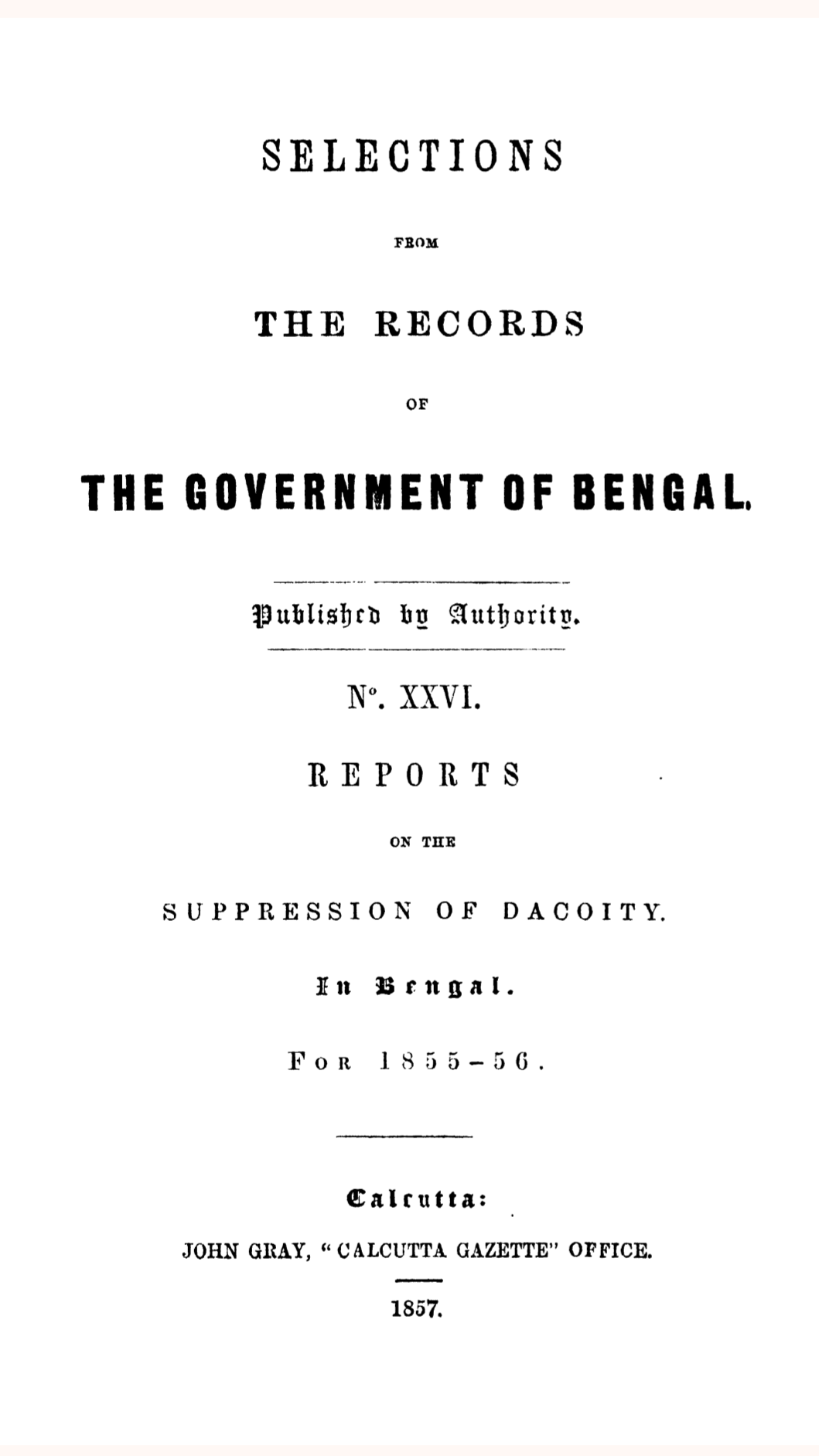
The problem of dacoity was therefore particularly acute in the lower Bengal districts. Here the dacoits were mostly majhis and dandies of boats who were familiar with every creek and passage within the delta. They generally attacked boats carrying valuable merchandise, about which they were informed by the ghat-majhis — a class of transport workers who kept meticulous records of boats and their commercial cargo. Beveridge, in his survey of the Bakarganj district, observed that the “great trade of Bakarganj, and the facilities for escape offered by its rivers and jungles rendered it a favourite haunt of dacoits or gang-robbers.” Similarly, Baidyabazar, a large market situated on the right bank of the Meghna River, had an “unfavourable reputation” for being the scene of frequent river dacoities. In fact, the Dakatia River, which was a tributary of the Meghna, was named so because it was infested by dacoits.
Under the Mughal system of governance, the zamindars, or local landholders, erected chaukis or toll stations along the rivers, since these were the primary arteries of commerce. But under the East India Company, zamindari chaukis were abolished to facilitate the free movement of goods, though this jeopardised the economic interests of the zamindars in the process. Under the Mughal dispensation, the zamindars were also responsible for the law and order situation within their estates. But following the new revenue arrangements of the East India Company, zamindars were gradually shorn of their law and order responsibilities. By the Permanent Settlement of 1793, zamindars had become landlords of the English type, and their judicial responsibilities were given to a British magistrate who maintained law and order with the help of a daroga.
According to John McLane’s analysis, the Permanent Settlement gave a fresh impetus to banditry in Bengal. This new species of dacoity was conducted not by armed gangs of sannyasis who had ravaged Bengal in the post-famine years (1769–70), but mostly by lowland villagers in concert with zamindars and local officials.
The way the dacoits operated within the riverine landscape is also very interesting. They used to build pansways (pansi), “of the snake kind, which row twenty oars or more, and go prodigiously swift”. These they used to arm with matchlocks, pikes, and scimitars. In the daytime, these bandits were reported to have hidden “themselves and (the) boats in small nullahs (streams) near the borders of the woods”, and in the night they sallied forth and plundered or destroyed “everything they come to, be it boat, house or village”. Their intelligence network also was supposed to be very good.
Some of the petty zamindars of the southern parts were concerned in these banditries and kept boats and men ready for the purposes of robbery. In 1793, the Company, in an attempt to check river dacoities, forbade boats of dimensions approaching those used by the banditti from being either manufactured or used in Bengal. The order, however, was full of ambiguity, and the thanadars (police officers), in an attempt to enforce it, confiscated the pansways that were generally used by merchants. The regulations, therefore, instead of putting an end to river dacoities, adversely affected trade and commerce.
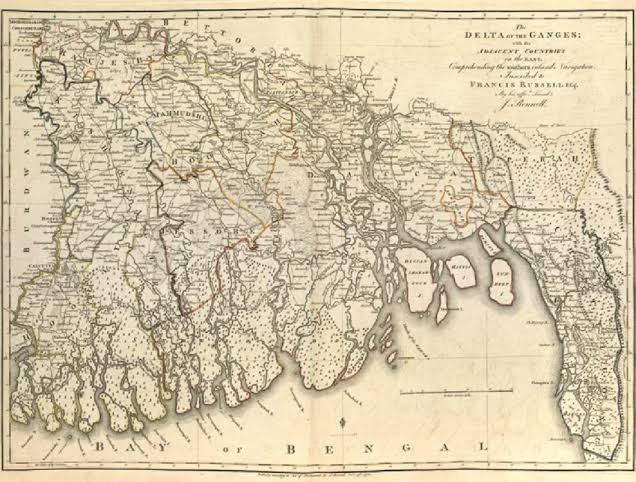
According to Iftikhar Awwal, gang robbery in Bengal remained comparatively low until about 1840, but started to climb again, reaching the figure of 615 in 1849 and, in the years 1852 and 1853, 786 and 774 respectively. A Dacoity Commission was thus instituted in April 1852 for the suppression of dacoity in Bengal.
While the commission obtained significant success in checking river dacoities around Hooghly and Nadia, the problem nevertheless persisted in an acute form, particularly in the char lands (riverine islands) of south-eastern Bengal. These chars, or mud-banks, were difficult to police given their ephemeral nature. As late as 1911, several infamous gangs of dacoits operated in this area, such as the Nalchar-Tulatolly and the Palot gangs.
According to the official records of the British government, Nalchar was a char land of the River Meghna and was surrounded on all sides by the river and its tributaries. Since the chars were quite sandy and uncultivable at first, their initial settlers took to looting boats, hundreds of which passed daily through the Meghna. The settlers of Nalchar intermarried with the people of Tulatolly and jointly committed crimes on the rivers, whereby the gang acquired the name Nalchar-Tulatolly. Although the boats of the Shahas, or merchants, plying the rivers were the usual targets of these gangs, they sometimes also committed petty thefts in which ordinary villagers were affected. In such cases, the booty consisted of baskets of paddy, umbrellas, shoes, clothes, glass utensils, knives, quilts, boxes, etc., that were given to a “receiver” who disposed of them in hats or local markets.
The official records also suggest that most of the gang members had their own houses and lands varying from 1 to 15 bighas. The decision to undertake dacoities was therefore prompted by the prospect of quick gain or by the influence of neighbours. In his confession before the magistrate, Farazi Kandi of the Nalchar gang admitted: “I frequent Homa Gazi's house. Homa Gazi told me that I would be able to better my miserable circumstances if I committed thefts with him.” Another dacoit, Khosal Khan, belonging to the Palot gang, confessed before the magistrate that he had been falsely implicated in a case of theft by one Khadem Chaukidar. Aggrieved and annoyed at the false allegation, he took to dacoity.
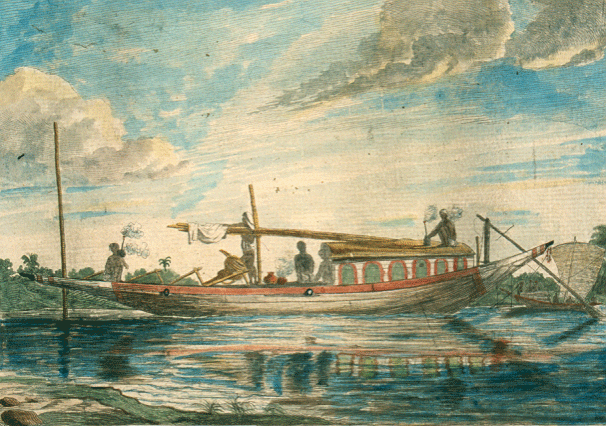
The deltaic ecology provided refuge for and facilitated the movement of these dacoits. Under the circumstances, it seems that the bandit Bishtoo Ghosh did not exaggerate when he confessed that many of the Bengali bandits indulged in robbery even when they did not require the money simply because “the police never caught us”.
Given the fact that these bandits often had ties with the local elite or zamindars, and that their victims were not just rich merchants but also ordinary villagers, it is difficult to sustain the image of the social bandit of the Robin Hood archetype in the context of rural Bengal. At the same time, it is difficult to agree with the colonial contention that Bengali bandits were professional robbers. As their confessions before the magistrate show, an overwhelming number of the accused were first-generation dacoits. Taking good advantage of the fluid politics and topographical conditions of Bengal, the Bengali bandits created problems for the colonial state. But far from being proto-nationalists of the kind envisaged by Bankim, they were, at best, opportunists in unsettled times.
Dr Baijayanti Chatterjee is an Assistant Professor of History at Seth Anandram Jaipuria College, Calcutta University
Send your articles for Slow Reads to slowreads@thedailystar.net. Check out our submission guidelines for details.

157th Birth Anniversary of Mahatma Gandhi / Gandhi’s return to Noakhali
Why does Tagore still trouble Bangladesh’s idea of ‘us’?

Can Bangladesh make better use of its zakat money?
Three revolutions that reshaped the world
Paradise lost and found: Rediscovering early modern Bengal
Unbound Mother: The making and remaking of Kaali in Bengal

Do great leaders make history, or does history make them?
Poison and cremation: A forensic history of colonial Bengal