


Digitalising Libraries to Enlighten the Modern Youth
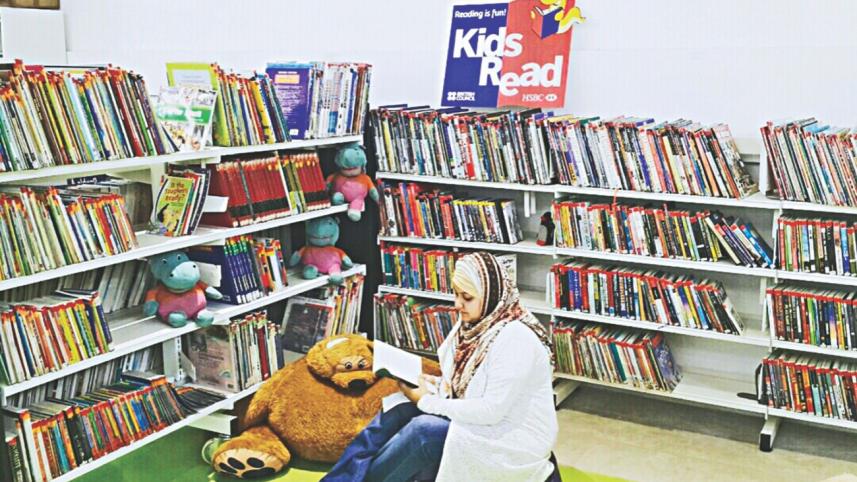
Wisdom, gained from knowledge, is the light that carries civilisations through the darkness of ignorance. Knowledge on the other hand comes from information. Where does information come from? Throughout history, the prime source of information for people about the world inside and out has been books. Libraries have been built by civilisations across the globe in recognition of the fact, so that citizens in need of knowledge and information could avail them all under one roof.
However, with changing time, how people look for and obtain knowledge has transformed. Today's youth, more tech savvy than any of their predecessors, are used to having access to the world at the tips of their fingers. For getting the information they want, they prefer going online to get precisely what they need instead of surfing through volumes of pages in the library.

Most of us fail to realise that libraries are more than simply a store of knowledge. They are centres which offer people a dedicated environment to conceive, ponder over and discuss ideas - ideas which often become keys to transforming societies. Libraries catalyse a civilisation's progress while preserving its values. But in the age of digitalisation when people interact more online and less face to face, how would libraries cope up to ensure that the collective progress of civilisation do not become stagnant? Sarwat Masuda Reza, who has been leading the Library and Cultural Centre Team of the British Council Bangladesh for over nine years, has an answer.
"The advancement of digital technology, although has instigated replacement of books by e-books, has not made libraries redundant, contrary to what many of us may think. It has simply signalled the need of libraries to digitalise as well. We, at the British Council, in recognition to this reality, have taken steps to accommodate the needs of a modern, global citizen," she says.
She has struck the right chord, and it reflects in the British Council's state-of-the-art Library and Cultural Centre which boasts a collection of over 35,000 books, DVDs and journals as well as a vast array of online academic resources including 4,000 titles of e-magazines. In addition, the Centre conducts regular outreach programmes in partnership with corporations and educational institutions, prominent among which are the Book Reading Competition, the Kids Read and Play Learn Act, Reading Challenge from Reading Agency, and Celebration of World Book Day. The adaptive intent and innovative zeal of the British Council's Library and Cultural Centre has already earned it over 32,000 members till date.
"Over the years, Bangladesh has been catching up with the digitalising world at a rapid pace. The youth, who form a vast majority of the country's population, are already adept at the digital way of life. Their pursuit of knowledge is also highly dependent on digital means. In order to encourage them pursue knowledge, libraries need to adapt to digital means of storing and disseminating the wealth of information that they nurture, so that the youth stay encouraged to visit them and to enrich themselves," says Sarwat.
Libraries possess the soul of a civilisation. The youth of a civilisation are flag bearers of its future. In order to ensure that the youth remain in touch with a civilisation's values and morals while taking it forward, libraries must adapt to the needs of the youth, so that sustained progress of a civilisation is ensured.
 For all latest news, follow The Daily Star's Google News channel.
Comments