


‘We’ll celebrate Eid only when we return to our homeland’

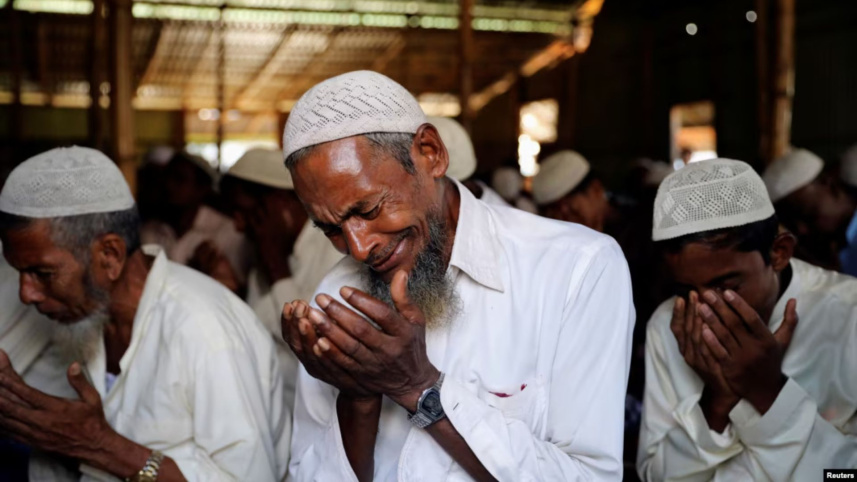
“We used to sacrifice a cow every Eid. Those are now just distant memories.” Eid brings little joy to young Rohingya Mujibur Rahman, who recalls the celebrations in Myanmar’s Rakhine state nine years ago.
Now living in a refugee camp in Bangladesh, he says the festive spirit has been lost in the harsh realities of displacement. “The unbearable refugee life has confined our Eid joy within filthy, overcrowded camps,” he said.

Mujibur, founder of the Arakan Rohingya Football Association, said his family was once financially stable. In 2014, when he was in ninth grade, his father bought him a Yamaha motorcycle.
“Here, we are living as refugees. I cannot buy a motorcycle and go out even if I want to. I cannot arrange good food and share it with others. Our hopes are fading day by day.”
He added that many Rohingyas no longer believe in promises of repatriation. “Leaders have been coming and making promises, but we may never return home,” he said.
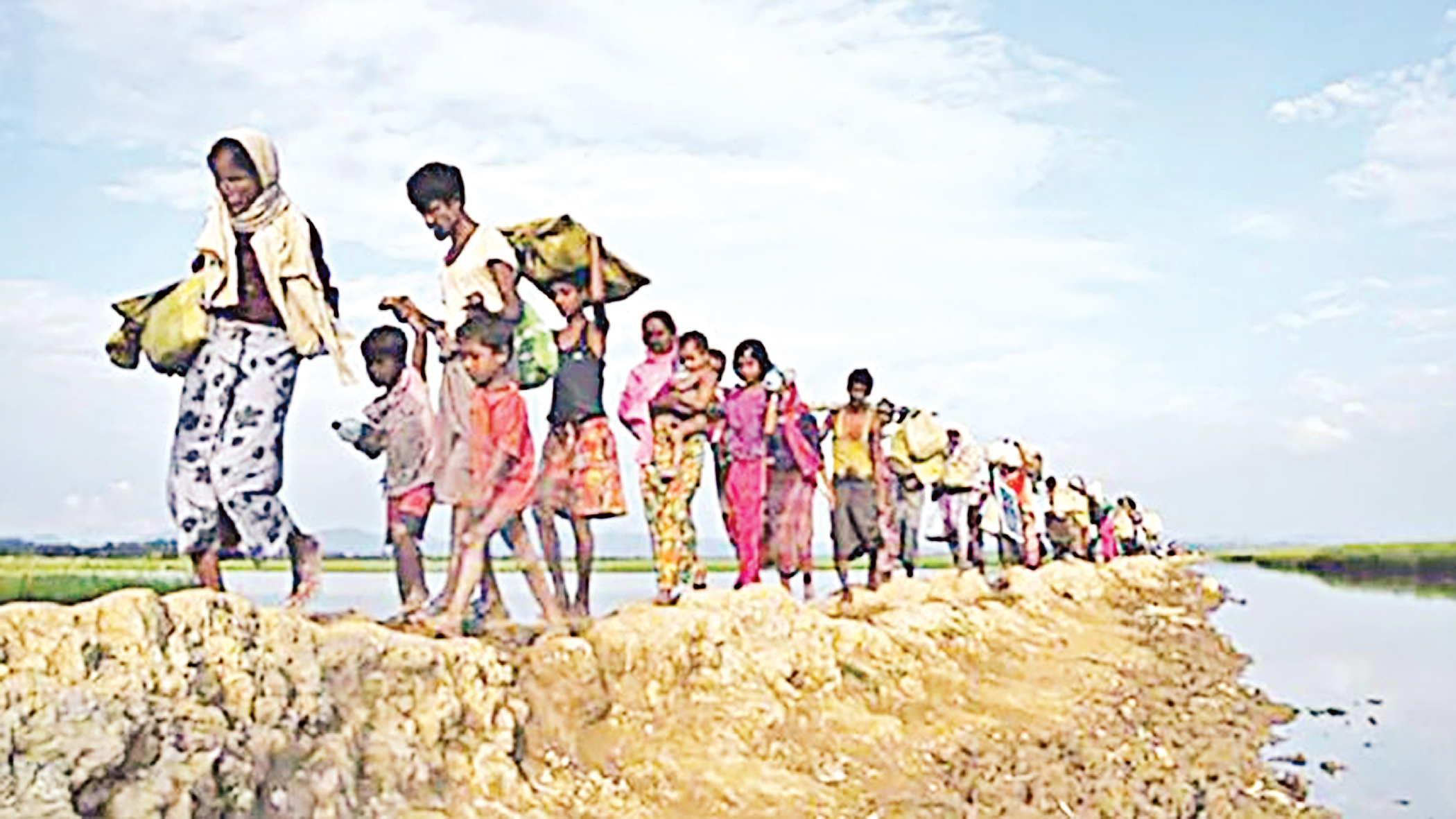
Since the mass exodus of 2017, discussions on Rohingya repatriation have continued, but not a single refugee has returned to Myanmar.
Instead, Rohingyas continue to arrive in Bangladesh, although that number has declined with time.
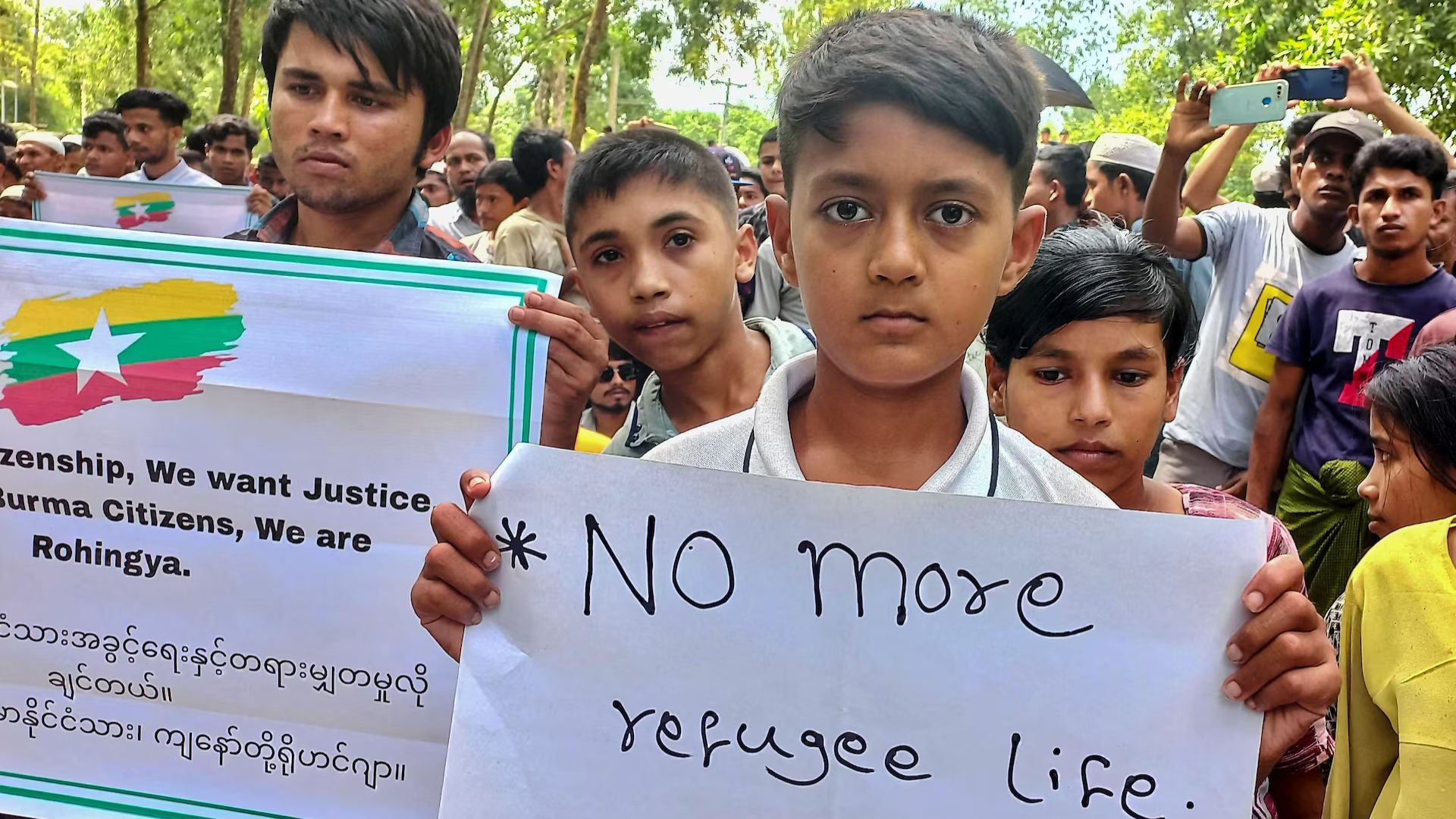
According to UNHCR data, around 1.2 million Rohingya refugees are currently living in Bangladesh. This includes about 145,000 who have fled since 2024 and completed biometric registration.
Officials at the Refugee Relief and Repatriation Commissioner’s office said nearly 200,000 Rohingya have entered Bangladesh since 2024, with many yet to be registered.
Md Zubair, chairman of the Arakan Rohingya Society for Peace and Human Rights, said the lack of income and dependence on aid make it difficult to celebrate Eid.
“How can Rohingya enjoy Eid when they have no work, no income, and rely only on food rations? We will celebrate Eid only when we return to our homeland,” he said.
“We are losing hope. We expect the new government to work with the international community to create a safe environment in Myanmar. If we are sent back without guarantees, we may face persecution again,” he added.
Refugee Relief and Repatriation Commissioner Mohammad Mizanur Rahman said Bangladesh alone cannot resolve the crisis.
“No one can solve this problem single-handedly,” he said.
On repatriation, he said there has been no meaningful progress. “The new government may take initiatives, but there will likely be continuity with previous efforts.”
He said the situation in Myanmar, particularly in Rakhine state, remains the main barrier.
“Without stability, no initiative will work. The situation has become more complex. Earlier, it involved government forces, but now a large part of Rakhine is under the control of the Arakan Army, while conflict continues,” he said.
Lawmaker from Ukhiya-Teknaf Shahjahan Chowdhury said the burden of the crisis falls heavily on local communities.
 For all latest news, follow The Daily Star's Google News channel.
 “Whenever violence escalates in Rakhine, Rohingya cross into Bangladesh. This is an international issue, but our people bear the suffering,” he said.
He urged the government to take steps for safe and dignified repatriation.
UNHCR Bangladesh spokesperson Shari Nijman said, “These communities are already struggling with limited resources and overstretched humanitarian services.
“Rohingya refugees want to return home when conditions allow, but those conditions do not exist yet.”
She said continued international support is essential, along with opportunities for refugees to build resilience and skills for eventual return.
For many Rohingya in Bangladesh, this Eid marks their ninth in displacement. “Each year, they hope to celebrate the next Eid at home in Myanmar. That hope remains,” she said.
Comments