


Govt working on dialogue with Myanmar, Arakan Army for Rohingya repatriation: Khalilur
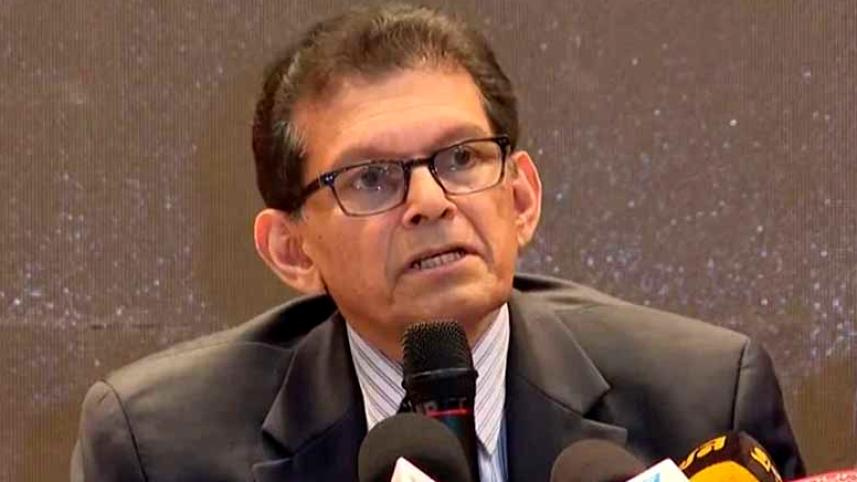
Foreign Minister Khalilur Rahman today told the parliament that the government is working to establish effective dialogue between the Myanmar authorities and the Arakan Army to help create a stable environment in Rakhine state.
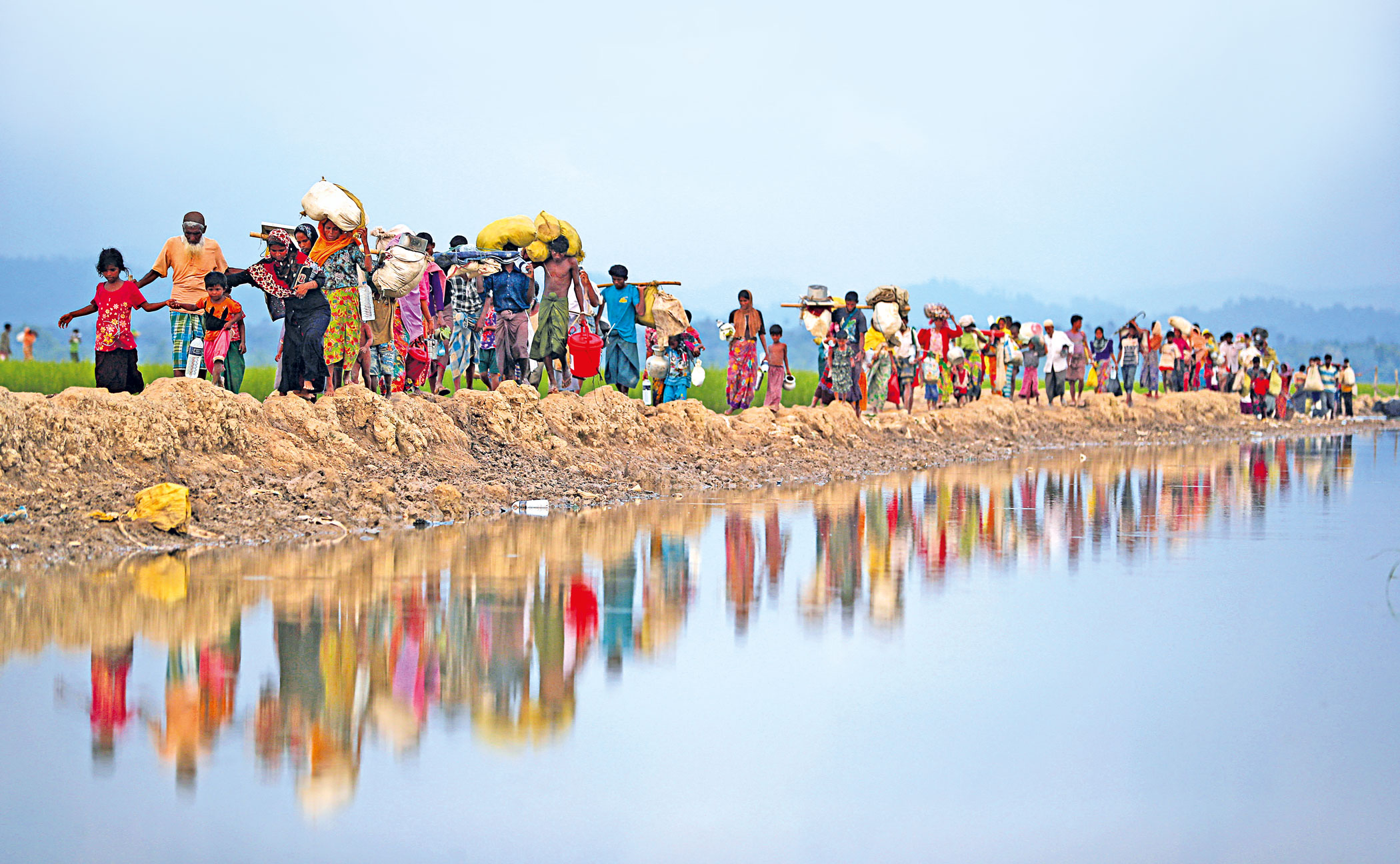
He noted that the repatriation of Rohingyas -- and resolution of the broader crisis -- depends largely on the security situation in Rakhine.

Responding to a question from Chattogram-15 MP Shahjahan Chowdhury in parliament, the foreign minister described the Rohingya repatriation as a “complex, sensitive, and multidimensional international issue.”
He said the pace of resolution depends on three factors: the security situation in Rakhine, international pressure, and above all, the goodwill of the Myanmar authorities.
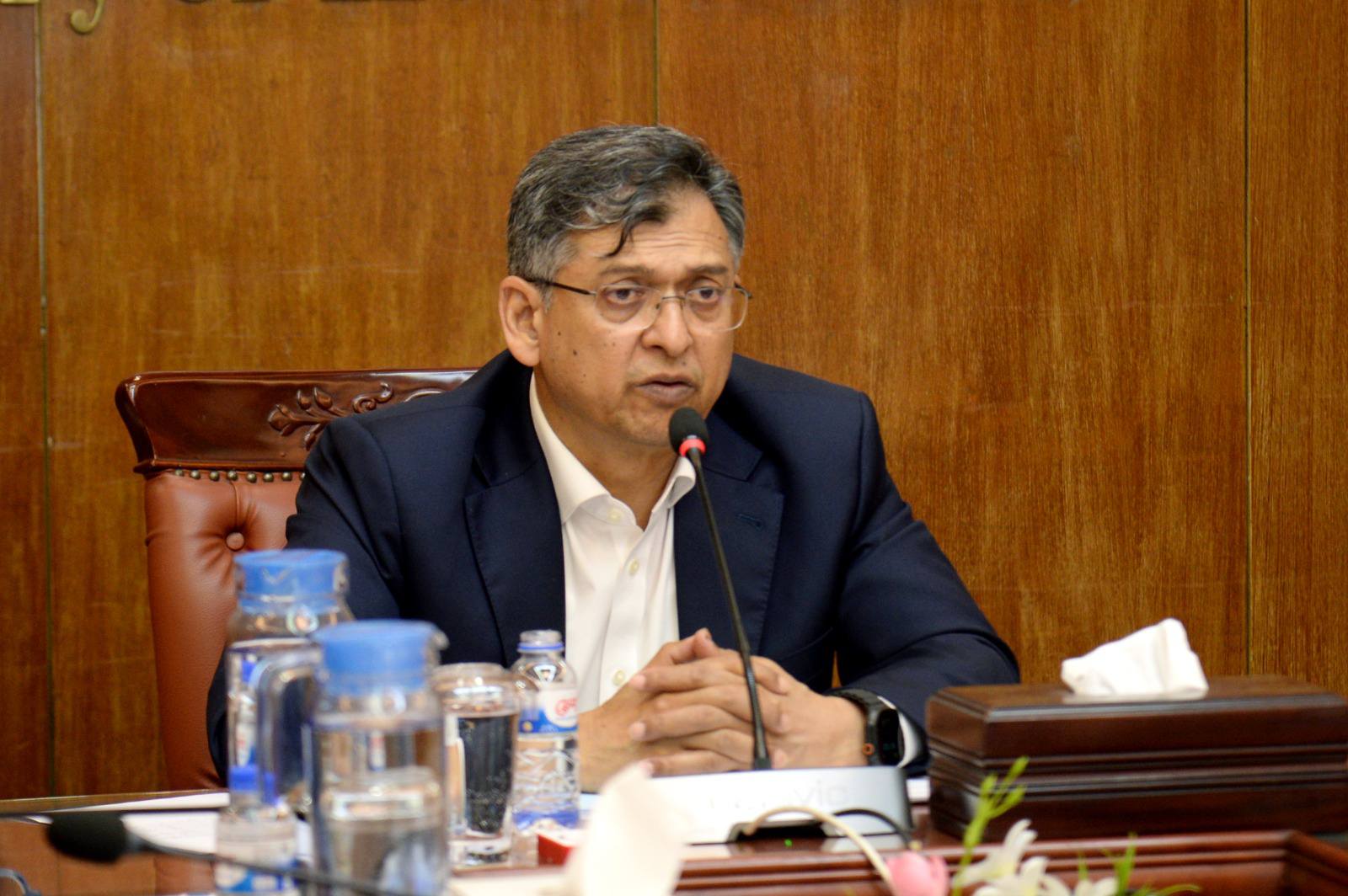
“Since ethnic conflict and war have persisted in Rakhine for a long time, repatriation cannot be forced or carried out in unsafe conditions under international law,” he said. “However, our government believes dialogue is vital to creating stability, and we are making efforts toward this end.”
He added that preparations are at a final stage so that safe and sustainable repatriation can begin once conditions are favorable. While no specific timeframe can be given, the government’s goal is permanent, safe, and voluntary repatriation of Rohingya Muslims, taking the right steps at the right time.
According to the latest UNHCR report, 1,189,213 Rohingyas are currently taking refuge in Bangladesh.
Khalilur said that the former Awami League government failed to take steps to resolve the crisis, instead seeking donor funds while portraying it as a humanitarian disaster. He said this approach diverted global attention from the plight of the Rohingyas and contributed to the crisis becoming more complex and prolonged.
To elevate the issue internationally, the interim government invited UN Secretary-General António Guterres to Bangladesh in 2025, during whichhe visited Rohingya camps in Cox’s Bazar. On August 25, 2025, a special stakeholder conference was held in Cox’s Bazar, followed by a day-long conference at UN Headquarters in New York on September 30, 2025, which helped place the Rohingya crisis at the center of global humanitarian debate, the foreign minister said.
Bangladesh has emphasised justice and accountability, supporting The Gambia’s case at the International Court of Justice (ICJ). Bilaterally, discussions continue with all parties, adapting to the evolving situation in Rakhine. Notably, after the current government took office, both Myanmar’s foreign ninister and the Arakan Army chief congratulated Prime Minister Tarique Rahman -- a gesture not seen before, Khalilur pointed out.
Verification of Rohingya identities is ongoing as the basis for repatriation. Bangladesh has sent data on 829,036 Rohingyas to Myanmar in six phases; Myanmar has verified 393,503 and officially recognised 283,086 as “persons who lived in Myanmar previously”.
The government is also exploring third-country resettlement, though the foreign minister stressed this is not a permanent solution.
“The only lasting solution is the safe, voluntary, and sustainable repatriation of Rohingyas to Rakhine State,” he said.
 For all latest news, follow The Daily Star's Google News channel.
Comments