Netflix's One Piece Season 2: The faithful voyage continues

After a surprisingly potent first season that exceeded nearly everyone's expectations, Netflix's One Piece live-action returns for its second iteration, riding a much larger wave of hype. As a longtime fan of the franchise, I approached season 2 with justified optimism.
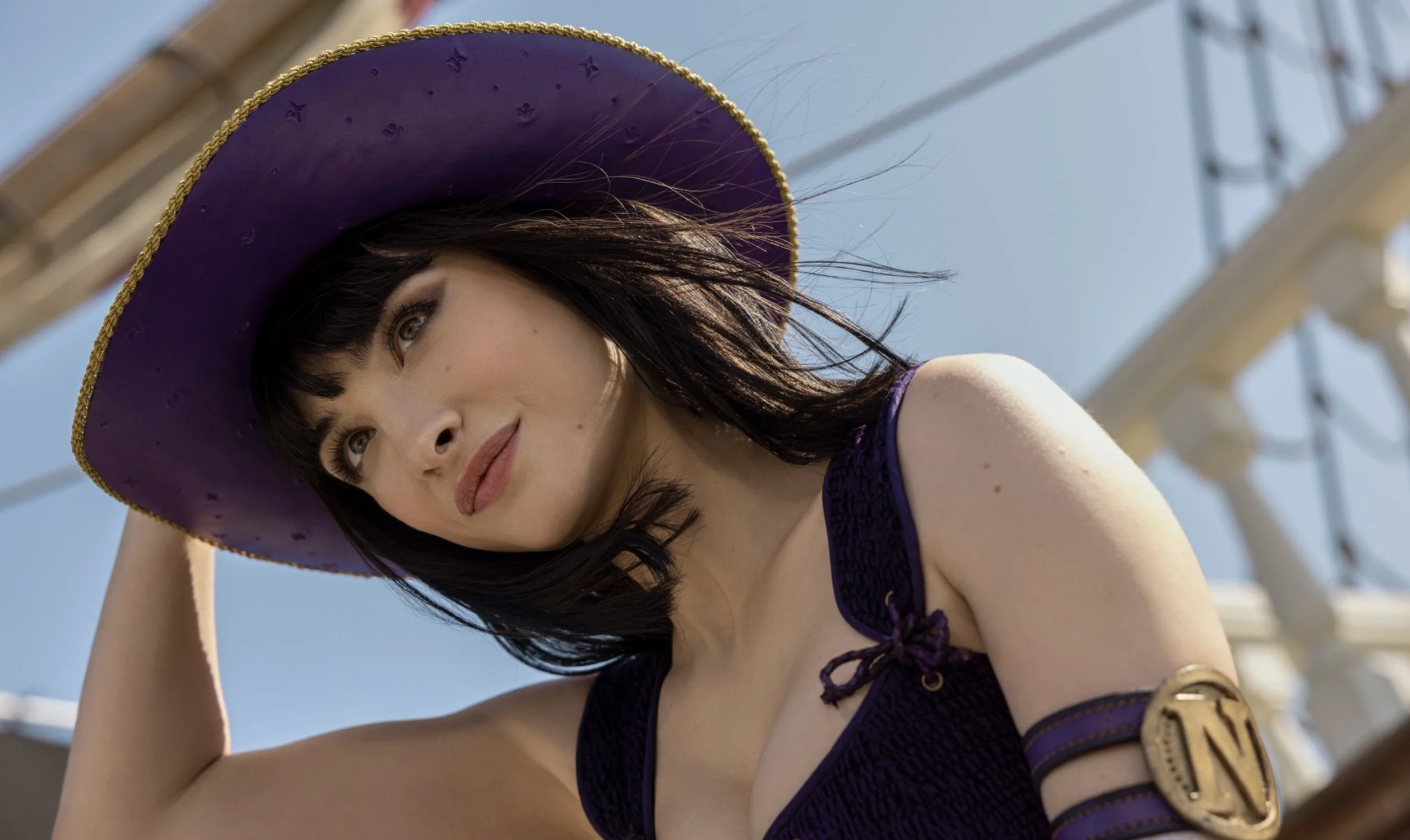

The first season proved that a faithful, heartfelt adaptation of Eiichiro Oda's magnum opus wasn't just possible; it was commercially viable and creatively sound. Now, with the training wheels off and the stakes higher, does the second voyage live up to the promise of the first?
A condensed cruise through beloved arcs
Season 2 adapts material from the Loguetown arc through the Drum Island arc, introducing a host of key characters along the way. For the most part, the narrative remains close to the source manga, with some surprisingly faithful inclusions featuring minor characters and even anime-only figures sprinkled throughout as Easter eggs for eagle-eyed fans. While a few impactful moments inevitably hit the cutting room floor to accommodate the compressed runtime, the season still manages to deliver a compact yet emotionally resonant retelling of these beloved arcs.
The cast continues to shine
The core cast continues to be the show's strongest asset, pulling considerable weight to keep the drama engaging. Jacob Romero Gibson's Usopp and Emily Rudd's Nami, in particular, deliver standout performances that feel truly faithful to their source material counterparts. As for the newcomers and side characters, they range from fitting casting choices to actors who look like they have stepped directly off Oda's pages, making the characters a treat to watch whenever they are on screen.
Where the live-action stretches thin
Adapting a series as deliberately cartoonish as One Piece remains a herculean task. No matter how much polish you apply, certain elements simply resist realistic translation. The most glaring example is the protagonist himself. Luffy, by design, is a “cartoon” character. He sports mannerisms and behaviours that no human being could ever naturally possess, made even more outlandish by his constant body-stretching abilities.
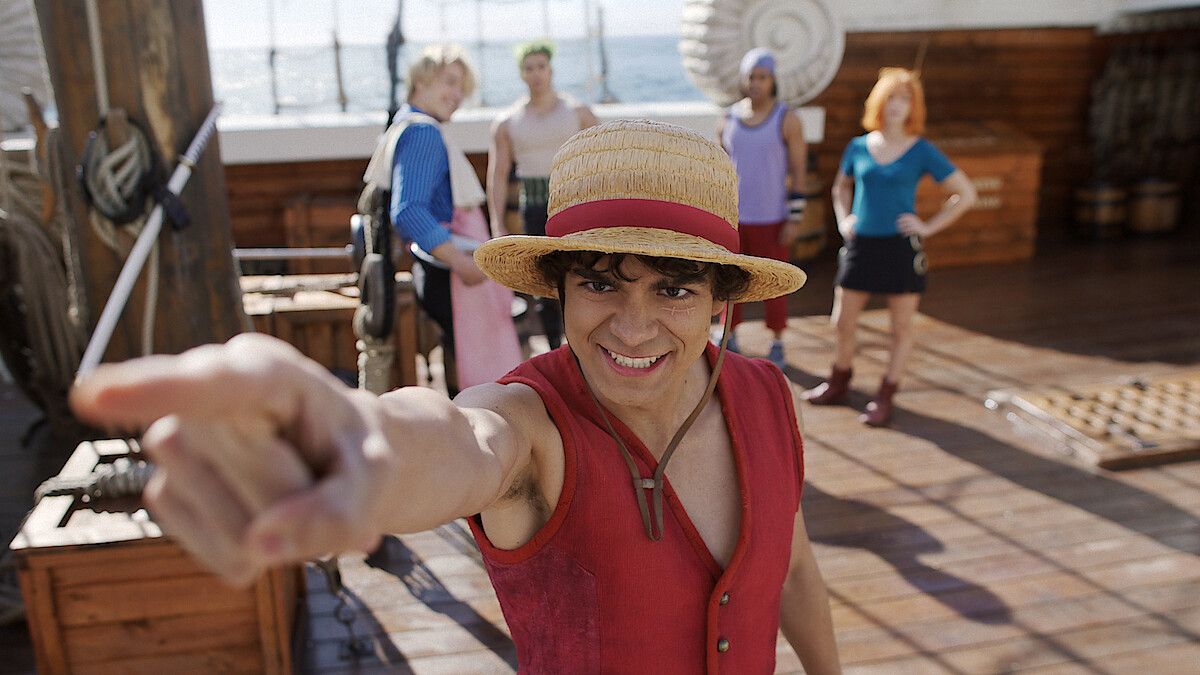
Consequently, scenes where Luffy goes full-tilt goofy either had to be toned down or completely rewritten to accommodate Iñaki Godoy's live-action performance. This results in moments where Godoy is visibly ‘acting’, screaming or contorting in ways that feel over-the-top theatrical rather than realistic or organic. It is a no-win situation. Iñaki has done a fantastic job bringing Luffy to life, but the character's inherently cartoonish nature means that any live-action portrayal will inevitably feel like a forced performance rather than a seamless transformation.
Similarly, the action sequences lack much of the imaginative flair of the source material. This is not a knock on the production team, who have done admirable work with the tools available. Rather, it is an inherent limitation of the medium. The One Piece manga and anime operate on their own unique logic, one where characters can stretch like rubber, deflate like balloons, or survive explosions that would vaporise a normal human – all played completely straight. A live-action production, no matter its budget, simply cannot replicate the boundless creativity of Oda's panels without leaning heavily on CGI, which, in a post-Marvel landscape, carries its own baggage. To their credit, the team here relies on smart prop work and clever editing more often than not, and the results are generally impressive.
A gateway, not a replacement
This live-action adaptation is not a replacement for the manga or the anime. Oda's oversight on the live-action ensures the spirit of the source material remains intact, but this is definitely not a one-to-one translation. Significant character beats and emotional moments have been trimmed for pacing, and the deliberate toning down of the series' inherent goofiness in favour of grounded storytelling will inevitably disappoint the most diehard purists.
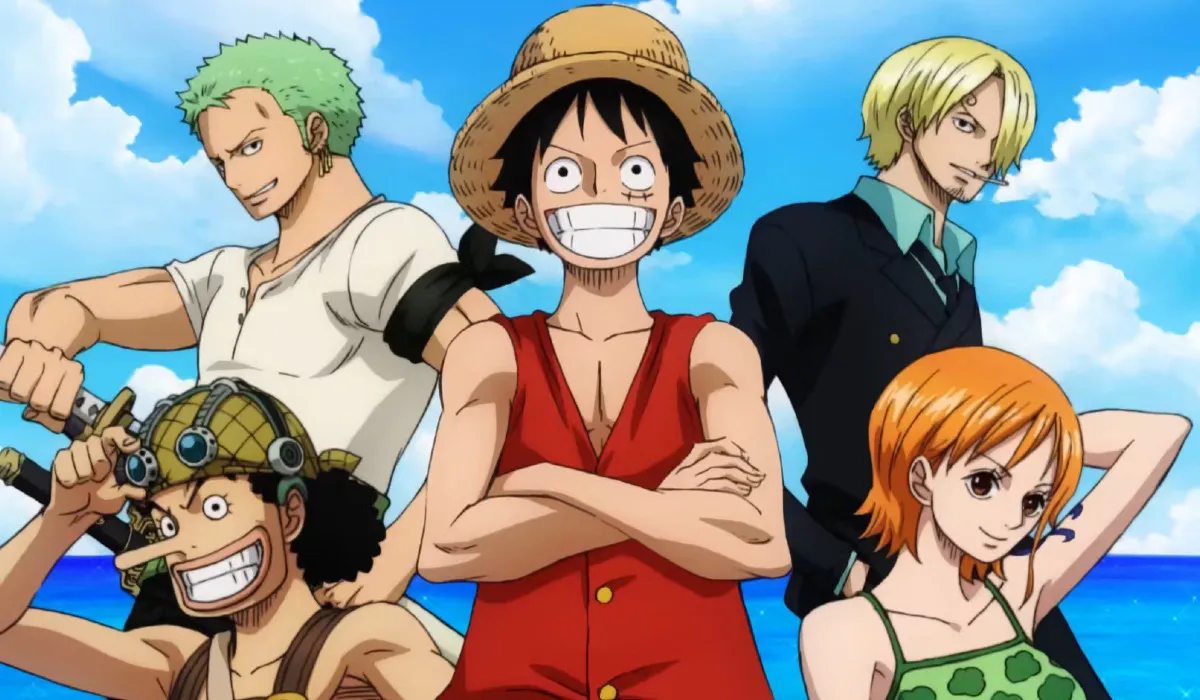
However, for everyone else, this is arguably the best gateway into One Piece that has ever existed. Given the anime's notoriously slow pacing and the manga's 1,175-plus chapters, the live-action functions as a remarkably efficient on-ramp for newcomers who have always been intimidated by the time commitment. It condenses the essential spirit of the early arcs into a digestible, high-quality package while retaining the wonder and charm that made the original a worldwide phenomenon.
Verdict: A job well done
This is an adaptation made by people who clearly love the source material, for an audience that either already loves it or is ready to fall in love for the first time. The craftsmanship on display, from the meticulously designed sets to the heartfelt performances, cements Netflix's One Piece as one of the most faithful anime-to-life adaptations ever produced.
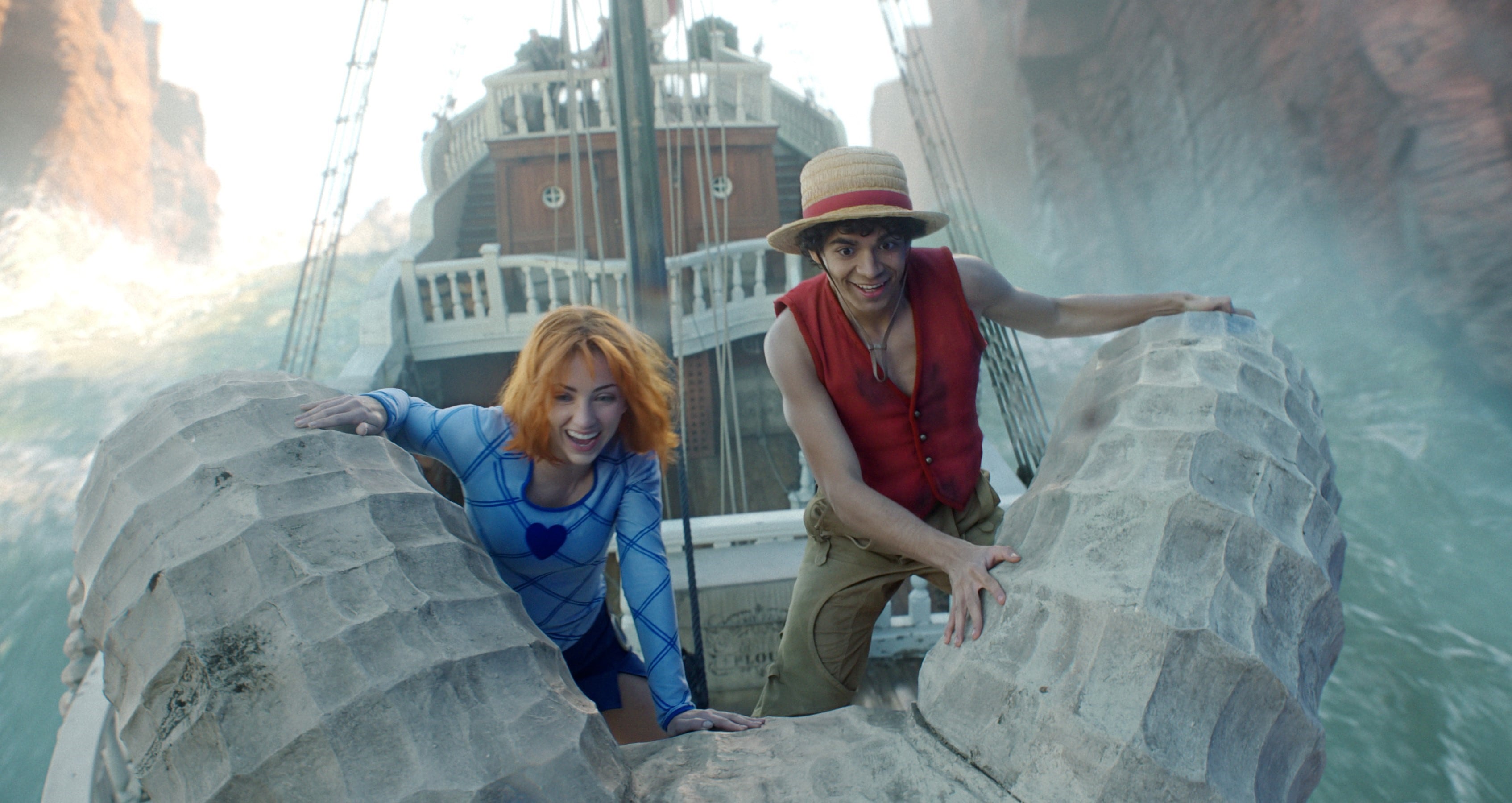
If you have never watched or read One Piece but have always been curious, I absolutely recommend the live-action as a starting point. Let it be your compass. If its particular blend of adventure, earnestness and cartoonish charm resonates with you, then the larger world of One Piece will welcome you with open arms. And for longtime fans, consider this a lovingly crafted highlight reel of the stories that made us fall in love in the first place. That, in itself, is a job well done.
 For all latest news, follow The Daily Star's Google News channel.
TV Series / The Wonderfools: Messy at first, but surprisingly worth the ride

Movies / Nolan’s reframing of The Odyssey

Movies / Backrooms is a liminal nightmare, until it isn’t
Movies / Spider-Man: Brand New Day: A timeless hero’s confrontation with isolation

Movies / Obsession and the horror of a stolen self
Video Games / Pokémon Champions: The new home of competitive Pokémon
Anime / Mobile Suit Gundam: The Origin is the perfect prologue to the epic sagas of Gundam
Movies / Return of the King of Pop in Michael
Anime / Fate/strange Fake: All flash, no grail