


Time for nation branding through smart storytelling

The national election of February 12 brought forward a new set of national leaders, garnering international attention towards Bangladesh. Used well, the spotlight can improve investor confidence, attract tourists, open markets, and strengthen our voice on climate and regional security. This is why the government should treat nation branding and soft power as a policy priority.
The country is scheduled to graduate from the LDC status on November 24, 2026—a transition that is not only economic but also reputational. As preferential trade benefits narrow and competition intensifies, something more durable than a price advantage is needed—trust of buyers, partners, tourists, students, and the global public.

Multiple international indices suggest Bangladesh’s reputation is not keeping pace with its ambitions. Brand Finance’s Global Soft Power Index described Bangladesh as a country that “punch[es] much below [its] weight,” noting a slide from rank 96 to 104 in 2025. Despite steady gains in economic brand value, Bangladesh’s soft power remains a glaring weakness. Even with a slight bump to 101st in 2026, this ranking is wholly inadequate for a rapidly emerging economy of Bangladesh’s scale.
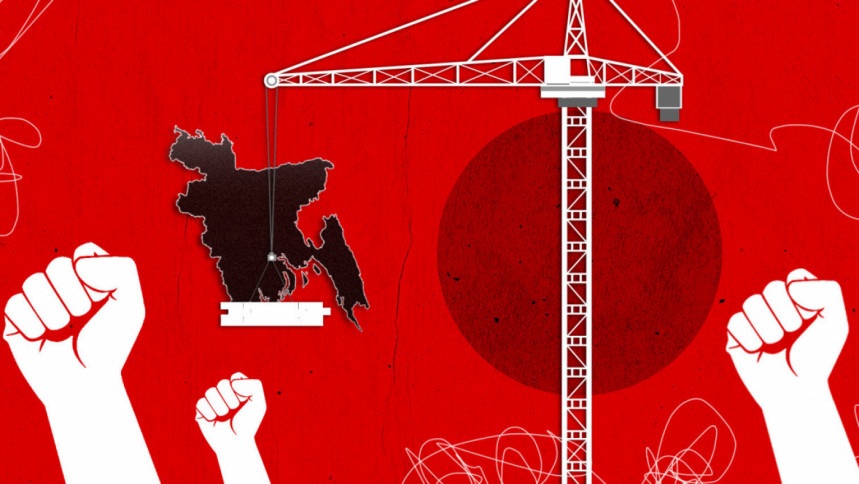
However, it would be a mistake to interpret “branding” as a marketing campaign that can simply outshout negative news. Soft power does not work like advertising. It is built through consistent behaviour (governance, stability, and standards) and only amplified through image-building communication.
For instance, Japan institutionalised “Cool Japan” through government coordination and public-private partnerships, treating culture, content, and design as strategic assets. Similarly, South Korea paired export excellence with cultural reach. “Hallyu” (K-pop, dramas, and film) is now openly recognised as a soft power engine. Brand Finance, an international brand valuation consultancy, links Korea’s global performance to culture and media influence. Qatar also proved that an English-language media platform can project national visibility globally; Al Jazeera English, launched in 2006, expanded Qatar’s presence far beyond its geography. Bangladesh should learn one thing from these models: soft power grows when policy coherence meets world-class storytelling.
Nation branding needs coordination across foreign affairs, commerce, tourism, ICT, culture, labour, and diaspora engagement. A national brand council anchored at the centre of government but involving the private sector and independent experts should publish an annual soft power dashboard: tourism receipts, foreign direct investment (FDI) sentiments, export reputation signals, diaspora engagement, international media share-of-voice, and brand index performance. What gets measured gets funded, and what gets funded gets done.
Bangladesh’s communications problem with global audiences, who mostly encounter it through foreign coverage when crisis spikes, needs to change. An English-language platform with global standards, such as news, explainers, documentaries, business programming, and cultural storytelling, is a must. A state megaphone will fail; global audiences reject propaganda. The solution is governance design: editorial independence, transparency, professional leadership, and a digitally native strategy (YouTube, OTT, social media), with partnerships for co-productions and exchanges. Bangladesh should aim for a “Bangladesh World Service” model: credible enough to be cited, interesting enough to be watched, and fast enough to compete in real time.
Tourism is one of the fastest ways to convert reputation into jobs and foreign currency because visitors become storytellers. Research on the “Beautiful Bangladesh” campaign found a measurable bleed-over effect: tourism advertising improved perceptions of Bangladesh not only as a destination, but also towards its people and government. But campaigns cannot substitute for delivery. Bangladesh needs visible progress on safety, cleanliness, service quality, transport connectivity, visitor information, and environmental protection.
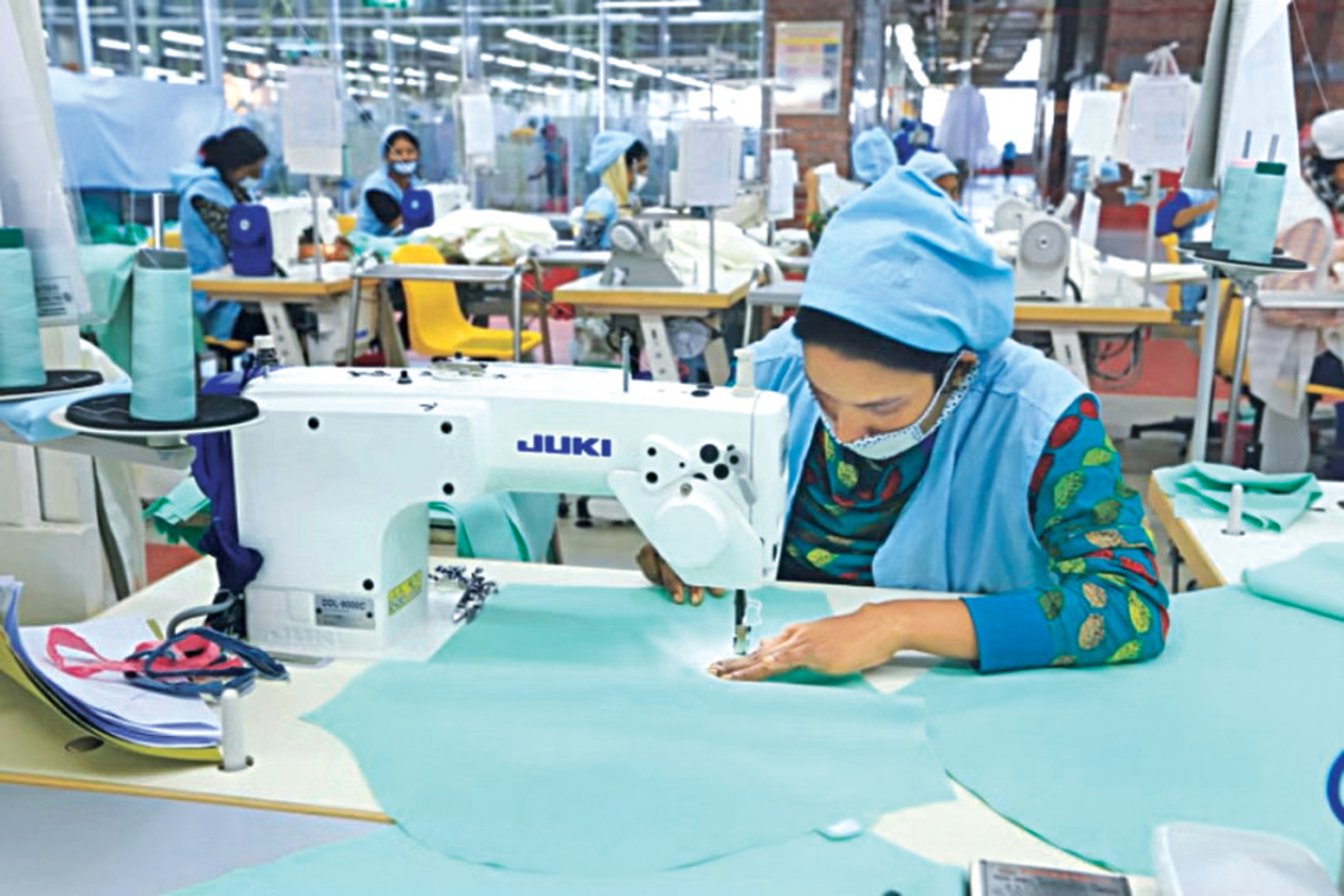
Besides, Bangladesh’s external identity, shaped by RMG and disasters, can no longer be the whole story. If the country wants to be considered a global hub for business, tourism, and IT, then the brand pillars should align accordingly. The promotion of AI innovations, electronic chips, and semiconductor industrialisation projects should take the lead in showcasing the country’s aspirations.
In climate action, Bangladesh has already established itself as a moral authority. Global leadership and the voices of marginalised communities can demonstrate our response to real climate threats and measures taken to mitigate these risks.
Soft power rises when the world can describe you in one sentence and wants to be associated with that sentence. If Bangladesh does not invest in telling its story with strategy and integrity, others will keep telling it for us, which may not always be in our favour.
Dr Aftab Hossain is associate professor, research coordinator, and head of Department of Journalism, Media and Communication at Daffodil International University.
Views expressed in this article are the author's own.
Follow The Daily Star Opinion on Facebook for the latest opinions, commentaries, and analyses by experts and professionals. To contribute your article or letter to The Daily Star Opinion, see our guidelines for submission.
 For all latest news, follow The Daily Star's Google News channel.
Comments