


The hidden epidemic of emotional abuse in marriage

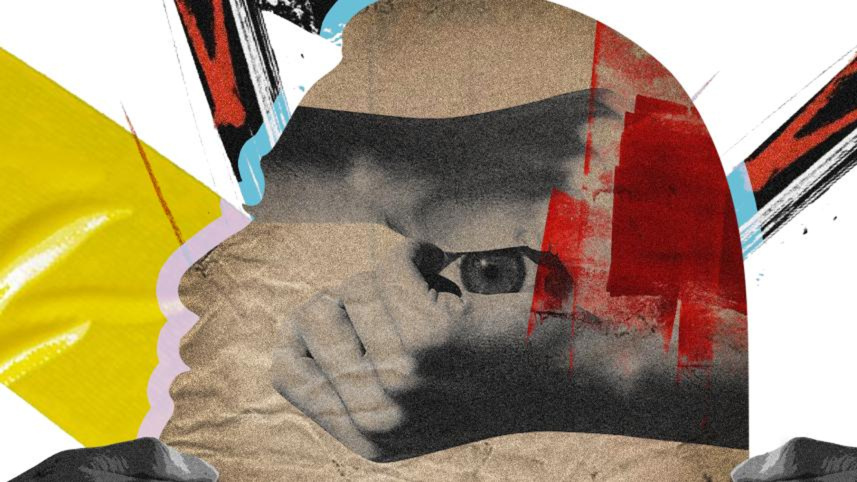
Nowadays, an increasing number of young, educated women in Bangladesh appear to be passing away in ways that leave society shocked and searching for answers. Some die by suicide, while others die under circumstances that raise troubling questions. These women are often highly educated, professionally accomplished, and seemingly empowered. Yet, their stories reveal a vulnerability that is often overlooked, not only by those around them but sometimes by themselves.
The recent death of Dr Nafisa Tabassum Dhipra brought this painful reality into public discussion. Reports and public reactions have pointed to prolonged emotional distress and alleged abuse within her marital home. Another recent case is that of Afra Ivnath Khan Ikra, a graduate from a public university, who died by suicide. According to her family and friends, she had been deeply affected by her husband’s alleged extramarital relationship and prolonged emotional neglect. Both women left behind young children and grieving parents.

Regardless of the legal outcomes or the details that ongoing investigations may reveal, the deaths of Dhipra and Ikra force us to confront an uncomfortable truth: emotional and psychological abuse can be devastating and, at times, fatal. Their stories are reminders of suffering that often remains invisible until tragedy strikes. Perhaps the most disturbing aspect is that emotional and psychological abuse still does not seem to count as “real” violence in the eyes of many because it leaves no visible bruises or injuries. Instead, the invisible wounds caused by criticism, humiliation, manipulation, threats, isolation, and attacks on a person’s confidence and dignity are often normalised rather than acknowledged. Many families dismiss it as a private matter or simply a part of married life. Sometimes, even the victim’s own family understands what is happening but encourages them to adjust, tolerate and preserve the relationship rather than prioritise their well-being.
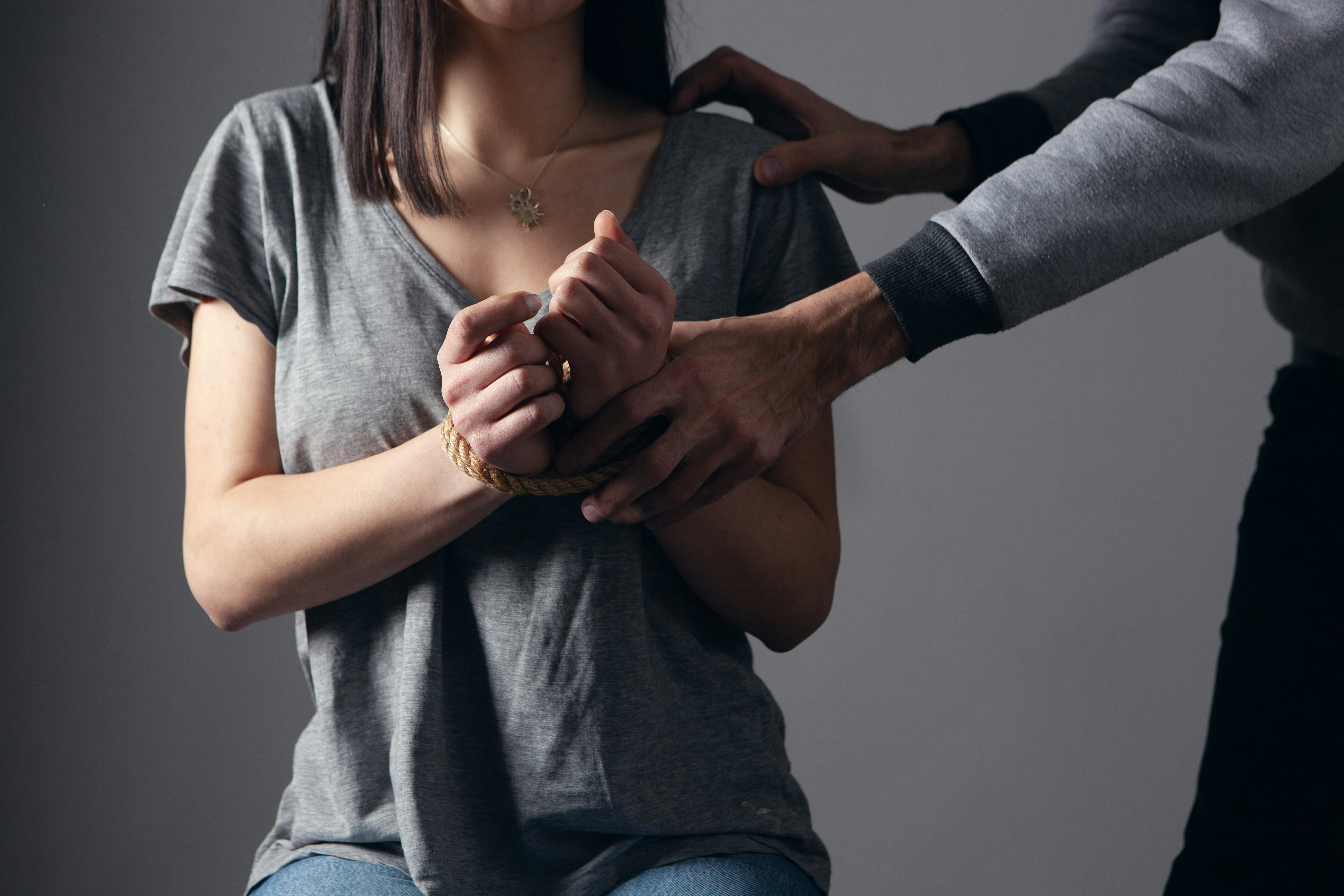
In many ways, our attitude towards emotional abuse today resembles society’s attitude towards domestic violence in the past, when physical abuse was often dismissed as a private family matter. Emotional abuse seems to occupy a similar space today. It remains largely hidden behind closed doors, often dismissed as a family matter or an individual’s inability to cope. As a result, many women continue to suffer in silence. We hear about them only when there is a heartbreaking outcome. The cases of Dhipra and Ikra are likely only a fraction of the problem. Survey conducted by the United Nations Population Fund (UNFPA) and the Bangladesh Bureau of Statistics (BBS) suggests that emotional violence affects around one in three women in Bangladesh during their lifetime, while controlling behaviour affects nearly one in two. Psychological abuse remains the most common form of intimate partner violence in the country. These findings suggest that many women endure emotional abuse every day, unable to escape because of family pressure, social stigma, concern for their children, financial worries, or simply the hope that things will eventually improve.
For some women, particularly those who have chosen their partners through a romantic relationship rather than a family-arranged marriage, the situation can be even more isolating. Having made their own choice, they may feel reluctant to admit that the relationship is failing or has become abusive. Fear of being judged, criticised or blamed can prevent them from seeking support. Instead, they feel compelled to maintain the image of a happy and successful marriage while privately carrying the burden of emotional distress. It seems that education, professional identity, and social status don’t necessarily protect women from emotional abuse. In some circumstances, these very achievements may make them more vulnerable. In many cases, a financially independent and professionally accomplished woman who married by choice is treated with far less respect than another woman who married through a traditional arrangement in the same family. The message, though rarely spoken aloud, seemed unmistakable: you were not chosen by us; therefore, you do not fully belong with us.
Such dynamics can create a subtle but persistent form of emotional punishment. Of course, this is not true of all in-laws. Family relationships are complex, and many families warmly embrace accomplished and independent women. However, some women’s experiences point to a more uncomfortable reality: respecting a woman’s achievements is not the same as respecting the woman herself. Perhaps this is one of the hidden vulnerabilities of educated women that we rarely discuss. The stories of Dhipra and Ikra remind us that achievement alone cannot protect women.
Until emotional and psychological abuse is acknowledged as a form of violence, many women with bright futures will continue to suffer quietly behind closed doors. Most will never appear in newspaper headlines. Ending violence begins with preventing it. Therefore, greater attention must be given to identifying and preventing emotional and psychological abuse. In this regard, family education is particularly important. When abuse occurs, perpetrators must be brought to justice, which is also important in sending a clear message that emotional and psychological abuse is a form of violence and must not be ignored.
Women like Dhipra and Ikra should not be remembered only for how they died. Their stories should compel us to ask difficult questions, challenge harmful attitudes, and do more to protect those who may be suffering in silence.
Dr Sina Akand is a London-based sociologist and development consultant. She can be reached at sinaaknd@gmail.com.
Views expressed in this article are the author's own.
Follow The Daily Star Opinion on Facebook for the latest opinions, commentaries, and analyses by experts and professionals. To contribute your article or letter to The Daily Star Opinion, see our guidelines for submission.
 For all latest news, follow The Daily Star's Google News channel.
Comments