


How energy insecurity and climate vulnerability converge in Bangladesh

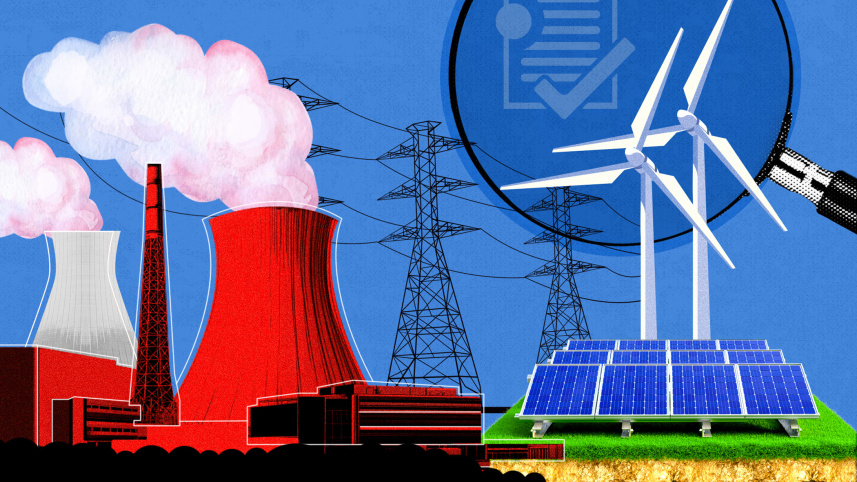
Conversations around energy transitions are typically focused on swift transitions, with solar panels appearing overnight on rooftops, wind farms sprouting across landscapes like mushrooms after rain. The reality, particularly for developing nations navigating complex economic pressures, tells a different story.
And for Bangladesh, a country that simultaneously grapples with climate vulnerability and economic transition, clean energy isn’t just an environmental aspiration, but a necessity that could redefine the industrial future.

Picture this: nearly 666 million people globally still live without reliable electricity, with over 85 percent concentrated in Sub-Saharan Africa. And while the entire population in Bangladesh is said to have access to the grid, “access” is not the same as reliability. Frequent power cuts and a heavy reliance on expensive, imported fuels make the system fragile.
While the lights are mostly on, heating energy is where the real crisis resides. Less than 30 percent of Bangladeshi households have access to clean cooking fuels like gas or electricity. Most still rely on wood or crop waste, creating indoor smoke that is a leading cause of early death in the country. This “energy poverty” isn’t just an inconvenience, but a significant health hazard to a substantial portion of the population.
However, Bangladesh suffers not only from a lack of energy access, but is also one of the world’s most climate-vulnerable nations. According to the World Bank, tropical cyclones already cost the country about $1 billion every year. If sea levels rise by just 27 cm by 2050 (which is a very real possibility), the southern coast could lose nearly 18 percent of its farmland, plunging the country into a severe food crisis.
Every new coal or gas plant built today adds to this risk of exacerbating climate change. The irony is that Bangladesh produces very little of the world’s pollution, yet it pays one of the highest prices.
Transitioning to clean energy isn’t just about “being green,” but also about stopping the cycle of damage that drains billions from the economy. Bangladesh’s economy relies heavily on exports, with around 85 percent of its export earnings coming from the readymade garment industry. To grow further into leather, jute, and food processing, the country needs massive amounts of energy. Modern manufacturing is energy-intensive. The RMG sector requires reliable, affordable electricity for every stage of production, from spinning yarn to running sewing machines to powering climate-controlled warehouses. Leather processing demands substantial energy for tanning and finishing. Food processing and cold chain logistics are energy voracious. If Bangladesh hopes to expand and diversify its industrial base, it must solve the energy equation.
Currently, the country is stuck in an “import trap.” About 65 percent of the country’s power depends on imported fossil fuels like liquefied natural gas (LNG) and coal. In 2025 alone, the cost of importing LNG jumped to nearly $3.9 billion. So, when global fuel prices spike because of wars or supply chains, Bangladeshi factories suffer.
Clean energy offers an alternative pathway. By using sunlight and renewable resources, Bangladesh can harness energy domestically, reducing import dependence and price volatility.
Consider the RMG sector specifically. Factories powered by rooftop solar installations coupled with energy-efficient machinery don’t just reduce carbon footprints, they lower operating costs and enhance competitiveness in international markets where there is an increasing demand for sustainable production. European and US buyers are implementing stringent environmental standards and factories powered by clean energy gain market access advantages.
Yet, the painful reality is that Bangladesh needs this transition at a time when it can least afford it financially.
The numbers paint a sobering picture. The country has already allocated $15.7 billion for interest payments alone in fiscal year 2024-25, nearly one-fifth of the total budget. As Bangladesh graduates from Least Developed Country (LDC) status, it faces higher borrowing costs as well as reduced access to concessional financing. Tax revenues remain constrained by a narrow tax base. Development financing is becoming increasingly scarce as global crises, such as wars, pandemics, and other emergencies, dominate international attention and resources.
Climate adaptation and mitigation programmes require substantial funding through bilateral and multilateral sources. But the current geopolitical landscape doesn’t prioritise climate action when conflicts rage and economic uncertainties loom. This makes financing for clean energy much harder to find.
To make the jump to clean energy, Bangladesh needs to frame these projects not as “costs,” but as “investments.” Every dollar spent on a solar farm today is a dollar not spent on expensive foreign oil tomorrow.
Renewable energy projects create construction and operations jobs. Reduced fuel imports improve trade balances. Lower energy costs enhance industrial competitiveness. Energy access in rural areas unlocks economic opportunities previously constrained by darkness.
Renewable sources are abundant, emit minimal greenhouse gases, and offer energy sovereignty. To stay stable, Bangladesh must move away from fossil fuels. Bangladesh has a goal: to have 40 percent renewable energy in its energy mix by 2041.
The International Day of Clean Energy, observed on January 26 is also the founding date of the International Renewable Energy Agency, and it serves as more than ceremonial recognition. It’s a call to action for just and inclusive energy transitions that benefit both people and planet.
For Bangladesh, this day should prompt reflection on uncomfortable truths. Economic stability cannot be built on unstable energy foundations. Industrial diversification cannot succeed without reliable, affordable power. Climate adaptation cannot happen while simultaneously expanding the fossil fuel infrastructure that accelerates climate catastrophe.
Progress is taking place. Renewable energy capacity in developing countries has grown from 155 watts per capita in 2015 to 341 watts less than a decade later. But Bangladesh, along with the global community, remains off-track in terms of achieving Sustainable Development Goal 7, which calls for universal access to affordable, reliable, sustainable, and modern energy by 2030.
Of course, change takes time. The export diversification Bangladesh is seeking won’t be achieved overnight. The clean energy transition requires patient, sustained policy interventions and investments. But the foundation must be laid now, even amid fiscal constraints and global uncertainties.
 For all latest news, follow The Daily Star's Google News channel.
 The incoming government faces a momentous choice: continue down a path of energy vulnerability and climate risk or embrace clean energy as the cornerstone of economic stability, industrial competitiveness, and climate resilience. The former threatens continued instability. The latter offers a fighting chance at a sustainable future.
For a nation that has survived cyclones, floods, and countless other challenges through resilience and ingenuity, the clean energy transition represents not a burden but an opportunity. An opportunity to power industries with the sun, to build stability on renewable foundations, and to demonstrate that climate vulnerability can catalyse climate leadership.
The question isn’t whether Bangladesh can afford this transition, but whether it can afford not to pursue it.
Raida A. K. Reza is doctoral researcher at United Nations University’s Institute for Integrated Management of Material Fluxes and of Resources (UNU-FLORES), Leibniz Institute of Ecological Urban and Regional Development (IOER), and Technische Universität Dresden.
Views expressed in this article are the author's own.
Follow The Daily Star Opinion on Facebook for the latest opinions, commentaries, and analyses by experts and professionals. To contribute your article or letter to The Daily Star Opinion, see our guidelines for submission.
Comments