


We need a better strategy to weather the fallout of US-Iran war
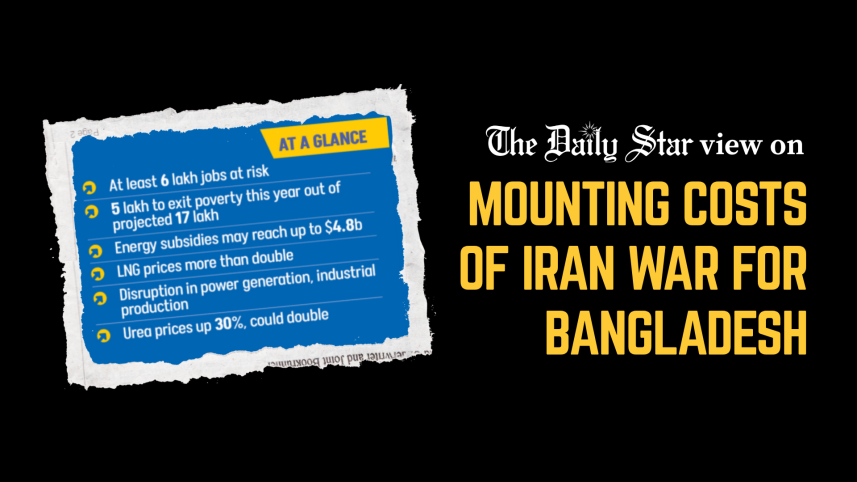
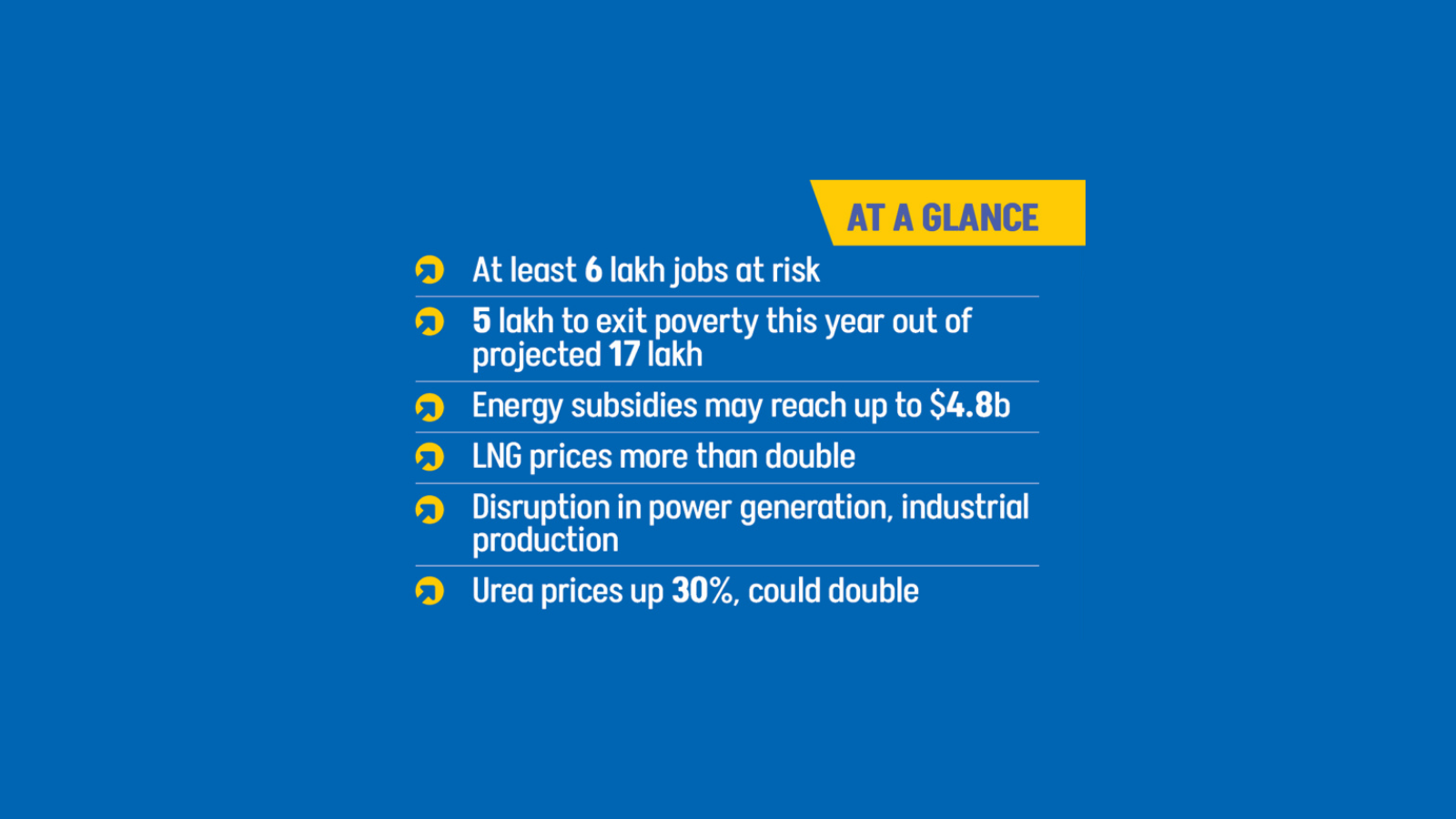
The war in the Middle East has worsened an already challenging situation in Bangladesh. Even before this war, the country was reeling under high inflation, a lack of jobs, and growing poverty. The war has led to compounding energy crisis, painful job cuts, higher prices, and even more people being pushed to poverty. A mid-June World Bank assessment gives greater credence to the mounting risks, amplifying existing vulnerabilities. Reportedly, in 2025, the number of poor people increased by an estimated 14 lakh; the outlook for 2026 is even more worrying. Before the Middle East conflict, around 17 lakh people were expected to move out of poverty this year. The World Bank now projects that only five lakh will do so, while nearly six lakh jobs could be lost. Rising prices alone could account for around 10 percent of the rise in poverty.
The energy crisis caused by the conflict is having a huge impact on power generation, domestic fertiliser production, and industrial activity. With a fall in domestic production, Bangladesh is relying more on imported fertilisers, which again contributes to higher food prices. The World Bank estimates that the subsidy burden could rise to anywhere from $2.5 to $4.8 billion, which may lead to cuts in health, education, and social protection spending. Moreover, Bangladesh’s migrant workers in the Gulf have been made extraordinarily vulnerable. While 75 percent of Bangladesh’s overseas employment over the last decade has been in the Middle East, the war has led to cancelled flights, workers not being able to return to their jobs, lower recruitment by Gulf employers, and growing uncertainty about jobs until the end of the war. Future remittances could also be adversely affected.

The war has burdened the Bangladesh government with multiple interconnected challenges and it must therefore prioritise its strategies by protecting labour-intensive industries, reviving private investment, and strengthening the banking sector. It must also expand targeted social protection during this crisis by improving women’s access to employment, creating jobs beyond the major cities, investing in technical and vocational upskilling, and providing support for returning migrants. Bangladesh, moreover, must reduce its over dependence on the Middle Eastern labour market. Diversification of overseas employment is essential. This requires developing the skills of workers so they can compete for jobs in markets in Japan, South Korea, East and Southeast Asia, New Zealand, and Eastern Europe.
The central point of all the crises is energy. Bangladesh must strengthen this sector by reducing its dependence on foreign sources and focusing on domestic gas exploration and promotion of renewables. Bangladesh depends heavily on imported fuel, particularly LNG. Gas accounts for more than half of primary energy supply, while domestic production has declined significantly.
In the short term, Bangladesh does not have too many avenues. But its future resilience to such consequential economic shocks must be built through careful planning and political will. This includes greater energy self-sufficiency, creation of jobs, upskilling migrant labour, and expansion of social safety net programmes to bring people out of poverty.
 For all latest news, follow The Daily Star's Google News channel.
Comments