


Share the fuel-cost burden fairly
The latest fuel price hike, which the government has described as a last resort, raises serious questions about its economic prudence. Market observers say domestic fuel prices have reached a historic high following the latest increase, even as international market prices have begun to ease. The government had earlier resisted raising domestic prices sufficiently to keep pace with the surge in global prices, thereby allowing a substantial burden to accumulate. It now argues that the latest adjustment is unavoidable. This raises questions about why the government did not consistently follow through on the policy introduced in 2024—known as the automatic fuel price adjustment mechanism—recommended by the IMF to adjust domestic retail prices monthly in line with international market trends.
Moreover, the latest price increase follows the recent pay hike for civil servants, which has already fuelled fears of further inflation. Any prospect of keeping essential goods prices under control is likely to be undermined by the higher transportation and production costs resulting from the fuel price increase. This will also place a heavy burden on farmers, as the upcoming Boro cultivation—highly dependent on irrigation—is particularly vulnerable to higher diesel prices.

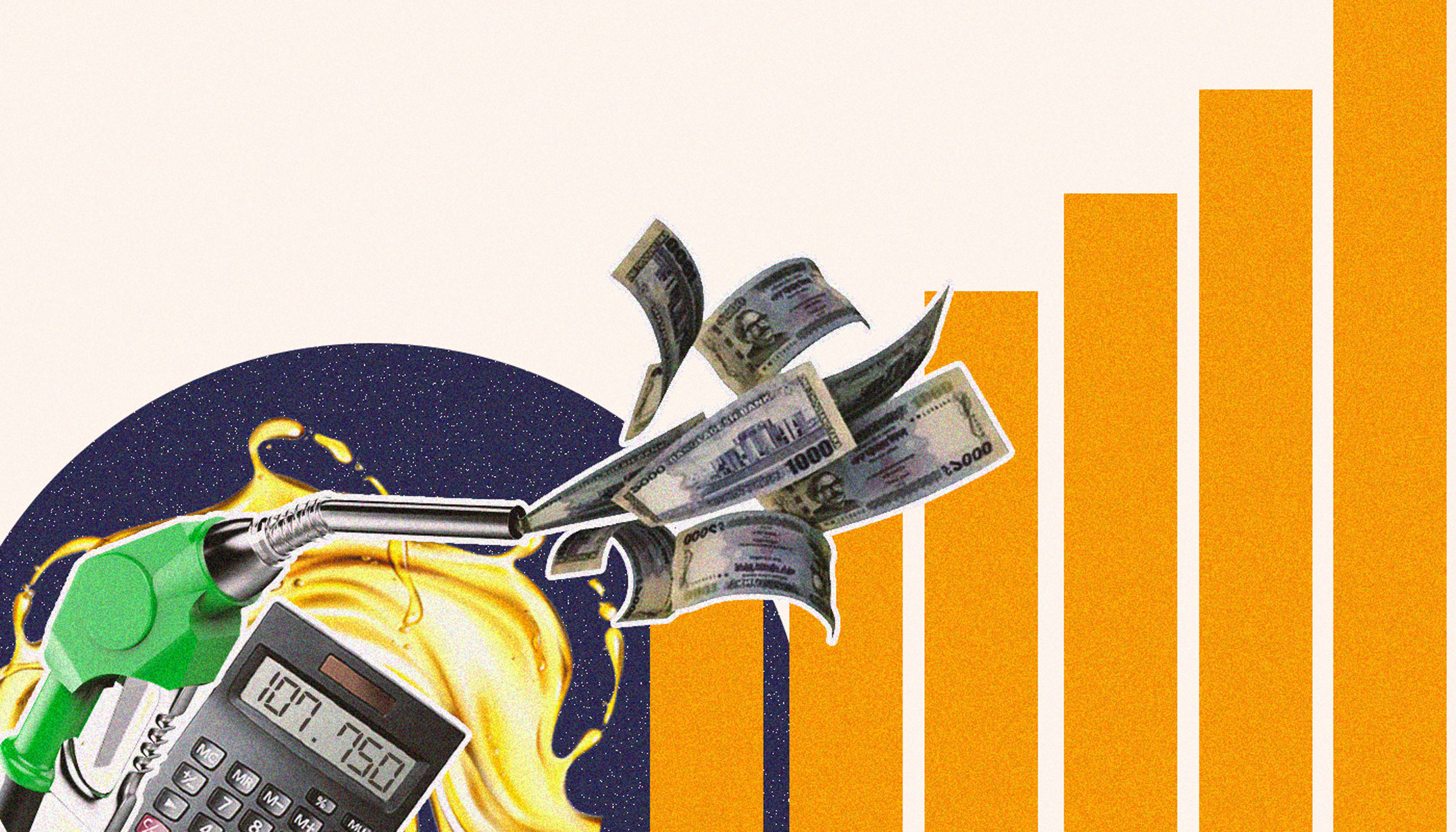
Besides, the government derives substantial revenue from duties and taxes on fuel, meaning the current hike will generate higher revenue receipts. This raises a fundamental question: when the government has already taken on an additional financial burden of Tk 1 lakh crore by awarding civil servants a pay hike, how can it justify imposing further costs on ordinary citizens?
The argument that the state-owned Bangladesh Petroleum Corporation (BPC) has accumulated losses of Tk 22,875 crore does not, by itself, justify imposing additional costs on the public. Some economists argue that rather than passing the higher cost of fuel imports to consumers through across-the-board price increases, the government could have reduced or withdrawn duties on fuel. Undoubtedly, the current economic challenges arising from a prolonged and unjust US-Israel war on Iran are beyond the control of any single country, including Bangladesh. But the resulting pain and hardship should be shared across society with equity, rationality and due proportionality.

We, therefore, call upon the government to restore the automatic fuel-price adjustment mechanism and align domestic prices more systematically with global market movements. It should take strong measures to prevent arbitrary increases in transport fares and strengthen market monitoring to contain inflationary pressures. It should also consider providing targeted subsidies on diesel used for irrigation to protect farmers, who are already reeling under a fertiliser crisis and a broader rise in agricultural input costs. At the same time, austerity measures should be strictly enforced across all areas of state expenditure, including tighter controls on fuel consumption by government vehicles, particularly large, fuel-intensive vehicles used by officials for comfort and convenience. The burden of adjustment should not fall disproportionately on ordinary citizens while the state continues to bear avoidable expenditures elsewhere.
 For all latest news, follow The Daily Star's Google News channel.
Comments