


EU-India deal calls for proactive action
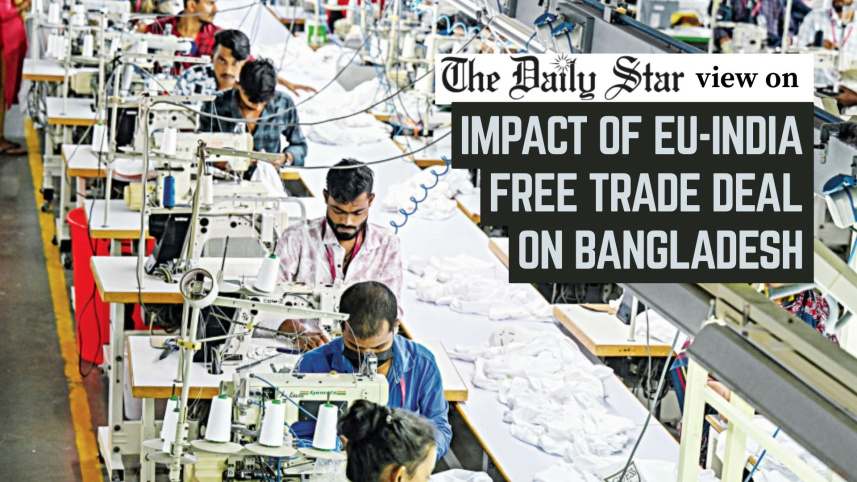
With the European Union and India signing a new free trade agreement (FTA), Bangladesh’s readymade garments (RMG) exports post-LDC graduation appear increasingly vulnerable. Once the EU-India deal comes into effect in 2027, Indian apparel will start enjoying zero percent tariffs in the EU market, down from the current 9-12 percent. In other words, Bangladesh’s competitive edge of duty-free access for garment products to Europe is set to disappear.
Currently, Bangladesh enjoys LDC preferential treatment in the EU, paying zero tariffs on its garment exports. Leveraging this benefit, Bangladesh has been able to expand its share in the EU’s apparel market, its top destination for RMG exports. Garment exports to the EU accounted for 50.10 percent of the country’s total apparel shipments in FY 2024-2025, followed by 19.18 percent to the US. However, this advantage will not last. After its LDC graduation in November this year, Bangladeshi apparel can retain duty-free access to the EU market only for three more years. Unless a successor trade arrangement is secured, it may face tariffs as high as 12 percent. In such a scenario, RMG exports may fall by around 16 percent, according to experts.

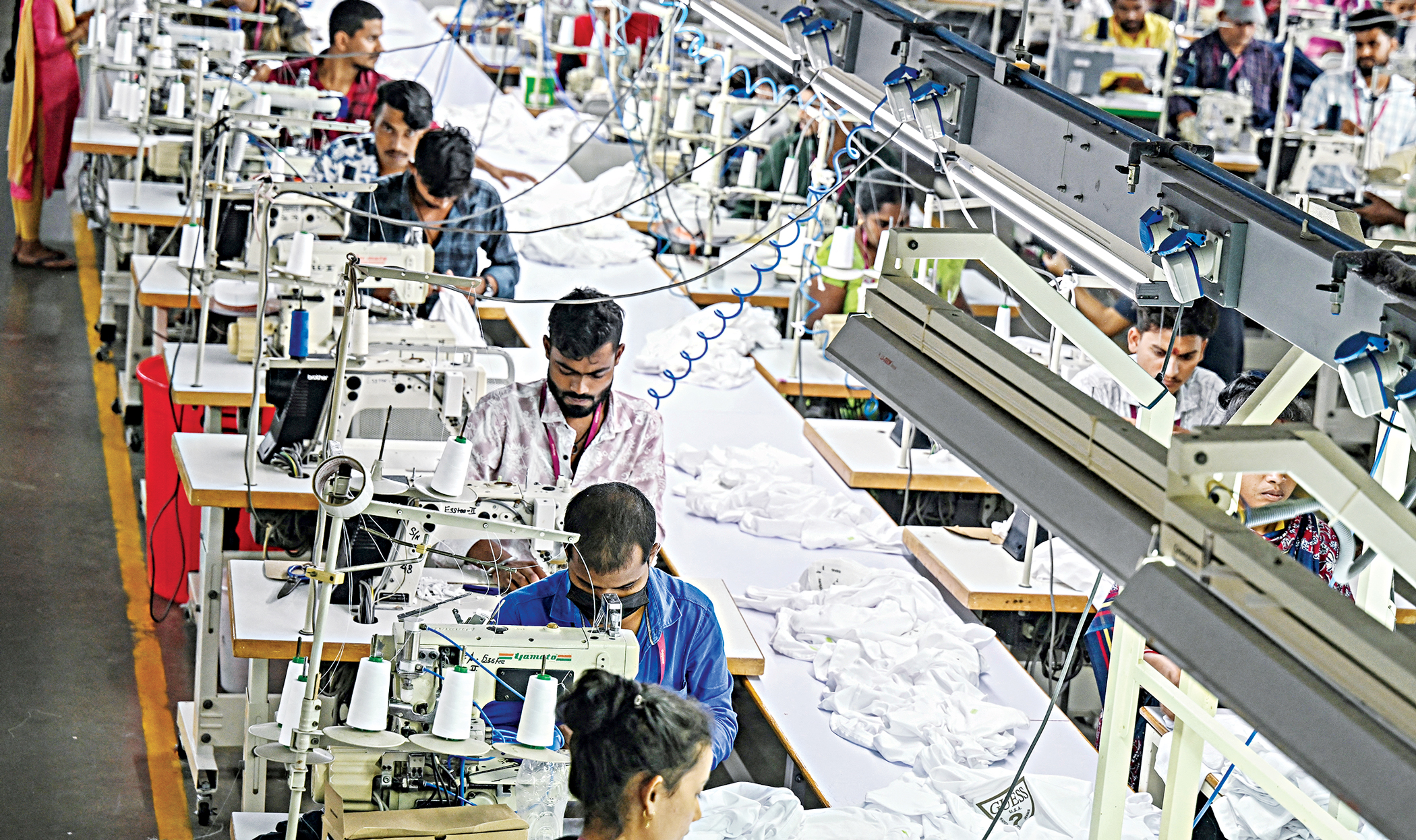
Moreover, the European market has already become a battleground for exporters following the US’s reciprocal tariff imposition, which has given EU buyers greater negotiating power in terms of pricing and lead-time expectations. India’s strength in raw cotton and backward linkages also provides it with a competitive advantage over Bangladesh.
Given the situation, Bangladesh has few options but to aggressively pursue bilateral free trade agreements or secure the EU’s Generalised Scheme of Preferences Plus (GSP+) status after LDC graduation. Bangladesh’s relatively high dependence on imported fabric could also make it difficult to meet the EU’s strict rules of origin requirements for apparel (for example, knitting/weaving and cutting/sewing occurring in the same country) post-graduation. Therefore, both active engagement with EU countries to relax those rules and a simultaneous reduction in import dependence should be a priority. The upcoming government in Bangladesh should also prioritise policies that help businesses diversify into higher-end products and explore new markets. Other areas requiring government support include reliable and low-cost energy, efficient logistics and ports, access to finance, and the development of a skilled workforce.
Graduation from LDC status is not going to affect only the RMG industry; leaders from several other sectors also expressed their concerns about this on Tuesday at a roundtable in the capital. While the interim government has not sought to defer graduation, political parties should make their stance on the issue clear ahead of the 13th parliamentary election. Though deferment has its challenges, the post-graduation scenario for Bangladesh, which does not yet seem ready for such a transition, also appears far from promising. Political parties aiming to form the next government must outline clear strategies to navigate these challenges. A bumpier road lies ahead for Bangladesh’s economy, and businesses need to understand how the future government plans to steer through it.
 For all latest news, follow The Daily Star's Google News channel.
Comments