


Who was El Mencho? How one man’s death led to US and Canada issuing travel warnings

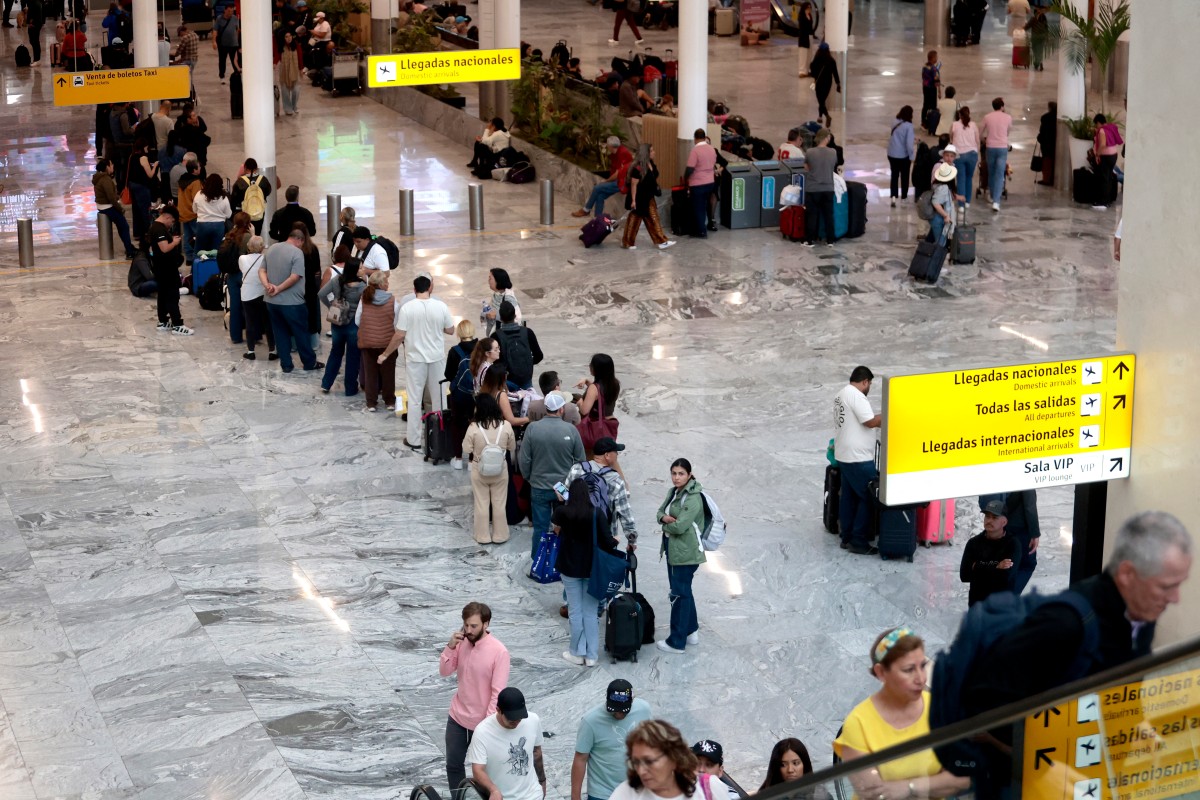
Mexico has slipped into violence. US and Canada have issued urgent warnings to its citizens about travelling to the country, airlines have cancelled flights.
All of it, cascading in terrifying synchrony, because one man was killed in a military raid: Nemesio Rubén Oseguera Cervantes, known to the world as "El Mencho".

Within hours of his killing, his cartel unleashed retaliation across multiple states, turning cities into battlegrounds, reports Reuters.
Gunmen loyal to his Jalisco New Generation Cartel (CJNG) unleashed coordinated violence across multiple Mexican states, demonstrating the terrifying reach of an organisation that had grown under his command into a transnational criminal empire.
Retaliation is the response
To understand the chaos unleashed by his killing, one must understand what cartels truly are. They are not gangs in the conventional sense. They are paramilitary states.
The violence following El Mencho’s death is a ritual display of power.
Under El Mencho, CJNG evolved into an organisation with military-grade weaponry, intelligence networks and territorial control. It operated in dozens of Mexican states, enforcing its authority through brutality, fear and strategic violence.
CJNG’s influence extends far beyond Mexico. It traffics drugs into the United States, fuelling the fentanyl crisis that has reshaped American public health and politics.
According to The Guardian, CJNG’s networks stretch into Europe, Africa and Asia -- forming part of a global criminal ecosystem linking producers, transporters and distributors.
The making of El Mencho
El Mencho was born on July 17, 1966 in Aguililla, Michoacán.
Like many cartel leaders, he began at the margins of crime before moving into the violent economy of narcotics trafficking.
His ascent accelerated in the early 2000s when he emerged as a key operator in Mexico’s criminal underworld.
Eventually, he founded and led the Jalisco New Generation Cartel, transforming it into one of the most powerful criminal organisations in Mexico.
Under his command, CJNG expanded rapidly, establishing presence across Mexico and building global trafficking routes into the United States, Europe, and beyond.
He became, in essence, not merely a crime boss but a corporate executive of violence. His organisation moved fentanyl, cocaine and methamphetamine through sophisticated supply chains spanning continents.
Cartels have existed in a permanent state of conflict with the Mexican government.
 For all latest news, follow The Daily Star's Google News channel.
 The state deploys military force. Cartels retaliate -- assassinating police, politicians and journalists, civilians are caught in between.
El Mencho mastered that. His cartel fought rivals, attacked security forces and resisted government capture attempts for years.
He survived assassination attempts, raids and internal betrayals.
He was elusive, mythical, untouchable. Until one day, he was not.
El Mencho was killed on February 22 after Mexican military forces, assisted by US intelligence, stormed his stronghold in Tapalpa, Jalisco. The operation involved elite troops and targeted one of the most wanted men in the world. He succumbed to wounds sustained during the raid.
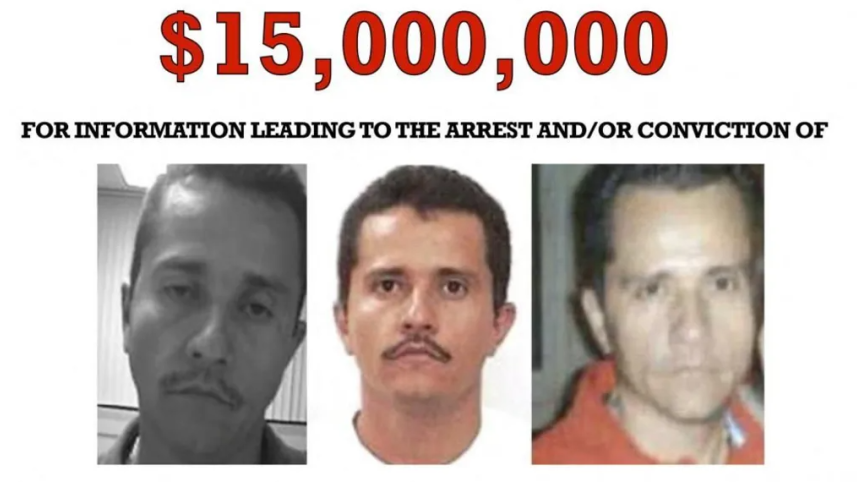
The United States had placed a $15 million bounty on his head. He was considered one of the most powerful and ruthless traffickers alive, the boss of a cartel whose influence rivalled, and in some regions eclipsed, the infamous Sinaloa Cartel of El Chapo.
Killing is not the conclusion
El Mencho rose from rural obscurity to command a criminal empire spanning continents.
His killing reveals the paradox at the heart of the drug wars: removing a king does not dismantle the kingdom, specially an ever expanding one.
And somewhere, already, someone waits to claim it.
Comments